By Babak Baniasadi, Vision Times contributor
In a world dominated by fast fashion and overt branding, quiet luxury has emerged as a refreshing counter-trend. At its core, quiet luxury represents understated elegance — high-quality craftsmanship, timeless designs, and a rejection of conspicuous logos. This shift has sparked a meaningful conversation about style, individuality, and what it means to invest in fashion.
The Influence of Logo-Driven Fashion
Logos have long been a tool for brands to transform clothing into status symbols. In themselves, logos are not inherently problematic; they can serve as markers of quality, craftsmanship, or personal preference. The issue arises with the overuse and over-reliance on branding, which pushes logos to an extreme.
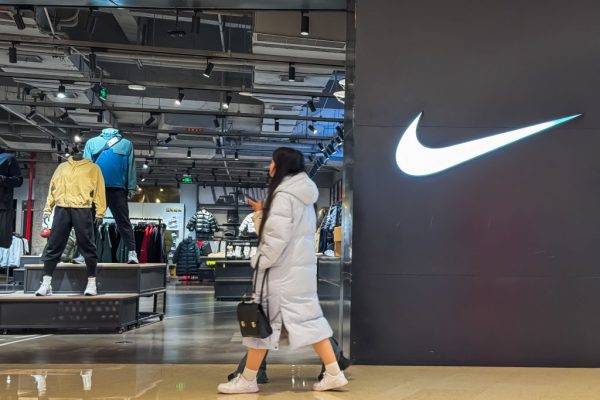
This reliance has eroded individuality, with consumers often relying on brands to dictate their identity instead of expressing personal style. Quiet luxury challenges this, shifting the focus back to craftsmanship and design rather than branding.
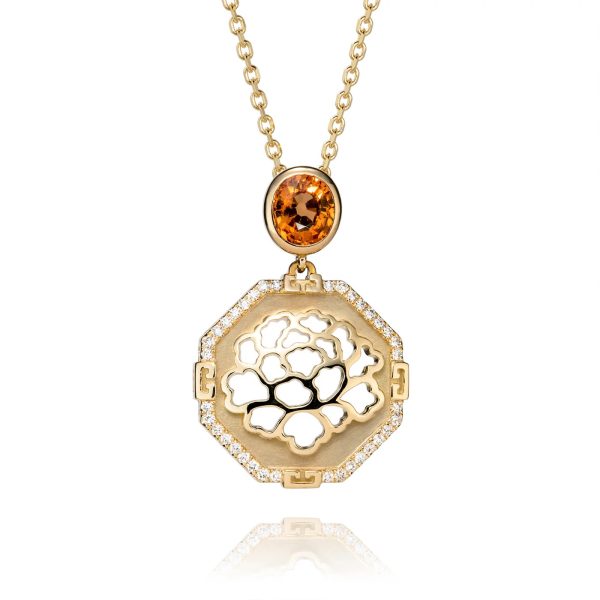
RELATED: The Tang Elegance Necklace (18kt Yellow Gold) by Shen Yun Collections
Quiet Luxury: Rooted in Tradition
Success
You are now signed up for our newsletter
Success
Check your email to complete sign up
Quiet luxury is not a new concept; it harks back to a time when clothing was made by skilled craftspeople who took pride in their work. Before the era of mass production, garments were created locally, with an emphasis on quality and durability. My father, a true fashion enthusiast, owned a pair of Italian shoes from the 1970s that lasted over 40 years.

Their timeless design and impeccable craftsmanship meant they stood the test of time, both in durability and style. This is the essence of quiet luxury — a commitment to excellence that transcends fleeting trends.
RELATED: The Most Beautiful Handbag of 2024: Shen Yun Collections Ombre Bag
The Environmental Impact of Mass Production
The rise of mass production in the fashion industry has significantly degraded quality and caused widespread environmental damage. Short-lived trends and the proliferation of disposable clothing have led to immense waste, depletion of natural resources, and severe pollution. In contrast, quiet luxury prioritizes garments designed to last for years, reducing the cycle of constant replacement and minimizing waste.
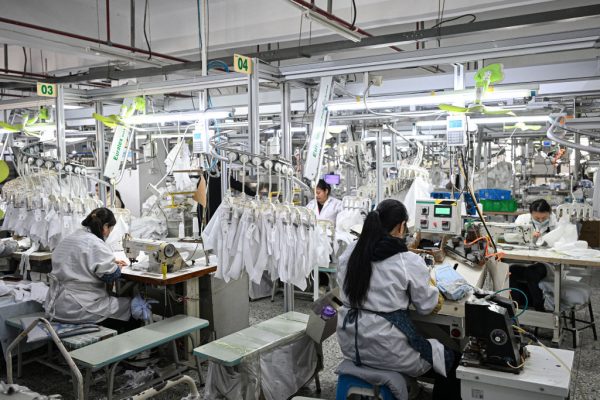
By choosing well-made, durable clothing, consumers can help mitigate the environmental toll of the fashion industry and embrace a more thoughtful approach to consumption.
In earlier times, local production methods further minimized environmental impact. High-quality, locally made clothing avoided the excessive waste and carbon emissions associated with modern global supply chains. This approach also fostered sustainable economic practices, keeping money within communities and supporting skilled artisans.
It also created industries where young people with an interest in these crafts could learn, grow, and build fulfilling careers — opportunities that have largely been sidelined in today’s fast fashion economy.
The Pitfalls of Quiet Luxury
Despite its appeal, quiet luxury is not without its challenges. Established luxury brands have recognized the marketability of this trend and have begun inflating prices under the guise of exclusivity. While quality often justifies a higher price point, some brands exploit the concept, charging exorbitant amounts simply because they can.
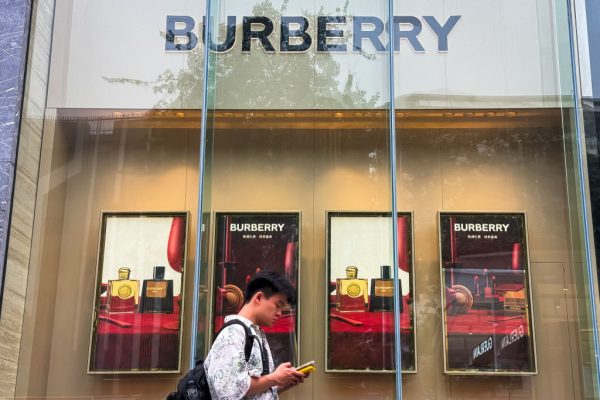
Another pitfall lies in imitation. Unscrupulous brands may mimic the timeless style and high prices associated with quiet luxury but fail to deliver the necessary quality. This creates a deceptive market where consumers may pay a premium for products that lack the craftsmanship and durability defining quiet luxury. Today’s consumers, many of whom lack the knowledge to assess garment quality, are particularly vulnerable.
In the past, people like my grandmother, with her sharp eye and deep understanding of craftsmanship, could discern quality at a glance. That level of knowledge has largely been lost, making it easier for brands to deceive.
The Lip Service to Sustainability
The fashion industry often markets sustainability as a key selling point, and while some commendable measures have been taken, the rhetoric often lacks substance. Many brands promote eco-friendly practices but fail to address the root causes of environmental harm — mass production and overconsumption.
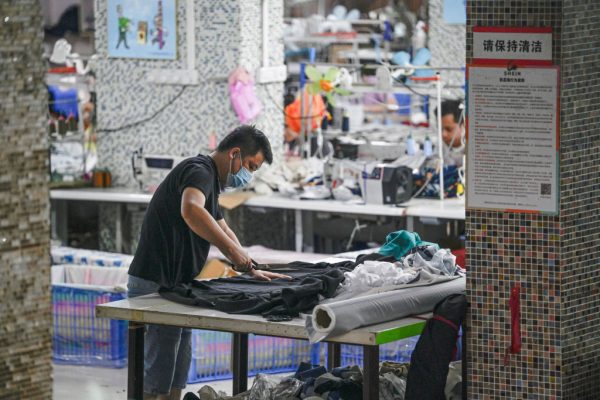
This business model thrives on producing vast quantities of clothing, often relying on countries like China, where environmental regulations are minimal or nonexistent. Factories in these regions frequently use toxic materials and heavily pollute the environment, exacerbating the problem.
Temporary trends and the constant demand for new collections further undermine the principles of sustainability, making it more of a marketing strategy than a genuine commitment. While brands may speak about sustainability, their reliance on mass production prioritizes profits over meaningful change.
Trends and Their Hidden Costs
The fashion industry often leverages trends — temporary styles tied to nostalgic eras such as Y2K or 1970s fashion — to drive consumer behavior. These trends encourage frequent wardrobe updates, prioritizing profit over genuine innovation. By creating a cycle of constant replacement and waste, the industry fosters overconsumption and diminishes individuality.

These trends capitalize on convenience, profit motives, and the desire to belong, perpetuating a system where mass production dominates. As a result, personal style and individuality take a backseat to conformity and fleeting fashion fads.
Quiet Luxury’s Place in Modern Fashion
Brands like Max Mara, COS, Luca Faloni, Lemaire, Hermès, and Van Cleef exemplify quiet luxury in action. However, not every product from these brands always represents the best value or fully aligns with the principles of quiet luxury. The concept transcends individual brands and focuses more on finding high-quality products at reasonable prices — garments and accessories that feature timeless designs and emphasize craftsmanship.
Quiet luxury represents a renaissance in how we view fashion. It encourages consumers to prioritize substance over superficiality, moving away from the dominance of logos and toward timeless craftsmanship. By embracing this thoughtful approach to style, we can redefine the fashion landscape and bring individuality and excellence back to the forefront.