Independent host Edward Wenming, who has chronicled the evolving online narrative surrounding Yu Menglong’s mysterious death, released a new episode on Oct. 30 titled “Yu Menglong’s Corneas Were Taken—Nine Lives for One Ritual.”
He told viewers that his continued reporting was “not only for Yu, but for millions of innocent Chinese who could be next.”
According to Wenming, multiple “spiritual channels” and “psychic messengers” have claimed to receive messages from Yu’s spirit, describing his death as part of a ritualistic killing tied to powerful figures within China’s entertainment and political elite. These online narratives allege that Yu was the fifth of nine “sacrificial victims” chosen in a ritual intended to prolong the life of China’s top leader.
Quoting unnamed feng shui masters, Wenming said the alleged occult ritual had been in preparation since at least 2018, corresponding to what believers call “a life-threatening astrological cycle” between 2025 and 2026.
He claimed that such “sacrifices” required individuals with specific physical traits—handsome male actors or delicate female performers—and that “Yu Menglong was one among them.”
According to these accounts, previous victims allegedly included Qiao Renliang, Bian Ce, and others. “Yu was neither the first nor the last,” Wenming said. “He was one of nine.”
Success
You are now signed up for our newsletter
Success
Check your email to complete sign up
These claims, while unverified, have fueled intense speculation on Chinese social media, with some users interpreting them as metaphors for corruption and exploitation within the Chinese Communist Party’s elite.
‘Spiritual Messages’ and online shockwaves
In one video circulated on YouTube and X (formerly Twitter), a creator known as “204 Archives” claimed to have used EVP spirit communication technology to contact Yu’s spirit.
When asked whether more tragedies would occur, the recording allegedly captured two syllables—“Yi Yang”—which listeners interpreted as referring to popular singer Yi Yangqianxi (Jackson Yee).
The clip immediately went viral. “Everyone was stunned,” Wenming said. “People feared he could be the next target.”
Coincidentally, Yi held an unusual livestream five days after Yu’s death—his first in eight years. During the 17-minute broadcast, he appeared emotionless, repeatedly stacking stones in silence before abruptly ending the stream. Online speculation tied the gesture to a hidden meaning, though no evidence supports such claims.
Wenming also referenced unconfirmed reports that Yu’s corneas were removed and that several neighbors and witnesses at the scene had “been silenced.”
Social media users shared blurred screenshots and alleged chat logs suggesting that four people who tried to help Yu were later found dead. None of these claims have been corroborated by official sources or independent media.
“Some say gunshots were heard that night,” Wenming said. “Others believe the rescuers were killed for what they saw.”
Videos circulating online have purported to show a man bound and dragged away. Allegedly he was a “neighbor who tried to intervene.” None of these recordings have been authenticated.
The deeper cultural current: Belief and dissent
For Wenming, the significance of these accounts lies beyond any single claim. “These people have lost faith in earthly justice,” he said. “When official truth collapses, people turn to the spiritual world to find answers.”
He connected the narratives of ritual violence, corruption, and missing witnesses to a larger indictment of the Chinese Communist Party’s atheism and abuse of power, saying it had created “a society of moral collapse and godless cruelty.”
He urged Chinese citizens to “protect themselves and their families” and to reject what he described as the Party’s “system of fear and control.”
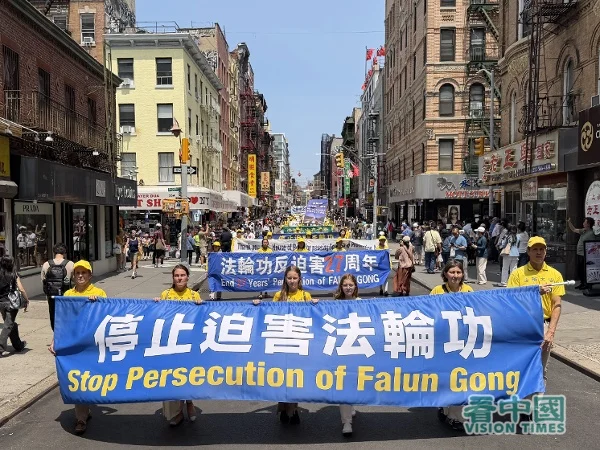
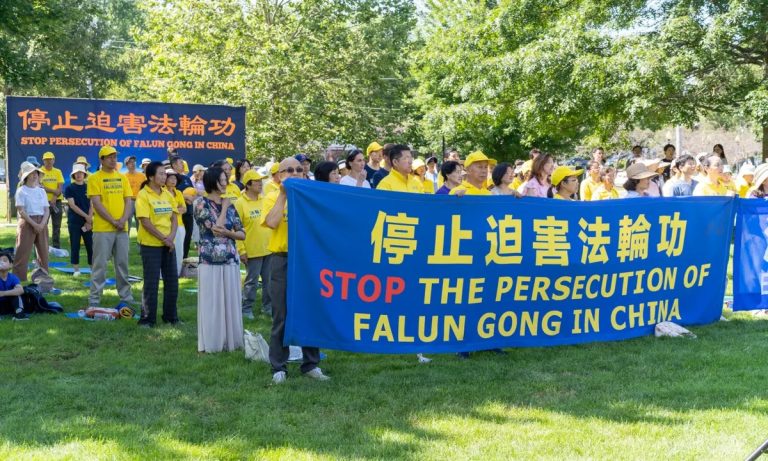
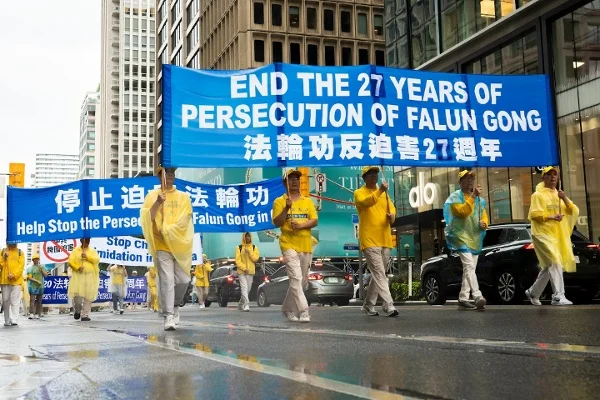
Wenming also reiterated long-standing allegations of forced organ harvesting, citing Falun Gong reports and whistleblower claims dating back two decades—none of which have been independently confirmed by international investigators.
In closing, Wenming appealed to viewers to remain vigilant and to take symbolic steps toward freedom of conscience:
“Heaven’s justice never fails. Every Chinese who breaks free from the CCP’s grip is reclaiming light and conscience for the nation.”
Readers can learn more at www.EndCCP.org, a global movement promoting awareness and accountability for victims of CCP persecution.