By Yitian
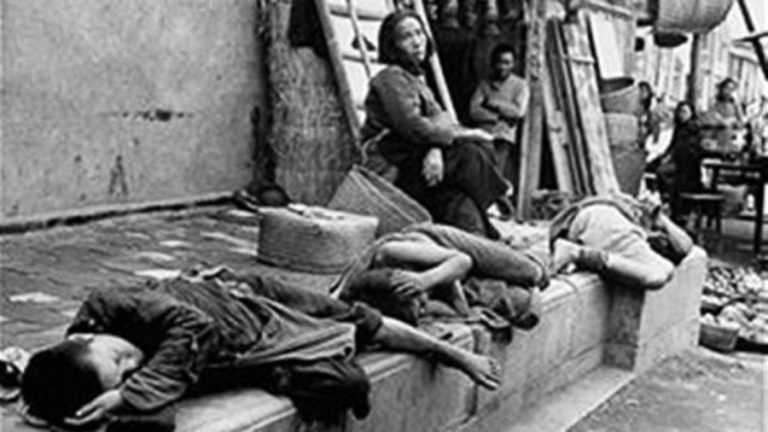
In the China of the early 1960s, famine was not a rumor-it was a landscape. Villages emptied out. Families collapsed. Entire counties disappeared from census rolls. And in the middle of this devastation, Zhou Enlai made decisions that have come under sharp re-examination as new archival accounts come to light.
While CCP propaganda long cast Zhou as the moral counterweight to Mao Zedong, internal recollections tell a harsher story — one in which Zhou knew people were starving, continued grain extraction anyway, and later destroyed key evidence documenting the human toll.
Beijing continued grain extraction despite widespread starvation
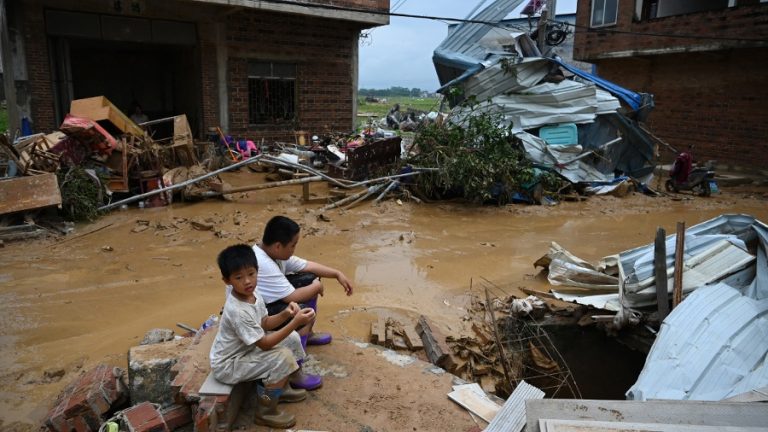
By late 1958, starvation cases had already appeared. By spring 1959, the famine was nationwide. Reports reaching Beijing described mass edema, entire families perishing, and rural regions collapsing in silence.
A State Council briefing delivered to Zhou in April 1959 counted more than 25 million people with no grain at all. Letters from Henan reported corpses along village roads. Jiangsu reported 120,000 urban edema patients; rural figures were far worse.
Success
You are now signed up for our newsletter
Success
Check your email to complete sign up
Yet even as these reports piled up, Beijing continued its course: grain procurement increased, exports continued, and local officials were instructed to meet quotas regardless of deaths.
Zhou ignores widespread famine in Xinyang
In 1960, internal investigators delivered a devastating report on Xinyang — where more than one million people died in a single regional catastrophe. Zhou acknowledged responsibility but took no corrective action. No granaries were opened. No emergency orders were issued.
Famine intensified.
One of the most startling revelations concerns Zhou’s decision — made at the height of the famine-to buy gold abroad using Chinese grain. Beginning in 1960 and continuing through 1970, China purchased hundreds of thousands of taels of gold annually, transporting them home by special flight.
To buy 100,000 taels of gold required nearly 100 million kilograms of rice — the very resource that millions lacked to survive.
Zhou Enlai ordered a nationwide famine report destroyed
In 1961, three senior officials compiled a nationwide report on grain supplies and population loss. When the figures were aggregated, they showed a population decline of several tens of millions.
Only two men received the report: Mao Zedong and Zhou Enlai.
Zhou’s response was immediate and chilling: “Destroy it. Do not allow it to circulate.”
The printing plates and all copies were burned. Zhou followed up by phone: “Was it destroyed?”
Only after receiving confirmation did he hang up.
Archival commentary suggests Zhou had two overriding concerns: saving cities from food shortages that could cause political instability, and suppressing evidence that the famine was man-made.
Rural deaths — vast in scale — did not carry the same political risk.
For decades, official Chinese authorities attributed the famine to “natural disasters.” But the accounts compiled in New Discoveries About Zhou Enlai paint a clearer picture: the famine was political, the deaths preventable, and the concealment deliberate.
And at the center of those decisions was Zhou Enlai — a leader long praised for moderation, yet deeply implicated in one of the darkest chapters of modern Chinese history.