By Yang Tianzi
At the start of 2026, Iran is confronting one of its gravest political and social crises in years.
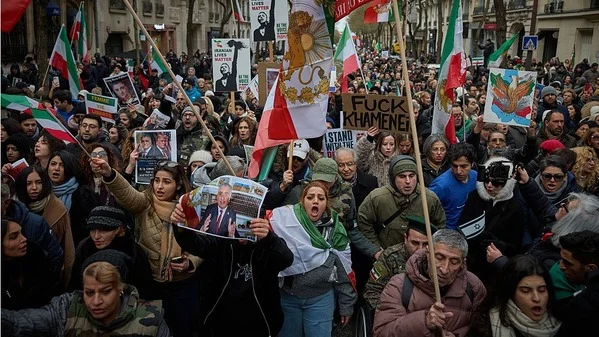
What began on December 28 as a peaceful strike by Tehran shopkeepers protesting soaring prices and economic stagnation has since evolved into a nationwide protest movement challenging the very foundations of the Islamic Republic. Demonstrations have spread to more than 100 cities across the country. Human rights organizations report that the crackdown has left more than 500 people dead and over 10,000 detained, triggering widespread international condemnation.
From Economic Protest to Nationwide Uprising
The current wave of unrest did not erupt overnight. Years of economic hardship and accumulated social grievances had already pushed society to a breaking point.
On December 28, merchants in Tehran launched strikes in response to worsening economic conditions. Iran’s economy has been battered by years of international sanctions, chronic inflation, declining purchasing power, rising unemployment, and especially limited job prospects for younger generations. For many Iranians, daily life has become a struggle to afford basic necessities. These pressures served as the immediate trigger for unrest.
Success
You are now signed up for our newsletter
Success
Check your email to complete sign up
A decisive turning point came on December 30, when students from at least 10 universities joined the demonstrations. Iranian universities have historically played a central role in protest movements, and student participation often signals broader political defiance. Their presence transformed protests rooted in economic grievances into a direct challenge to the regime’s legitimacy.
With students joining the streets, protests quickly spread beyond Tehran to cities including Shiraz, Neyshabur, and Najafabad, eventually reaching more than 100 urban centers nationwide.
Witnesses described massive crowds filling Tehran’s streets between January 8 and 9. One social worker who participated said the scale of participation was unlike anything she had seen in her lifetime, calling the scene both overwhelming and hopeful. The breadth of participation across generations and social classes suggested that long-suppressed frustration had reached a breaking point.
Violent Suppression After Khamenei’s Address
The government’s response escalated sharply after Supreme Leader Ali Khamenei delivered a nationally televised address on January 9. As Iran’s highest authority—whose position supersedes elected offices—Khamenei’s speeches often serve as signals for security forces.
That evening, security units launched sweeping crackdowns, deploying military rifles, tear gas, and stun devices. One social worker who took part in the protests described the scene as a nightmare. “Bullets, tear gas, everything you can imagine was fired,” she said.
Multiple witnesses reported that security forces not only fired directly at protesters on the streets but also shot from rooftops. In Neyshabur, a doctor said security personnel fired from elevated positions, striking a family of six who were passing through the area.
Other accounts described extreme brutality. One social worker said she saw a young girl repeatedly shocked with an electric device until she collapsed. The same worker said her colleague’s son was killed during the crackdown.
In Shiraz, doctors were treating a woman who had been shot in the head. One physician said he had never encountered such a case in his career. “They fired at her head and neck,” he said.
Hospitals Overwhelmed as Death Toll Mounts
As the crackdown intensified, Iran’s medical system came under severe strain.
Doctors and nurses reported being overwhelmed by the influx of casualties. A physician studying in Tehran who now lives in Chicago relayed messages from colleagues still working inside Iran. One orthopedic surgeon said emergency rooms were filled with bodies, adding that at least 30 people had suffered gunshot wounds to their limbs.
At Tehran’s Farabi Eye Hospital, doctors reportedly treated between 200 and 300 patients for eye injuries caused by pellet ammunition. The unusually high concentration of eye wounds raised concerns that security forces were deliberately targeting protesters’ eyes, a tactic previously documented in other Iranian crackdowns and widely viewed as an attempt to permanently disable demonstrators.
One protester said she saw bodies stacked inside a hospital. In Najafabad, medical workers described families rushing to Montazeri Hospital to identify their children’s remains, then burying them in the clothes they had worn when they were killed.
In Tehran, a man in his 60s suffered severe injuries, including dozens of pellet wounds to his legs and a broken arm. Attempts to move him between hospitals were described as chaotic, underscoring the collapse of emergency medical response.
Disputed Death Toll Amid Information Blackout
Precise casualty figures remain contested.
The U.S.-based Human Rights Activists News Agency reported on January 11 that at least 490 protesters and 48 security personnel had been killed, with more than 10,000 people detained. Reuters and CNN said they were unable to independently verify the figures. Iranian authorities have released no official casualty data.
Other human rights groups reported lower numbers, citing at least 72 deaths and more than 2,300 arrests. The wide discrepancies highlight the difficulty of obtaining reliable information amid internet shutdowns, strict media controls, and the intimidation of medical staff and journalists.
Iranian state television aired footage on January 11 showing dozens of body bags laid out at a Tehran coroner’s office, claiming the victims were killed by “armed terrorists.” Critics say such narratives are routinely used by authorities to deflect responsibility and justify the use of lethal force against largely peaceful protesters.
Rights groups argue the true death toll is likely higher, noting that many wounded protesters avoided hospitals out of fear of arrest and may have later died without being officially recorded.
Information Warfare and Internet Blackouts
To contain the unrest, authorities imposed sweeping information controls.
Protesters told CNN that internet access was cut during the crackdown, severing communication with the outside world. Internet shutdowns have become a standard tactic during major protests in Iran, aimed at disrupting coordination and preventing images and testimony from reaching international audiences.
Despite the blackout, some protesters and medical workers managed to share videos and firsthand accounts with foreign media, risking arrest or retaliation. These accounts have become crucial for documenting the crackdown and preserving evidence.
International Reaction and U.S. Warnings
The violence drew strong reactions abroad, particularly from the United States.
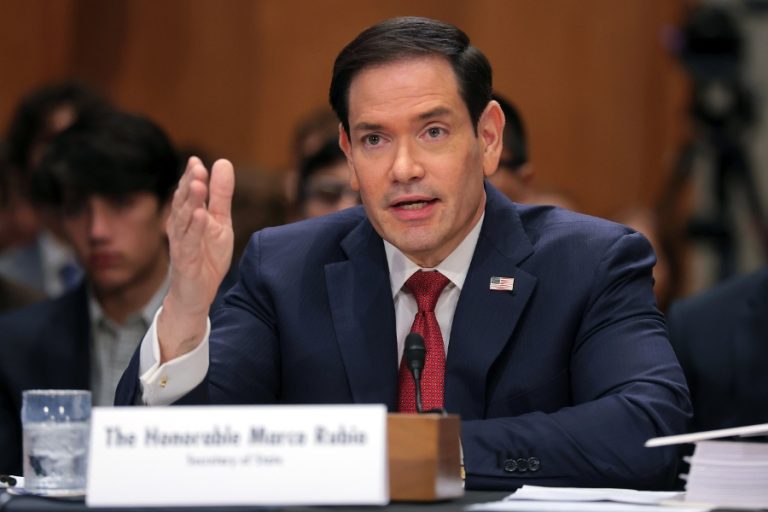
On January 9, U.S. President Donald Trump warned that if Iranian security forces continued killing protesters, the United States would respond militarily. Secretary of State Marco Rubio said the United States stood with the Iranian people.
Supporters argue that Washington’s stance aligns with its long-standing emphasis on human rights and pressure on Tehran. Critics caution that overt threats could allow Iranian authorities to portray the protests as foreign-backed conspiracies, a familiar accusation used to discredit domestic dissent.
The United Nations, the European Union, and multiple rights organizations also urged Iran to halt violence and respect the right to peaceful assembly, though the impact of such appeals remains uncertain.
A Crisis of Legitimacy
The protests reflect long-standing grievances that have fueled repeated waves of unrest in Iran, including the 2009 Green Movement, the economic protests of 2017 and 2019, and the 2022 demonstrations sparked by the death of Mahsa Amini while in morality police custody.
Each movement has had its own trigger, but the underlying causes have remained consistent: economic hardship, political repression, corruption, and demands for personal freedom. The government’s response has followed a familiar pattern of mass arrests, information blackouts, and violent suppression.
This time, however, both the scale of the protests and the severity of the crackdown appear unprecedented. Demonstrations have drawn participants from across social groups, while security forces have shown little restraint.
Analysts say the regime’s reliance on violence exposes a deeper crisis of legitimacy. A government that repeatedly turns to force to maintain control, they argue, has already lost the trust of its people.
A Turning Point With Uncertain Outcomes
Looking ahead, Iran’s trajectory remains uncertain.
The crackdown may temporarily suppress protests, but economic strain, sanctions, and unresolved social tensions persist. International pressure could weaken the regime further or harden its stance. Dialogue could open space for de-escalation—or be dismissed as capitulation.
For many Iranians, the protests represent a demand for dignity, freedom, and a better future. Regardless of the immediate outcome, the movement has already altered the political landscape.
Hundreds have been killed, thousands injured, and tens of thousands detained. Hospitals filled with bodies, bloodstained streets, and grieving families now define one of the darkest chapters in Iran’s recent history.
Yet amid the violence, protesters have continued to defy repression, share information, and demand accountability. Whether or not change comes quickly, rights advocates say the forces unleashed by this uprising are unlikely to fade.
Iran stands at a critical juncture. The outcome of this movement will shape not only the fate of those in the streets, but the country’s future for years to come.