By Wei Lu
I am a Christian from China who now lives in the United States. I have practiced my faith under two fundamentally different social systems. The distance between them is not abstract. It is lived, felt, and remembered. Moving from restriction and fear to openness and freedom has reshaped how I understand belief and why religious freedom matters so deeply to those who hold faith.
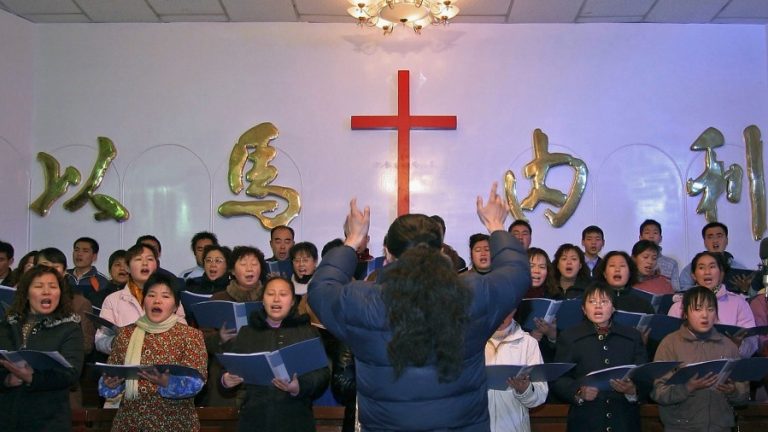
My faith first took root in Wuhan. At the time, there was no legally recognized space for worship, so our gatherings remained discreet. We met in a small commercial teahouse in Wuhan, Hubei Province, reading the Bible and praying together. The setting was modest, but it was where my faith began.
Discretion did not bring safety. During one routine gathering, two police officers arrived after a report was filed and labeled our meeting an “illegal religious activity.” The gathering was forcibly shut down. The organizer was taken aside for questioning, and everyone else was ordered to leave. That moment stripped away any remaining illusion I had. In China, even quiet, apolitical expressions of faith can be interrupted without warning.
Afterward, anxiety settled in and did not easily lift. I worried about being placed on a government watch list and subjected to monitoring. As a parent of two children, a deeper fear followed. I worried that my faith might affect their future, from schooling to employment. To protect my family, I began to censor myself. I attended fewer gatherings, withdrew from fellow believers, and pushed my faith further underground. What remained was a life of belief lived quietly and under strain, leaving my spiritual life feeling constricted.
Success
You are now signed up for our newsletter
Success
Check your email to complete sign up
That sense of pressure disappeared after I arrived in the United States. The contrast was immediate. I could enter a church openly, without worrying about who might be watching. I could study the Bible systematically and share my testimony without hesitation. Free from fear, my faith no longer needed to hide. It could finally breathe, and in doing so, it began to recover.
With that change came a shift in prayer. What had once been driven by fear and crisis gradually became an act of submission to God’s will. I also came to a sobering realization. If I were forced to return to China, I would again face a life where public worship is impossible and conscience is under constant pressure. That would not simply mean losing a legal right. It would mean the quiet suffocation of spiritual life.
Having lived in both China and the United States, I have come to understand the weight of religious freedom through experience rather than theory. Only where fear is absent can faith grow into something whole. I hope to remain vigilant in freedom and continue forward in grace.
(The views expressed in this article are solely those of the author.)