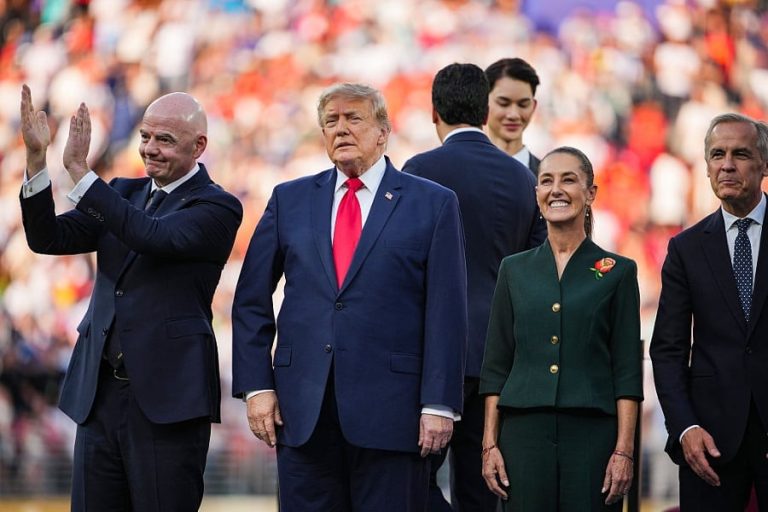
Driven by U.S. President Donald Trump, a growing movement within the conservative camp is urging Senate Republicans to consider abolishing the “filibuster” rule in order to advance stricter voter ID legislation. Supporters argue that such legislation is intended to strengthen election security and ensure the authenticity of voter eligibility.
Currently, the Republican-led Safeguard American Voter Eligibility Act (SAVE Act) has passed the House of Representatives. Recently, Republican lawmakers proposed an upgraded version — the SAVE America Act. Building on the original requirement to provide proof of citizenship at registration, the new bill would further require voters to present photo identification when casting ballots.
Republicans emphasize that the legislation aims to prevent illegal voting and uphold the credibility of the electoral system. While election officials nationwide generally consider non-citizen voting extremely rare, Trump recently told conservative commentator Dan Bongino on his podcast that the risk of large-scale illegal voting is worth monitoring.
Party push gains momentum, but institutional reform remains controversial
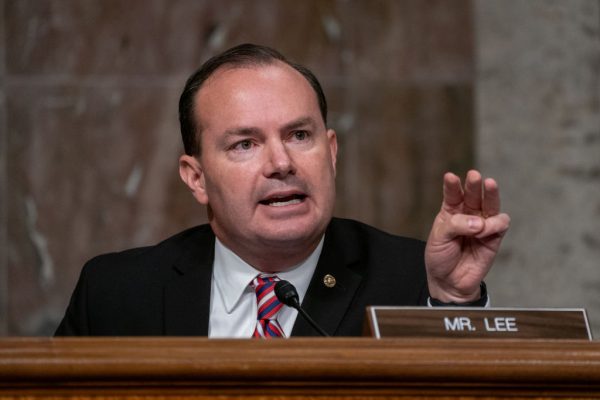
Senator Mike Lee of Utah and other Republicans argue that if election security legislation cannot advance quickly, the GOP could face risks in upcoming midterm elections. Lee said the bill has strategic significance and called for a prompt vote in the Senate.
Currently, 49 Republican senators have publicly supported the SAVE Act or similar proposals. However, under existing Senate rules, regular legislation typically requires 60 votes to end debate and move to a vote. Therefore, even with GOP unity, bipartisan support is still necessary.
Success
You are now signed up for our newsletter
Success
Check your email to complete sign up
Trump has repeatedly called on social media to “end the filibuster” and hinted that he might support primary challengers against Republican senators who block the reforms. Some conservative lawmakers and political commentators also back lowering the threshold so legislation could pass by a simple majority.
House strategy: linking voter ID to budget could be a breakthrough
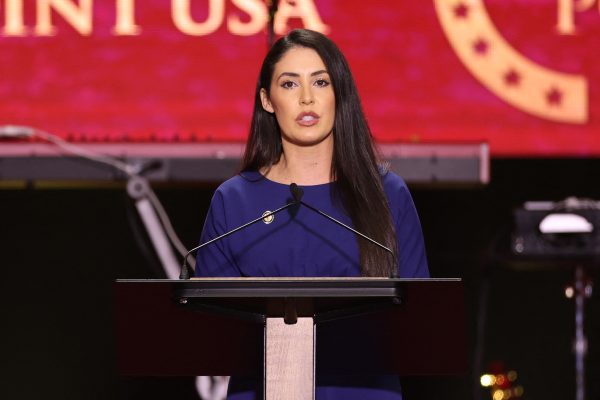
Conservative Representatives such as Anna Paulina Luna of Florida have proposed including the voter ID legislation in the government funding bill to improve its chances of passage. She even warned that the Senate might not pass the bill separately if its provisions are not included.
However, bundling election legislation with the budget could disrupt the delicate negotiations over Department of Homeland Security (DHS) funding. Senate Democrats are pushing to limit certain immigration enforcement measures, while Republicans emphasize border enforcement and urban security.
With the GOP’s narrow House majority, any internal divisions could affect the legislative process. The upcoming swearing-in of Texas Democratic Representative Christian Menefee is expected to further narrow the Republican advantage.
Filibuster debate could reshape long-term party politics
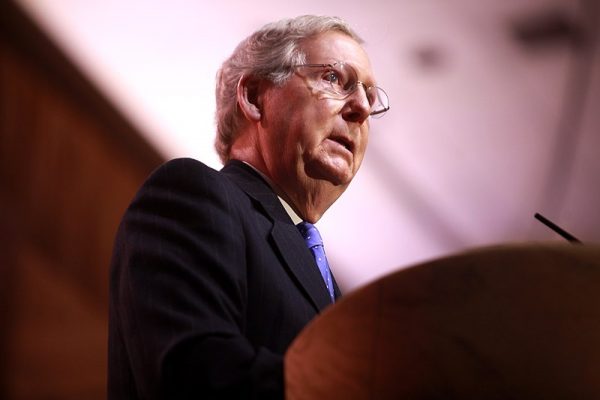
Policy experts widely believe that abolishing the filibuster would have a profound impact on U.S. legislative structure. Both parties have historically weakened it on specific issues. For example, Senate Majority Leader Harry Reid in 2013 eliminated the filibuster for presidential nominees, and later, Mitch McConnell expanded the reform to include Supreme Court confirmations.
Some analysts note that the filibuster often protects Republican policies. Daniel Schuman, executive director of the R Street Institute, said the rule gives the minority party strong blocking power and increases individual senators’ leverage in negotiations.
Observers also point out the rise of a “swing majority” in U.S. politics. Research by Princeton political scientist Frances Lee shows that alternating party majorities have made election rules and legislative procedures central to political competition.
Funding stalemate temporarily pauses DHS negotiations
According to Punchbowl News, the short partial government shutdown is expected to end soon. The House plans a continuing resolution to fund key departments — Defense, State, Health and Human Services — through Sept. 30, 2026, while DHS funding is only extended until Feb. 13.
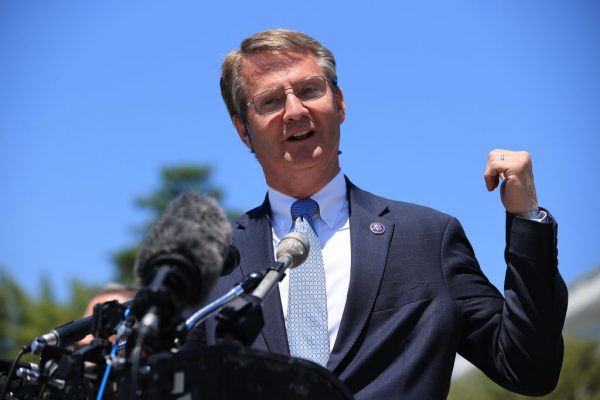
Trump recently persuaded Anna Paulina Luna and Tennessee Representative Tim Burchett to drop their opposition to the funding bill, allowing the House to continue its budget agenda.
However, negotiations over immigration enforcement remain sharply divided. Senate Majority Leader John Thune said talks are still in early stages, with the White House and Senate Minority Leader Chuck Schumer leading the subsequent negotiations.
Some hardline Republicans hope to leverage these talks to advance issues including ending sanctuary city policies and strengthening voter ID requirements.
Election security remains a rising political flashpoint
Overall, the GOP is making election security a core political agenda and seeking institutional reforms to expand legislative possibilities. Although abolishing the filibuster faces both intra-party and bipartisan resistance, issues surrounding election law, immigration enforcement, and government funding have become key points of political contention in Washington.
In the coming weeks, as DHS funding deadlines approach and the Senate considers whether to advance a vote on voter ID legislation, battles over power and procedural rules in Congress are expected to intensify.