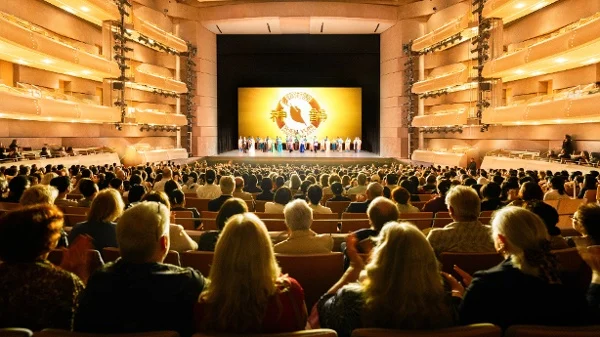
Be it literature, music, or visual arts, great masterpieces have the power to transform their audience. These timeless pieces of work nourish the soul and inspire the heart with exquisite beauty. But how do the artists achieve such a remarkable feat? If you asked Socrates, he would say it’s divine inspiration, and that the artists deserve no credit.
In ancient Greece, poets were elevated to the status of moral arbiters. Addressing themes of morality, honor, piety and sacrifice, they served to guide the public on ethical matters. Philosophers such as Socrates, and his student Plato, found themselves in direct competition for this social standing.
The argument
In a short dialogue called Ion, Plato records a conversation between Socrates and a rhapsode, who had just been awarded first prize for his stirring performance in reciting Homer. In the dialogue, Socrates traps the performer with a philosophical argument, leading him to concede that artists, such as himself and the poet, possess neither skill nor knowledge; but are instead “possessed” by divine insight.
Although there are some weak threads to this argument, such as the assumption that an artist must be versed in all aspects of his trade to be considered “skilled;” the philosophers seem to acknowledge the superb artist’s uncanny power to reveal universal truths that could not be achieved by mere study or practice.
What the philosophers failed to look at was the artists’ spiritual nature, which may have opened the channels for such inspiration to occur. We can see this with many of history’s most notable artists.
Success
You are now signed up for our newsletter
Success
Check your email to complete sign up
The Iliad and The Odyssey are not just epic poems, they were moral and educational cornerstones for ancient Greek society. Homer (circa 850 BC – 800 BC), was believed to have received his inspiration from muses, the accepted deities of his culture. While we know little of this early poet’s personal beliefs, later influential writers clearly had a strong relationship with God.
Faith and divine inspiration
Writers
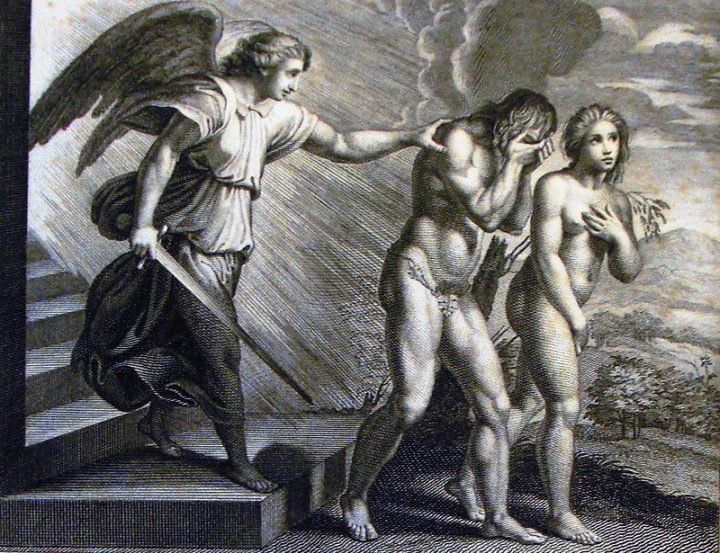
John Milton, author of what is considered the greatest epic poem of the English language, Paradise Lost (1667), claimed to have received divine guidance in his writing process. Milton was a devout Christian who sought to understand The Bible “as plainly and directly as possible.”
An extensive knowledge of scripture supported his inspired portrayal of biblical characters and faithful moral guidance.
Leo Tolstoy, Russian author of the world-renowned classics War and Peace (1865) and Anna Karenina (1878), claimed to receive inspiration from nature and introspection. His works delve deep into spiritual and moral themes. Although he had a strained relationship with the Church, he ultimately experienced a profound spiritual awakening in his 50s, after which he produced The Kingdom of God Is Within You, perhaps his most significant work.
Of course, artistic inspiration is hardly limited to literature. We can see many examples of spiritual engagement among the great visual artists and musicians as well.
Traditional artists
Michelangelo (1475-1564), the Italian master of painting, sculpture, and architecture, was also versed in poetry. From his written work, it is clear that he was extremely devout. As he exceeded the normal life expectancy of his time by some 40 years, he often pondered death; and this brought him even closer to his faith.
Much of Michelangelo’s art focused on, and seem to capture, divine figures and heavenly scenes. He, and many throughout history, believed his creative inspiration was of divine origin.
Dutch painter Rembrandt Harmenszoon van Rijn, known as the “Master of Light,” had a Bible-centric, Christian upbringing. He showed great artistic talent from an early age, and produced beautifully detailed biblical scenes, as well as extraordinary portraits that captured the very essence of the subject.
Rembrandt’s masterful use of chiaroscuro (a treatment of light and shadow) seems to express the dialectical nature of humans — made in God’s image, but flawed.
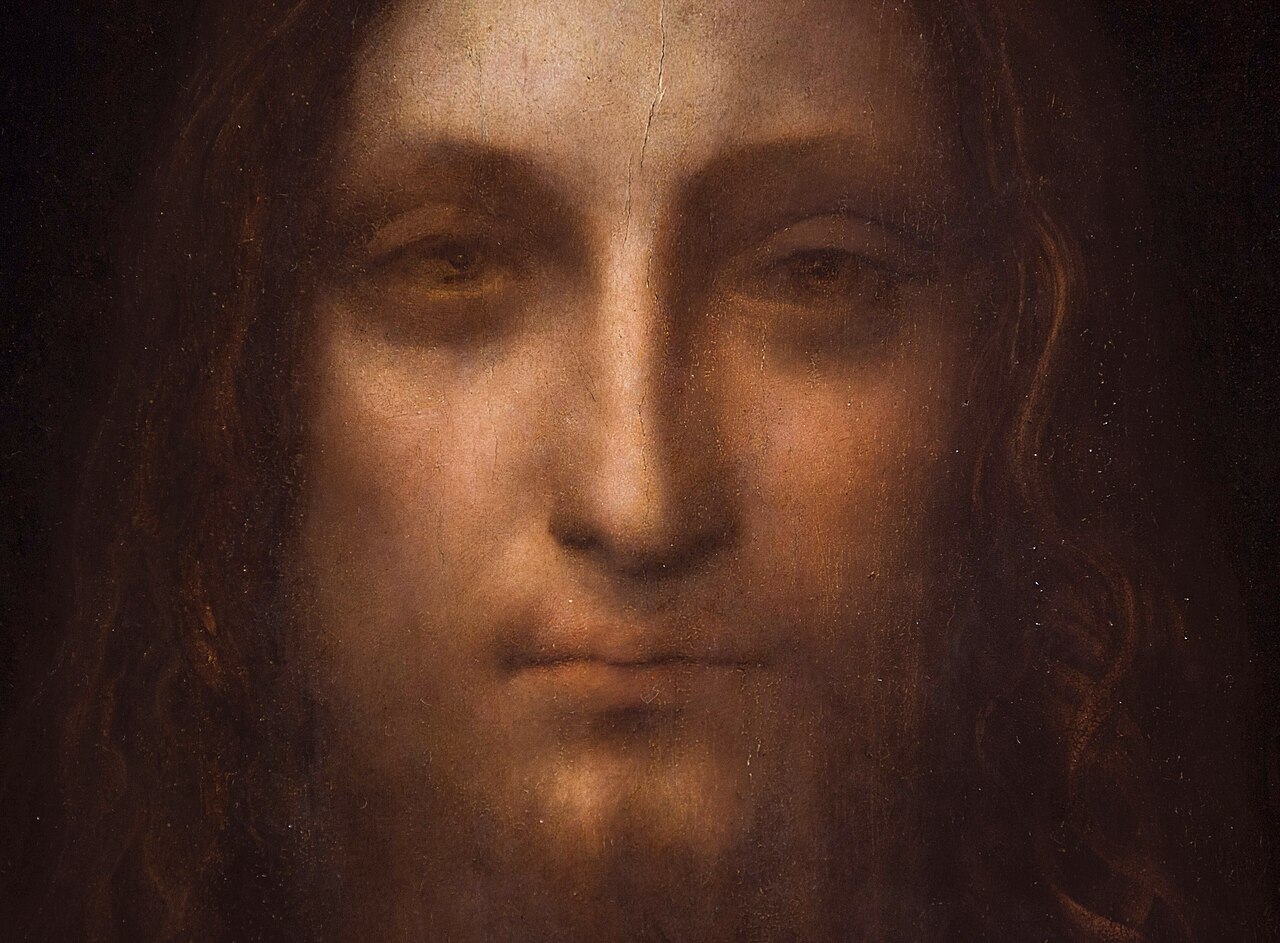
Italian polymath Leonardo da Vinci was born in 1452 to a Catholic family. His copious notes reveal profound insight within the realms of nature and science, while his most stunning artwork, including The Last Supper, Virgin of the Rocks, Adoration of the Magi, and Salvator Mundi glorify God. Biographer Giorgio Vasari, who knew Da Vinci personally, said of the artist:
“…occasionally, in a way that transcends nature, a single person is marvellously endowed by heaven with beauty, grace and talent in such abundance that he leaves other men far behind… Everyone acknowledged that this was true of Leonardo da Vinci, an artist of outstanding physical beauty who displayed infinite grace in everything he did and who cultivated his genius so brilliantly that all problems he studied were solved with ease.”
Musicians
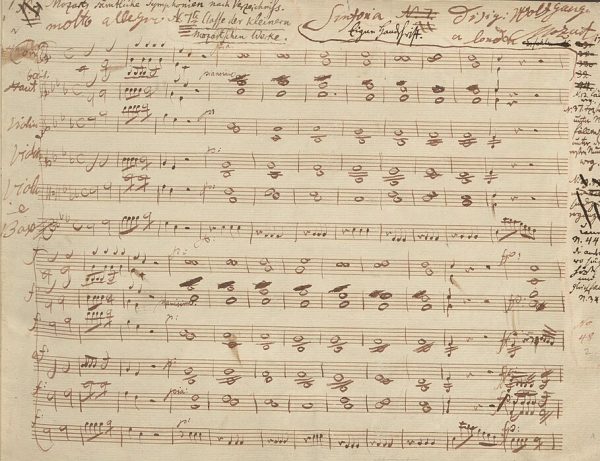
In the realm of music, consider three of the most celebrated composers of all time: Mozart, Beethoven, Bach.
Wolfgang Amadeus Mozart (1756–1791) was a child prodigy. In his short life he mastered all the existing genres for composition of his time. His letters reveal that he felt a divine connection with music, and, according to biographers and historians, he composed “almost instinctually.”
Although he had a tumultuous relationship with the church, Mozart produced profoundly spiritual music. Mozart’s Requiem, an unfinished work composed on his deathbed, is an especially moving piece that explores judgement and the hope of salvation. In his own words, “Let us put our trust in God and console ourselves with the thought that all is well, if it is in accordance with the will of the Almighty.”
Ludwig van Beethoven (1770–1827) belonged to a musical family, and his father began his training early. Both his contemporaries and later generations felt his work went beyond the human realm, despite the fact that he began to lose his hearing in his 20s.
Beethoven’s formative years were shaped by a devout Catholic upbringing. Although he was later influenced by the Enlightenment movement, he maintained a strong belief in the Creator, and felt his inspiration came from a “divine spark.” His Missa Solemnis and Symphony No. 9 convey transcendent beauty that reflects his deep spiritual nature.
Johann Sebastian Bach (1685–1750) was one of the most influential composers in the history of music — his creativity, counterpoint and structural complexity have inspired generations of musicians, and many hold him to be divinely inspired.
Bach was a devout German Lutheran, and most of his work was for the Church. He viewed his music as a way to glorify God, and often signed his manuscripts with S.D.G (Soli Deo Gloria — To God Alone Be the Glory).
Conclusion
Now, let’s return to the philosophers, who, in effect, discredit the inspired artist because his creativity comes from an outside source.
Is it not more convincing to argue that divine inspiration is a result of one’s own spiritual cultivation? From this standpoint, those who exhibit reverence for the Creator and earnestly seek enlightenment with a pure heart are deemed suitable recipients for divine inspiration; and thus their work is capable of inspiring others.