By Babak Baniasadi, Vision Times contributor
Major fashion brands like Nike and Gucci don’t just sell products — they sell an identity. To craft trends with global appeal, many of these companies tap into the creativity of Black American culture by building influence in Black communities before expanding to broader markets.
First, they gain cultural currency through localized marketing. Then, they amplify those styles through music, videos, and social media. From Nike’s domination of sneaker culture to the high-fashion spectacle of the Met Gala, Black style has become a runway to profits.
But while this strategy earns billions, it also carries hidden costs for Black Americans—financial pressure, internal cultural divides, and damaging stereotypes that deserve deeper scrutiny.
RELATED: ‘Never Make a Deal With the Devil’: How the CCP’s Trade War Is Costing American Consumers
What is the Met Gala?
Success
You are now signed up for our newsletter
Success
Check your email to complete sign up
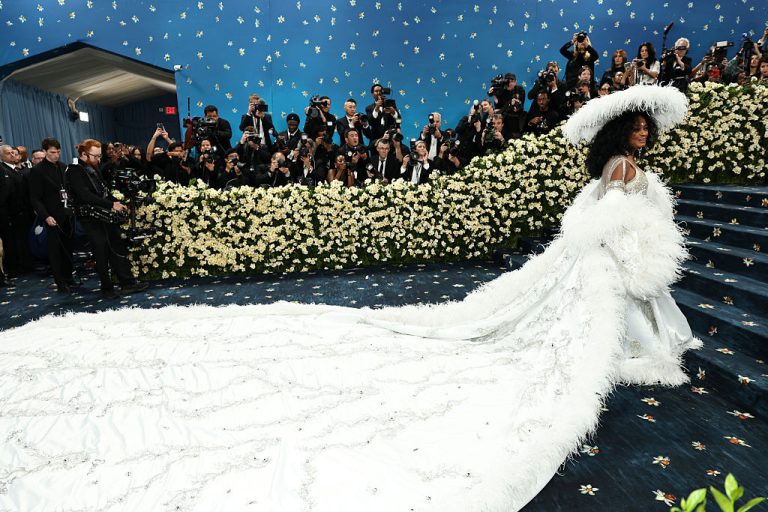
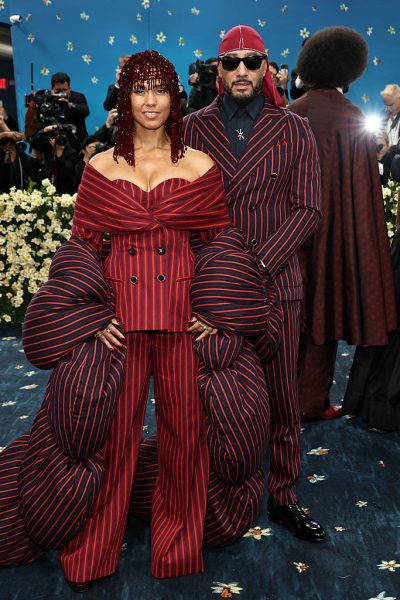
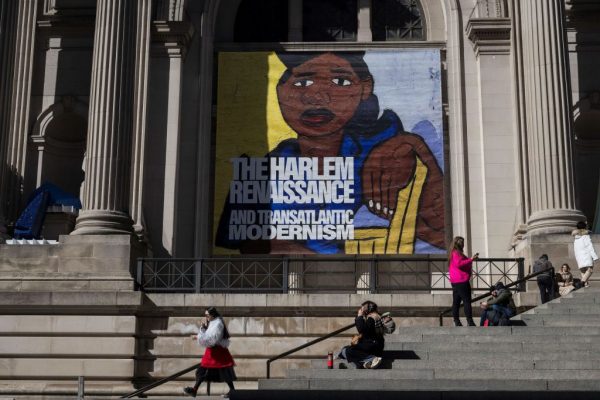
Held annually at New York’s Metropolitan Museum of Art, the Met Gala is fashion’s most anticipated night. It brings together celebrities and designers who dress to a theme to raise money for the museum’s Costume Institute. In 2025, the theme was “Superfine: Tailoring Black Style,” a tribute to Black dandyism — the sharp, expressive fashion of icons from the Harlem Renaissance to modern influencers like Pharrell Williams.
The event underscored how fashion both reflects and shapes culture. It also highlighted how brands harness Black style to set global trends, starting with highly targeted marketing in Black neighborhoods.
What is Black dandyism?
Black dandyism is the tradition of using bold, elegant fashion — from tailored suits to signature sneakers — as a form of identity and resistance. It originated in 18th-century Europe and found renewed cultural power during the Harlem Renaissance. Today, figures like André Leon Talley and ASAP Rocky continue this legacy of self-expression as a response to racial stereotypes.
Dandyism overlaps with sneaker culture, where Air Jordans have become more than just shoes—they’re symbols of status and creativity. But while this movement celebrates Black innovation, fashion houses often use it as a strategic first step in selling to a larger audience.

The power of marketing
Fashion brands, particularly Nike, have refined a cost-efficient strategy: start by marketing to a smaller, trendsetting group—Black Americans—before pushing the trend to mass markets.
In a 2008 study, Professor Nikolai Roussanov found that Black households spent roughly 30 percent more on visible goods like clothing compared to White households with similar incomes. These items hold heightened social and cultural meaning in Black communities.

Nike’s 1985 launch of the Air Jordan line is a textbook case. With Michael Jordan and Spike Lee leading the campaign, the ads specifically targeted urban Black youth. From a modest $2.6 million endorsement deal, Nike earned nearly $200 million by 1990, according to ESPN.
A 2019 Nielsen report found that Black consumers made up 20 percent of all athletic shoe purchases in the U.S., despite comprising just 13 percent of the population — proving their role as key trendsetters.
These trends, seeded in Black culture, go global through music videos, urban advertising, and social media. A 1997 Journal of Consumer Culture study noted that this “trend seeding” helps brands save significantly on broader advertising costs.
Unintended consequences
What works for brands can weigh heavily on the communities they market to.
Financial strain: Black families often face intense economic pressure. According to 2019 Federal Reserve data, the median wealth of Black households was $24,100, compared to $188,200 for White households. A $200 pair of sneakers takes a much larger toll on a Black family’s finances—money that could otherwise support education, savings, or investments.
Cultural tension: The celebration of bold fashion can create intergenerational rifts within Black communities. In Slaves to Fashion (2009), Monica L. Miller discusses how self-expression through fashion, while empowering for many young people, can conflict with older generations’ emphasis on collective progress. Black dandyism may elevate the individual, but it can sometimes feel at odds with communal values.
Reinforced stereotypes: Targeted fashion marketing can also perpetuate harmful assumptions. Many Americans overestimate Black spending on luxury goods, reinforcing stereotypes about financial irresponsibility. Bold fashion choices might also backfire in professional settings, where Black job applicants dressed in trend-forward styles may receive fewer callbacks—harming career prospects and reinforcing implicit biases.
These consequences — economic pressure, generational divides, and stereotype reinforcement — highlight the real, often invisible costs borne by Black consumers in a system where their style fuels corporate profit.
Note: Median wealth refers to the midpoint of household net worth across the population, offering a clearer picture of financial standing by excluding outliers.
Striking a balance
Brands like Nike have built global empires by leveraging Black American culture. Through sneaker culture and dandyism, they spark trends that move from Black neighborhoods to global markets via music, social media, and viral imagery. While this model celebrates self-expression, it has drawn concern from some Black intellectuals and community voices — particularly those with conservative viewpoints.
Economist Thomas Sowell argues that prioritizing fashion over education and personal development can hinder long-term economic success. He consistently emphasizes the importance of discipline, education, and responsibility, cautioning that materialism may distract from these foundational goals.
Radio host Larry Elder has voiced similar concerns. He sees the focus on style and consumerism as a symptom of deeper issues — like fractured families and underinvestment in education. He urges a return to values that foster lasting achievement.
The late economist Walter E. Williams also critiqued cultural trends that put fashion before education. He viewed self-reliance, personal accountability, and intellectual growth as crucial tools for overcoming systemic barriers.
Together, these thinkers warn that while fashion and cultural expression can empower, they can also obscure the need for economic independence and long-term growth.
The data — on wealth gaps, spending habits, and societal perceptions — reveals a complex picture. Black style sets global standards, but the cost of being a trendsetter is often paid in silence. For all the celebration of Black creativity, the burden it carries is just as real.