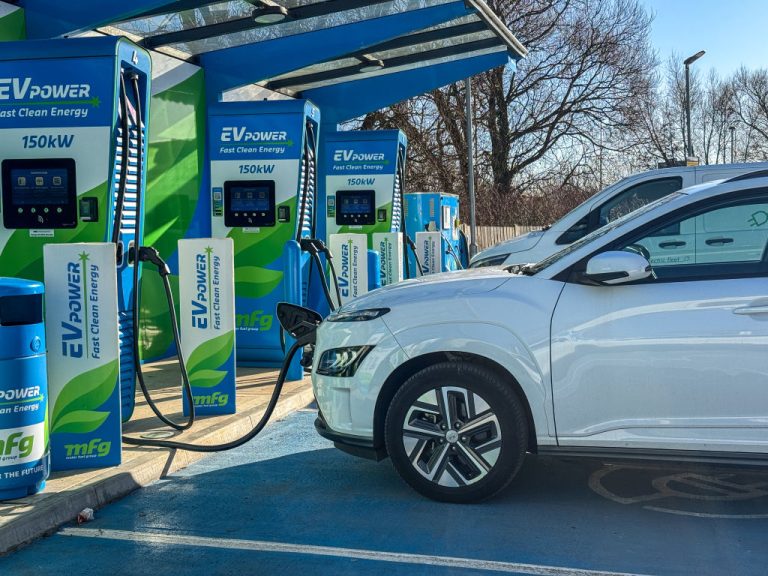
In the ongoing battle between electric vehicles (EVs) and traditional gas-powered cars, electric may look like it has an edge — at least in the eyes of lawmakers in both Washington and California. But have politicians genuinely weighed the pros and cons before throwing their support behind EVs? Bestselling author and media commentator Larry Elder isn’t so convinced.
“In Electric Vehicles: The Good, the Bad, and the Ugly”, directed by award-winning filmmaker Mathias Magnason, Elder steps in as presenter, investigator, and on-camera host to deliver the kind of in-depth evaluation he believes has been sorely missing from the public conversation.
The dark side of going electric
The title is no exaggeration. Elder approaches EVs with an open but critical lens, acknowledging the positives while laying bare the drawbacks — and some alarming consequences. Among the “good,” he praises the driving experience itself. Thanks to cutting-edge technology, EVs are fast, powerful, and unusually responsive. For car enthusiasts, that translates into a thrilling ride. Self-driving features also get high marks for delivering a smooth and secure commute.

For many drivers, performance is the top concern. But Elder dives deeper, turning his attention to the environmental arguments that often dominate EV discourse. And it’s here that things get complicated. While EVs are often touted as green alternatives, their batteries tell a different story. Heavy, difficult to recycle, and potentially toxic if mishandled, these batteries pose long-term environmental challenges and safety concerns.

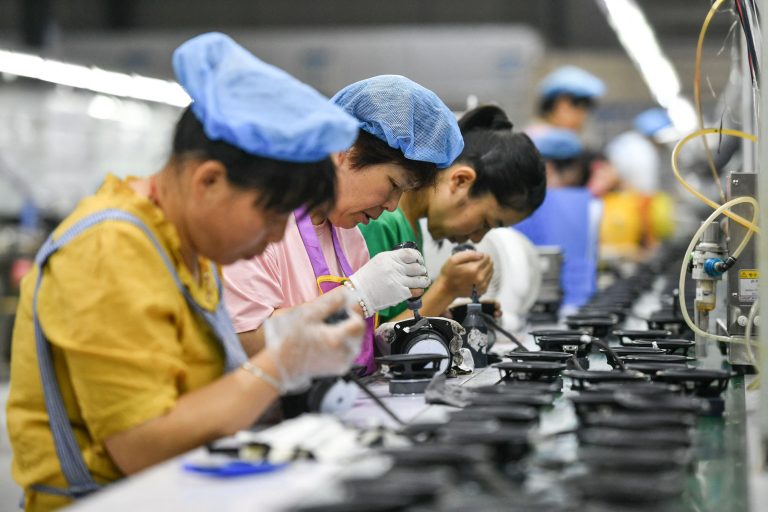
Compounding the issue is the global supply chain. The rare earth minerals required for EV batteries are primarily sourced from developing nations like the Democratic Republic of the Congo — and often under deeply unethical conditions. Elder doesn’t shy away from this: Many of these operations are controlled by companies tied to the Chinese Communist Party (CCP) and reportedly rely on child labor.
Success
You are now signed up for our newsletter
Success
Check your email to complete sign up
Ironically, as Elder highlights, the same lawmakers championing EVs have blocked domestic cobalt mining initiatives, such as those proposed for Minnesota’s Iron Range, keeping the U.S. tethered to problematic foreign suppliers.
Environmental concerns
This raises a red flag not just environmentally, but from a national security standpoint. Replacing America’s gas-powered fleet with EVs increases dependency on supply chains influenced by China. Elder’s documentary presents serious concerns about potential security risks, including the possibility of backdoor vulnerabilities in imported electronics.

National security experts featured in the film, including former Air Force and Space Force software officer Nicholas Chaillan, warn of similar risks in solar technology components.
Even the presumed environmental superiority of EVs comes under fire. Electricity has to be generated somehow — and in most cases, that still involves burning fossil fuels like coal and oil. Elder and his expert contributors argue that when you factor in the emissions from power plants and the environmental toll of battery disposal, the supposed “green” advantage of EVs begins to fade.
Far-reaching effects
Throughout the film, Elder maintains a calm and composed demeanor, bringing his signature talk radio ease to the screen. Viewers unfamiliar with California politics might be surprised he lost the state’s recent gubernatorial recall race, judging by the warm reception he receives from passersby during on-location shoots. But while Elder may not be in office, the documentary suggests he hasn’t stopped doing the kind of rigorous economic and environmental analysis that California’s leadership arguably lacks.

In a twist of irony, many of the issues Elder raises, such as environmental harm in Ghana or child exploitation in Congo, are typically raised by progressives. Yet these are the very consequences being overlooked in the push for a clean-energy future.
Magnason’s direction keeps the pace lively without losing clarity. The tone remains thoughtful and measured, making it easy to watch even when the subject matter turns heavy. It’s clear the documentary was made by car lovers, particularly Elder and radio legend Leon “The Motorman” Kaplan. While that might strike some critics as a bias, for most viewers it will come across as passionate and authentic.
To watch “In Electric Vehicles: The Good, the Bad, and the Ugly”, please visit Gan Jing World.