Acupuncture, a cornerstone of Traditional Chinese Medicine (TCM), has been widely used for centuries to address a variety of women’s health issues, particularly gynecological disorders. In recent years, its popularity has grown in Western countries, as more women seek effective, safe, and non-invasive alternatives for managing conditions such as menstrual pain, infertility, and menopausal symptoms.
Traditional Wisdom Meets Modern Needs
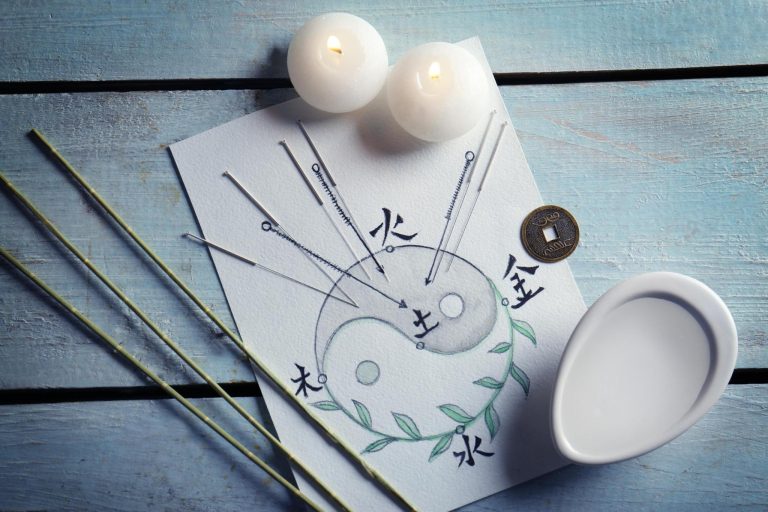
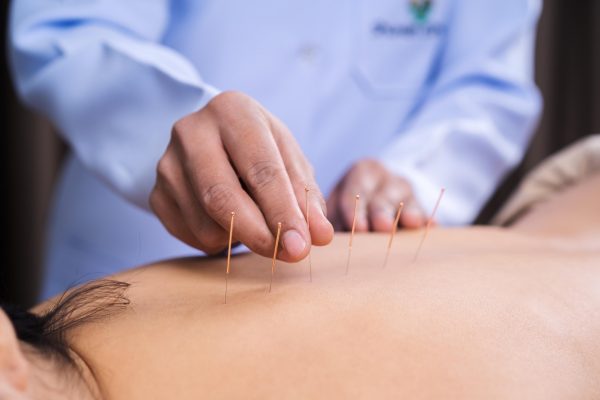
According to TCM, the human body is an integrated whole, with organs, meridians, and the flow of “Qi” (vital energy) intricately connected. Health problems arise when the flow of Qi is blocked or imbalanced. Acupuncture works by inserting fine needles into specific points along the body’s meridians to restore the balance and flow of Qi, thereby promoting health and alleviating disease.
In the context of gynecological disorders, acupuncture aims to regulate hormonal imbalances, improve blood circulation, reduce inflammation, and relieve pain. By stimulating certain acupoints, acupuncture can harmonize the functions of the internal organs, balance Yin and Yang, and promote the smooth flow of Qi and blood—factors that are often disrupted in women’s health conditions.

Applications of Acupuncture in Common Gynecological Disorders
- Menstrual Disorders
Menstrual irregularities, such as early or delayed periods, inconsistent cycles, and abnormal menstrual flow, are among the most common gynecological complaints. Acupuncture has demonstrated significant efficacy in regulating menstrual cycles by stimulating points like Guanyuan, Qihai, and Sanyinjiao. These treatments help harmonize Qi and blood, improve endocrine function, and restore normal menstruation. - Dysmenorrhea (Menstrual Pain)
Many women experience abdominal pain and discomfort during menstruation, often due to Qi stagnation, blood stasis, or cold accumulation in the uterus. Acupuncture can effectively relieve menstrual pain by relaxing uterine muscles, promoting blood flow to the abdomen, and reducing inflammation. Studies have shown that acupuncture can be as effective as painkillers in alleviating menstrual pain, with the added benefit of fewer side effects. - Pelvic Inflammatory Disease (PID)
PID is characterized by inflammation of the pelvic organs, often presenting as lower abdominal pain, increased vaginal discharge, and fever. Acupuncture can help reduce inflammation and pain by improving local blood circulation and enhancing the body’s immune response. Points such as Zhongji, Guilai, and Shuidao are commonly used to accelerate the resolution of inflammation and prevent recurrence. - Infertility
Infertility is a significant concern for many families. Acupuncture has shown unique benefits in this area by regulating the endocrine system, improving ovarian function, and promoting follicle development and ovulation. It can also enhance the receptivity of the uterus and improve the endometrial environment, creating favorable conditions for embryo implantation. Additionally, acupuncture helps alleviate stress and anxiety, which can further improve the chances of conception. Research has indicated that acupuncture can be a valuable adjunct to assisted reproductive technologies such as IVF. - Menopausal Syndrome
As women enter menopause, they may experience symptoms such as hot flashes, insomnia, and mood swings. Acupuncture can help regulate hormonal levels, balance Yin and Yang, and alleviate these discomforts. Points like Taixi, Shenshu, and Mingmen are often used to support endocrine balance and improve quality of life during this transition.
Advantages and Considerations
Acupuncture offers several advantages in the treatment of gynecological disorders: it is effective, has minimal side effects, and is easy to administer. Unlike pharmaceutical treatments, acupuncture avoids drug-related adverse reactions and can be tailored to the individual’s specific needs. Patients can also use techniques such as acupressure or moxibustion at home as supplementary therapies.
However, it is important that acupuncture treatments are performed by qualified practitioners to ensure safety and efficacy. A thorough assessment should be conducted before treatment to rule out contraindications, and the treatment environment should be calm and comfortable to help patients relax.
Success
You are now signed up for our newsletter
Success
Check your email to complete sign up
Acupuncture stands out as a valuable, holistic approach to women’s health, offering relief for a wide range of gynecological conditions. By restoring the balance of Qi and blood, regulating hormones, and supporting the body’s natural healing processes, acupuncture not only addresses specific symptoms but also promotes overall well-being. For women seeking alternatives or complements to conventional medical treatments, acupuncture represents a time-honored and increasingly evidence-based option worth considering.