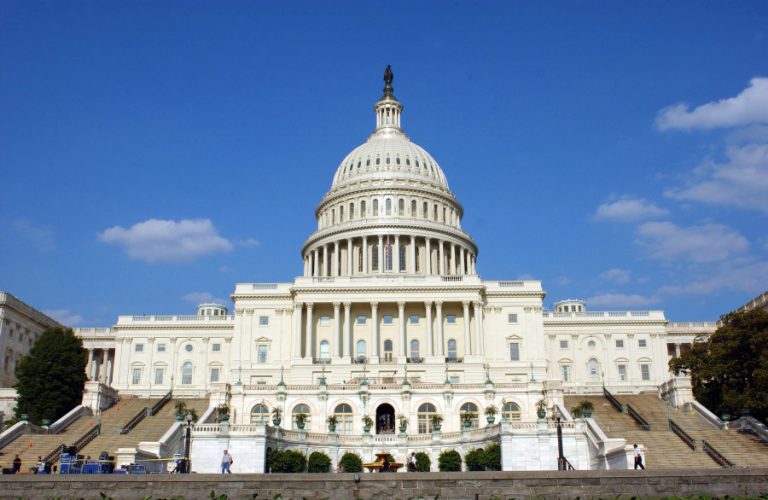
On Tuesday, Nov. 11, after a 42-day shutdown, U.S. House members gradually returned to Washington to prepare for a key vote to end the longest government shutdown in U.S. history.
The shutdown has caused chaos at airports, leading to nearly 1,200 flight cancellations nationwide on that day. Several lawmakers had to overcame travel difficulties to reach Capitol Hill.
According to Reuters, Republican Representatives Rick Crawford of Arkansas and Trent Kelly of Mississippi said they were carpooling to Washington, while Wisconsin Representative Derrick Van Orden set off on a 16-hour motorcycle ride.
In a social media video, Van Orden said: “It’s going to be a little cold, but I will fulfill my duty.”
The House, controlled by Republicans, plans to vote on a bipartisan compromise bill on Wednesday afternoon. If passed, the bill would restore government funding and end the shutdown that began on Oct. 1. The Republican-led Senate had already approved the agreement on Monday evening.
Success
You are now signed up for our newsletter
Success
Check your email to complete sign up
House Speaker Mike Johnson said he expects the measure to pass in the House as well. President Donald Trump is expected to sign the bill into law. On Tuesday, attending a Veterans Day event in Arlington, Virginia, he said: “We are reopening our country, which should never have been closed.”
Four potential obstacles
The BBC reported that despite the House’s plan for a quick vote, the funding bill to end the shutdown still faces four major potential obstacles:
1. Will House Republicans concede on healthcare?
One of the central issues of the shutdown was the Democrats’ desire to include a provision in the budget to extend tax credits that reduce health insurance costs for about 24 million Americans. Senate Republicans only agreed to allow Democrats a separate vote in December to decide whether to extend the subsidies, a proposal made weeks ago.
House Speaker Mike Johnson did not commit on Monday to allowing a House vote on the matter. The BBC noted that if Republicans block the subsidy extension, insurance premiums could rise, giving Democrats a political advantage in next year’s midterm elections.
Conservative Republican Representative Marjorie Taylor Greene of Georgia also warned that the party must prevent premium spikes. Alternatives under consideration within the GOP include setting income caps and distributing subsidies directly to individuals, though details are still unresolved.
2. How strong will Democratic opposition in the House be?
Senator Bernie Sanders of Vermont criticized colleagues supporting the compromise as making a “terrible mistake,” while California Governor Gavin Newsom called it a “surrender.”
However, moderate lawmakers such as Jared Golden of Maine and Henry Cuellar of Texas have hinted they might support the Republican budget plan. Cuellar wrote on social media: “The time has long passed to put national interest above party politics and get the government working again for the American people.”
3. Will Republicans have enough votes?
The GOP currently holds a narrow majority in the House at 219-213, meaning they can afford to lose at most two votes. While Trump supports the bill and most Republicans are expected to vote in favor, fiscally conservative members may oppose it.
Thomas Massie of Kentucky has indicated he will vote against it, having previously opposed continuing temporary funding bills.
Budget estimates suggest the new agreement would add about $1.8 trillion to the federal debt each year, bringing the total to $38 trillion. Senator Rand Paul of Kentucky is the only Republican in the Senate expected to vote against it.
Additionally, the House Freedom Caucus, a conservative group, hopes to push for a longer-term budget plan with deeper spending cuts.
4. Could flight disruptions delay Congress’s return?
House Speaker Johnson had kept Congress in recess for seven weeks to pressure Senate Democrats to reach an agreement. He now urges lawmakers to return to Washington immediately, but flight delays pose a new obstacle.
As of Tuesday, U.S. flights were reduced by 6 percent, and air traffic controllers working without pay lowered airport capacity in several regions. Severe snow and extreme cold in the Great Lakes region further delayed some lawmakers’ return, potentially affecting the voting schedule.
With the vote approaching, the focus of U.S. politics is whether the House can pass the bill smoothly. If all goes well, the shutdown will officially end, and the federal government will resume operations.
By Gao Yun