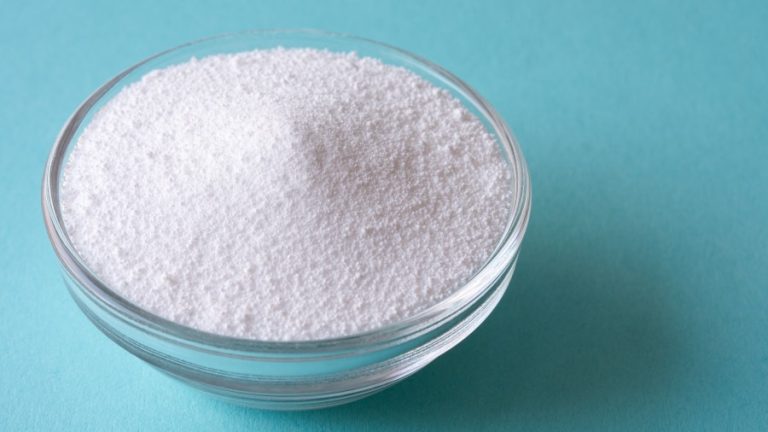
Food safety is a daily priority. Yet borax — a chemical meant for industrial use — is still illegally added to certain foods by unscrupulous vendors hoping to improve appearance, texture, and shelf life.
Borax, however, is harmful to the human body, and long-term intake may damage the liver and kidneys. Below are four everyday foods most likely to contain it — and what to look for when buying them.
1. Dried bean curd sticks (Fuzhu)
Authentic fuzhu has a pale yellow tone, a natural soybean aroma, and a soft, gentle sheen.
But if the color is unusually bright or uniform, the texture overly firm, or the bite surprisingly elastic, borax may have been added. It helps fuzhu stay intact longer and resist breaking during cooking — a “secret trick” used by dishonest sellers.
Choose products with a more natural, light color, proper labeling, and clear food safety certification.
Success
You are now signed up for our newsletter
Success
Check your email to complete sign up
2. Meatballs
Fish balls, beef balls, and pork balls are hotpot favorites. But that springy, bouncy texture isn’t always from good meat — sometimes it’s from borax.
Borax can make meatballs glossier, firmer, and resistant to breaking even after long cooking. But consuming too much may harm kidney and stomach function.
To stay safe, avoid very cheap, unpackaged meatballs. Choose well-known brands with clear labels, and don’t judge solely by appearance or volume. Natural flavor is best — “extra bouncy” is not always a good sign.
3. Cold noodles and jelly noodles (Liangpi / Liangfen)
Normally, liangpi and liangfen are soft and break easily. If what you’re buying looks unusually transparent, stretches a long way without tearing, and doesn’t break or turn mushy, it may have been treated with borax to enhance elasticity.
Buy from clean, reputable vendors. Don’t let “good texture” override food safety.
4. Dumpling wrappers and noodles
Dumpling wrappers, noodles, and hand-pulled noodles are everyday staples. But many people notice that store-bought versions feel far more elastic than homemade ones — and remain intact even after long boiling.
One possible reason is the addition of borax, which increases chewiness, shine, and firmness while preventing the dough from breaking apart.
If you see wrappers or noodles that look excessively glossy, stretch too well, or stay intact no matter how long they’re cooked, be cautious. Choose trusted brands with complete packaging and traceable origins — don’t rely solely on texture.
Food safety begins with paying attention
Food safety concerns surface all the time, but there’s no need to fear everything you eat.
The key is to develop three habits:
1. Choose reputable brands with clear production information
Low-quality or illegal products often lack proper labels and traceability.
2. Be wary of appearances that look “too perfect”
Excessive shine, bounce, or bright color may signal adulteration.
3. Eat more natural, minimally processed foods
The less processed the food, the lower the safety risks.
Borax is an industrial chemical that poses real harm to the human body.
By staying alert, choosing trustworthy brands, and avoiding overly cheap or unnaturally “springy” foods, you can avoid most risks.
Natural foods are safer. Elasticity doesn’t mean quality — and certainly not health.