By Huang Qing
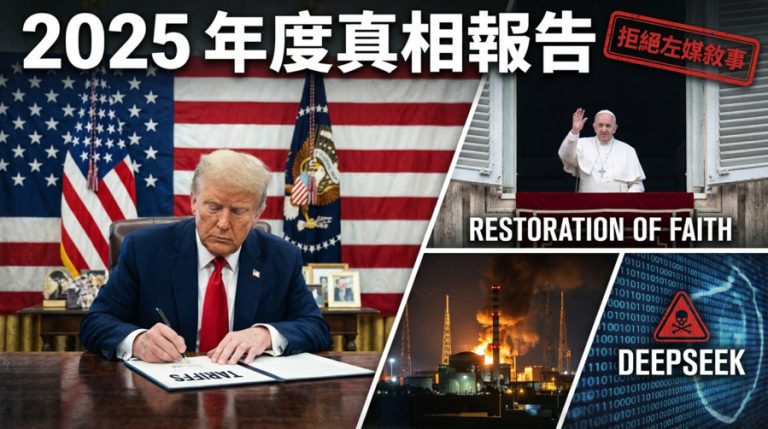
As the final sunset of 2025 approaches, a retrospective on this tumultuous year reveals something very different from the “end of the world” foretold—and in some cases celebrated—by left-leaning mainstream media outlets such as The New York Times and CNN. What instead comes into focus is a global order undergoing a painful but decisive realignment — a “Great Correction.”
While liberal commentators mourned what they called the “end of globalization,” history may record 2025 as the year common sense and strength returned to global leadership.. After four years of drift, the American ship of state found its course once more. With Donald Trump back in the White House, the Western world experienced the return of assertive leadership. Washington stopped genuflecting before competitors and once again embraced peace through strength. Decades of appeasement toward the Chinese Communist Party were cast aside, replaced by targeted and lethal economic pressure.
For years, a fragile illusion of peace—constructed by globalist elites and sustained by unilateral American sacrifice, indulgence of totalitarian China, and neglect of border security—had been treated as stability. In 2025, that illusion collapsed. In its place emerged what Trump’s return restored to Washington: common sense and power-based diplomacy.
This was the year the world saw clearly who the real paper tigers were, and who remained the true guardians of order. From Washington’s thunderous economic offensive against Beijing to precise U.S. military strikes in the Middle East; from the sudden rise of Japan’s “Iron Lady” to the restoration of conservative values at the Vatican, 2025 marked the moment the free world stopped apologizing and began pushing back.
Success
You are now signed up for our newsletter
Success
Check your email to complete sign up
What follows is a panoramic review of this historic year.
Thunder from Washington: economic sovereignty and reciprocal retaliation
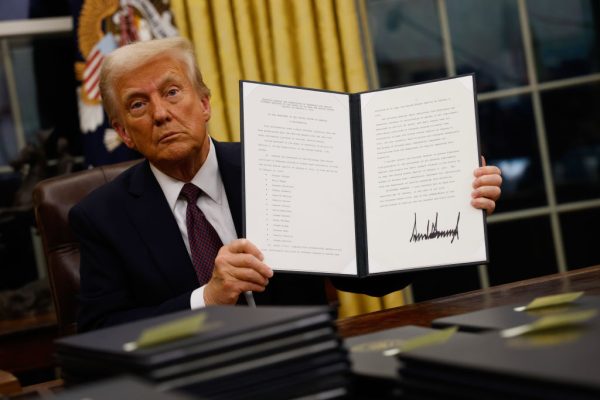
The defining narrative of 2025 began at the White House. In stark contrast to what critics described as the indecision of the Biden era, the Trump 2.0 administration demonstrated an execution speed that unsettled adversaries.
In April, President Trump signed an executive order formally launching the Reciprocal Trade Act. Its logic was unapologetically simple: if a country imposes a 100 percent tariff on U.S. goods, the United States will respond in kind.
Beijing initially assumed it could once again defuse pressure through lobbying efforts on Wall Street. This time, the strategy failed. The United States imposed sweeping tariffs on Chinese-made electric vehicles, green-energy equipment, and high-end electronics.
Although short-term price fluctuations followed, the long-term impact was unmistakable. Foreign capital accelerated its exit from China, shifting toward Vietnam, India, Mexico, and back to the United States. Chinese customs data revealed a sharp collapse in the second half of the year. Despite official attempts to project calm, factory closures across Guangdong and the Yangtze River Delta became impossible to conceal.
Some EU countries initially voiced dissatisfaction. Yet rather than relying on the WTO, the Trump administration pursued bilateral negotiations, securing new reciprocal trade agreements with the United Kingdom, Japan, and parts of the EU. A new rule emerged: access to the U.S. market required fair competition.
Power politics: strength as the path to peace
In foreign policy, Trump abandoned hollow, values-based rhetoric in favor of results-driven realism.
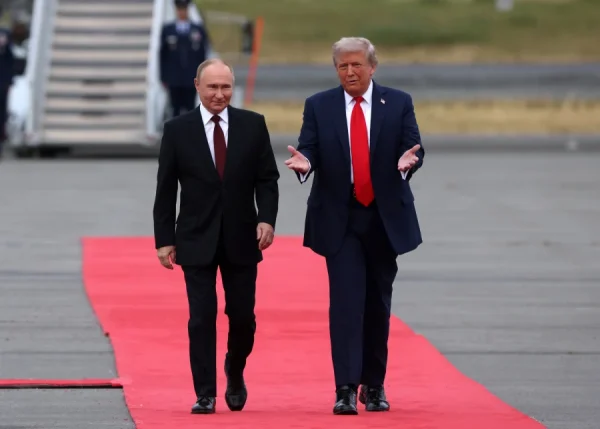
In August, he invited Russian President Vladimir Putin to Alaska for a historic summit—the most direct leader-level engagement between the United States and Russia since the Cold War. Trump proposed a ceasefire grounded in reality: freezing the conflict along existing lines of control, establishing a demilitarized zone, and shifting the financial burden of peacekeeping to Europe rather than the United States.
Kyiv strongly resisted the proposal, fearing it amounted to de facto recognition of Russian occupation. European leaders, meanwhile, privately exhausted by the conflict, continued publicly advocating war while declining to meet their own defense-spending commitments.
Although talks stalled toward year’s end and localized fighting continued, Trump’s intervention shattered the illusion of endless war as policy. He made clear that the United States would no longer bankroll a conflict with no strategic endpoint. This pressure contributed to a moderation of Russian offensives in the latter half of the year, preserving space for future negotiations.
Shockwaves in the Middle East
Early in the year, U.S. intelligence indicated that Iran was exploiting the Gaza conflict to accelerate nuclear weapons development while directing proxy attacks on American bases. The Trump administration classified these actions as acts of war.
In June, without waiting for prolonged United Nations deliberations, U.S. forces deployed B-2 stealth bombers to strike Iran’s underground nuclear facilities at Fordow and Natanz using bunker-buster munitions.
Iran’s nuclear ambitions were set back by at least a decade. While mainstream media warned of a wider regional war, Tehran responded with near silence. Its proxy forces suffered collapsing morale. By year’s end, an uneasy but tangible calm settled over the Middle East—rooted in renewed respect for American power.
A hard line in Latin America
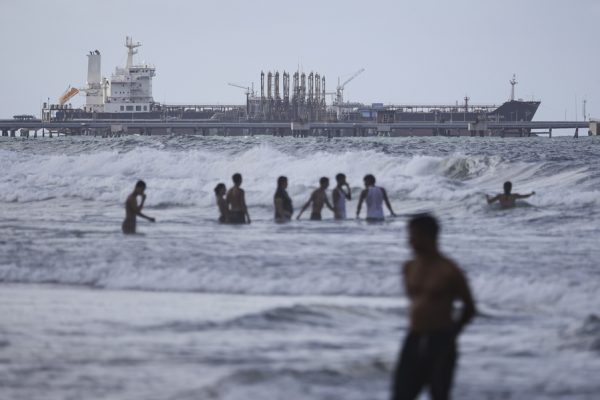
Against Venezuela’s Maduro regime, the United States moved beyond rhetoric. Beginning in August, U.S. Southern Command imposed a de facto naval blockade in the Caribbean under the banner of anti-narcotics operations, severing oil-smuggling routes and financial lifelines.
The U.S. Department of Justice announced a $50-million reward for information leading to regime figures, intensifying internal fractures and fueling persistent coup rumors. Washington sent an unmistakable message across Latin America: alignment with China and Russia would carry serious consequences.
An Asian awakening
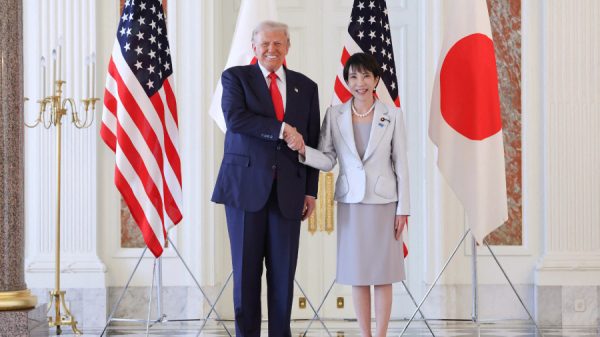
In October, Japan’s political landscape shifted dramatically when hawkish conservative Sanae Takaichi became the nation’s first female prime minister.
A close ally of Trump, Takaichi reaffirmed that a Taiwan emergency would be treated as a Japanese emergency. She declared that Japan’s Self-Defense Forces would consider exercising collective self-defense to support U.S. operations in a Taiwan Strait crisis.
China responded with fury, reinstating bans on Japanese seafood and dispatching naval vessels near Japan. Tokyo did not retreat. Defense spending increased, and deployment of U.S.-made Tomahawk missiles accelerated—signaling the emergence of a hardened East Asian security bloc.
In May, India and Pakistan engaged in their fiercest air clashes in two decades over Kashmir. Trump intervened directly, speaking with leaders on both sides and leveraging trade and aid pressure. A ceasefire was reached within 72 hours.
Hong Kong’s Tai Po inferno
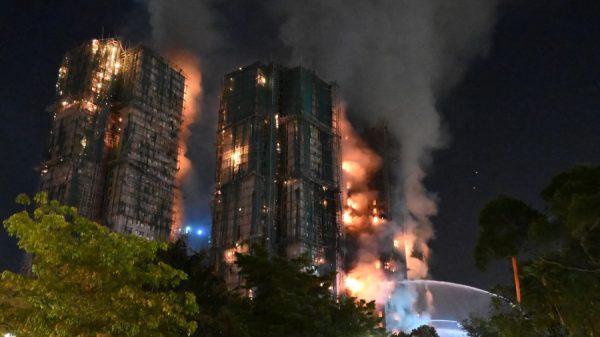
On Nov. 26, Hong Kong suffered its deadliest fire since World War II. A blaze at Hong Fuk Estate in Tai Po claimed at least 161 lives.
Investigations pointed to catastrophic fire-safety failures amid allegations of corruption and substandard construction. The tragedy became a stark symbol of Hong Kong’s decline under the National Security Law, further eroding public confidence in the city’s governance.
Faith, culture, and technology
In May, Cardinal Robert Prevost of the United States was elected pope, taking the name Leo XIV. His election was widely interpreted as a return to conservative Christian values. He emphasized traditional doctrine and adopted a firmer stance toward Beijing, declining to renew agreements viewed as harmful to underground churches.
Australia passed legislation banning children under 16 from accessing major social media platforms. Supporters framed the move as protecting minors from online harm and ideological indoctrination. Republican-led U.S. states monitored the policy closely.
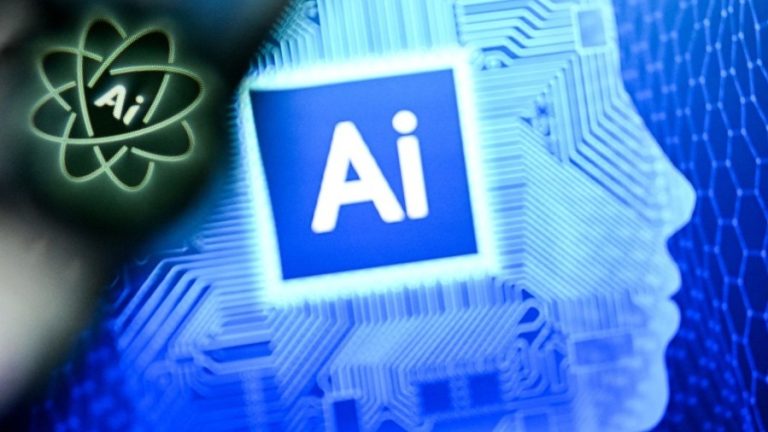
In technology, the defining trend of the year was the decoupling of U.S. and Chinese artificial intelligence development. Chinese models advanced technically but embedded strict censorship. U.S. export controls tightened, leaving Chinese firms facing severe computing shortages while deregulation fueled innovation in Silicon Valley.
Disaster and resilience
The year 2025 became notorious for aviation disasters. An Air India crash in June killed all but one of 260 people aboard. In the United States, multiple high-profile aviation accidents prompted a sweeping overhaul of the Federal Aviation Administration, with the administration pledging a return to competence-first safety standards.
In October, Paris’s Louvre Museum suffered a $100 million theft of Napoleon-era jewels, cited by critics as emblematic of Europe’s deteriorating public order.
Across Nepal, Madagascar, and Tanzania, youth-led movements drove political change. Unlike earlier protests shaped by leftist ideology, these movements focused on corruption, bloated government, and demands for market freedom and the rule of law.
Dawn of 2026
In retrospect, 2025 appears not as a year of collapse, but as one of disillusionment—and a return to reality.
Predictions that Trump’s return would ignite global war proved hollow. Instead, Iran retreated, China and Russia became reactive, and alliances tightened. Globalization did not end under tariffs; it recalibrated toward fairness. Democracy did not weaken under strong leadership; it became more secure with resolute defenders.
In 2025, America returned. In an era where strength speaks, the free world once again grasped the sword in its own hand. The year was turbulent, but such turbulence often precedes dawn. As 2026 approaches, optimism rests on one conclusion: the steering wheel is back in steady hands.