The Senate Foreign Relations Committee approved a bipartisan bill Wednesday, June 17 that would impose sanctions on individuals involved in forced organ harvesting in China, sending the measure to the full Senate.
The committee took up the bill, S. 4009, the Falun Gong and Victims of Forced Organ Harvesting Protection Act, at a 10 a.m. business meeting.
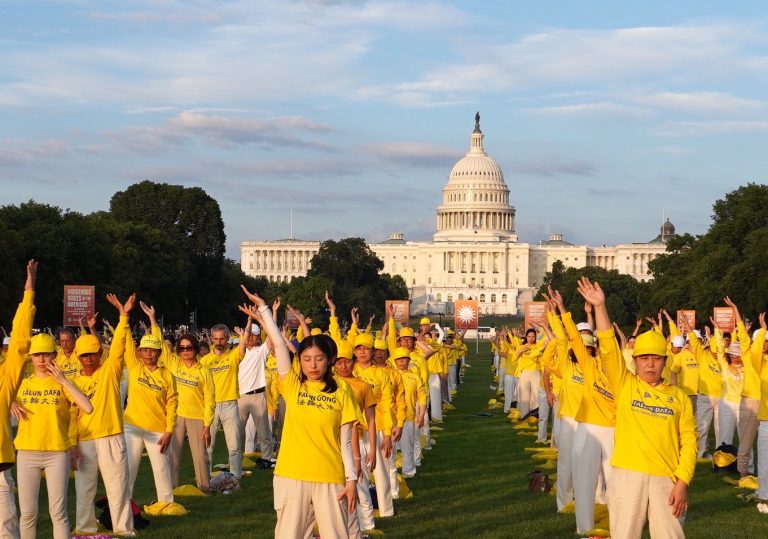
Falun Gong, a spiritual practice also known as Falun Dafa that is subject to severe repression by the Chinese Communist Party (CCP), has been identified as the main source of organs in these cases, with Uyghurs also at risk. In 2019, the independent China Tribunal in London, chaired by British barrister Sir Geoffrey Nice, concluded that organs had been taken from prisoners of conscience over a substantial period and found no evidence the practice had stopped.
Sens. Ted Cruz (R-TX) and Jeff Merkley (D-OR)., introduced the bill in March, and it has since gained co-sponsors from both parties, among them Sens. Adam Schiff (D-CA), and Todd Young, (R-IA). The House passed a similar bill, the Stop Forced Organ Harvesting Act, by a 406-1 vote in May 2025.
Under the bill, the president would have to identify foreign nationals who knowingly took part in or helped carry out forced organ harvesting in China and impose penalties on them. Anyone named would be blocked from doing business with U.S. citizens and companies, have any U.S. property frozen, lose any current visa and be denied entry to the country.
- Congressional Commission Holds Hearing on Forced Organ Harvesting in China as Trump Meets Xi
- China’s Surge in Teen ‘Brain Death’ Cases Renews Fears of Live Organ Harvesting
Success
You are now signed up for our newsletter
Success
Check your email to complete sign up
The measure would also direct the State Department, along with the Department of Health and Human Services, the National Institutes of Health and the intelligence community, to report on China’s organ transplant system. The report would have to state whether the CCP runs a systematic organ-harvesting program and, where it does, whether the conduct amounts to an atrocity.
Lawmakers amended the bill Monday (June 15), adding a section that lays out persistent concerns about organ harvesting and what the bill describes as Beijing’s failure to give a full and verifiable account of its transplant system. The new language cites the State Department’s 2023 report on international religious freedom and a New York City Bar Association review that found substantial evidence of organ harvesting from prisoners of conscience.
“I hope we can really increase world awareness of this terrible practice,” Merkley told reporters after the vote. He cited a recent hearing he led, at which witnesses described detainees from persecuted groups vanishing from custody, and called the killing of people for their organs one of the worst abuses anywhere.
The bill now goes to the Senate’s legislative calendar. Senate Majority Leader John Thune (R-SD), sets the floor schedule and decides whether and when to bring it up for a vote. If the Senate passes the bill, it would then have to clear the House and be signed by the president before becoming law.