By Tian Jingxin
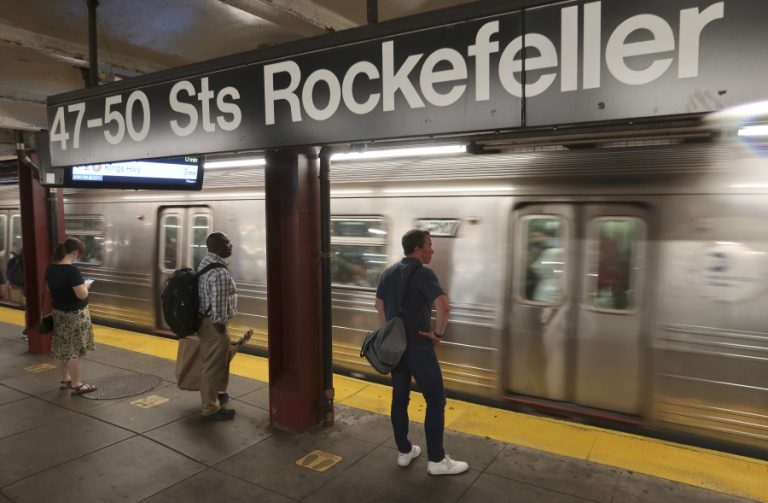
The Metropolitan Transportation Authority (MTA) will fully implement its 2026 adjustments to transit fares, bridge and tunnel tolls, and ticketing policies starting Jan. 4, 2026. The changes cover multiple transportation services, including New York City subways and buses, the Long Island Rail Road (LIRR), Metro-North commuter rail, and MTA-managed bridges and tunnels. According to the MTA, the fare and toll adjustments aim to keep pace with inflation, simplify ticketing policies, enhance passenger value, and provide the necessary funding to improve services and maintain system operations.
Under the new fare policy, the base fare for New York City subways, local buses, and the Access-A-Ride service will increase from $2.90 to $3.00, while reduced fares will rise from $1.45 to $1.50. Notably, the MTA’s previously introduced 7-Day Rolling Fare Cap will become permanent: after paying for the first 12 rides within any seven-day period, all subsequent rides are free. Under this cap, each full-fare passenger will pay no more than $35 per week (reduced-fare passengers up to $17.50).
Additionally, the base fare for Express Buses will rise from $7.00 to $7.25, and reduced fares from $3.50 to $3.60. The fare cap also applies here, with a combined weekly maximum of $67 for Express Bus, subway, and local bus rides.
Single-ride ticket prices will increase from $3.25 to $3.50. The MTA reminds riders that as MetroCard is gradually phased out in 2026, the issuance fee for the new OMNY card will rise to $2.
Success
You are now signed up for our newsletter
Success
Check your email to complete sign up
For commuter rail, LIRR and Metro-North monthly and weekly passes will increase by up to 4.5 percent, while other ticket types, including single-ride tickets and CityTicket, will rise by up to 8 percent.
Simplifying ticketing and improving flexibility
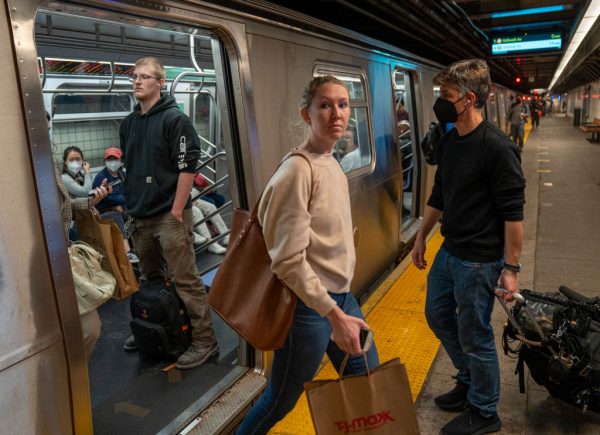
To simplify ticketing and improve flexibility, the MTA is introducing a “Day Pass” to replace traditional round-trip tickets. The new Day Pass is valid from the day of purchase until 4 a.m. the following day, costing less than two Peak single-ride tickets during weekday rush hours and the same as two Off-Peak single-ride tickets on weekends.
At the same time, the MTA will eliminate the traditional 10-Trip ticket and replace it with a mobile-based “pay-as-you-go discount”: after completing 10 rides within 14 days, the 11th ride is free, with no prepayment required.
For families, children aged 5 to 17 traveling with a paying adult can enjoy a $1 family fare, including during weekday morning peak hours.
All MTA-managed bridge and tunnel tolls will increase by 7.5 percent, applicable to E-ZPass and Tolls by Mail payment methods. The MTA confirmed that existing discount programs for residents of Queens, the Bronx, and Staten Island will remain in place.
With the implementation of the new fare system, the MTA is gradually phasing out MetroCard and fully promoting the OMNY contactless payment system, which supports credit cards, smart devices, and OMNY physical cards for quick tap-and-go travel. The MTA emphasizes that this transition will improve the travel experience and, combined with the new fare cap, provide greater value for frequent riders.
For regular passengers, the changes mean a moderate increase in base fares and more flexible fare-capping, along with several new ticketing options designed to improve convenience. For drivers, the higher bridge and tunnel tolls are considered part of the shared cost supporting public transit investment.
While the MTA states that these adjustments will help control long-term operating costs and improve overall service, some passengers and community members have expressed concerns about fare increases and changes to payment methods. The full impact of the new policies will become apparent after implementation.