By Tian Jingxin
With extreme Arctic cold set to sweep across much of the United States, U.S. natural gas prices have surged sharply in recent days, capturing the attention of both markets and households. With frigid conditions expected to sharply boost heating demand, natural gas futures have soared within just a few days, becoming a focal point of both energy and financial markets.
According to The Wall Street Journal, U.S. natural gas prices have jumped by about 63 percent so far this week. February-delivery natural gas futures briefly rose to around USD 5.045 per million British thermal units (MMBtu), reaching a recent high. Analysts say the rally is primarily driven by what is expected to be the coldest and most widespread snow-producing weather event in years, with a sudden surge in winter heating demand directly pushing prices higher.
Weather forecasts indicate that the cold wave will affect a broad region from Texas to the Great Lakes, with the U.S. Midwest and East likely to experience several consecutive days of sub-freezing temperatures. Because extreme cold can strain energy systems, energy authorities have urged grid operators to prepare in advance for emergencies—particularly to guard against “freeze-offs” in natural gas production or equipment damage that could disrupt supply.
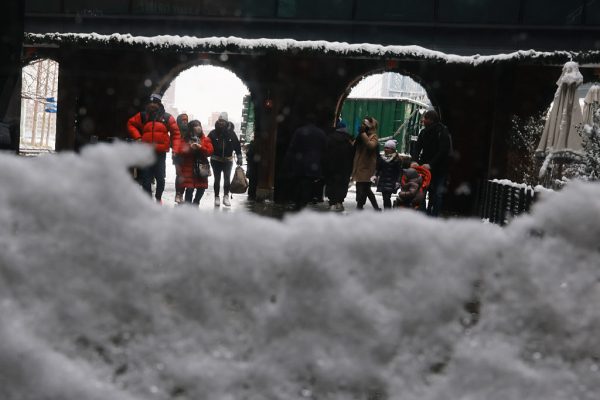
Cold snap driving demand
Market monitoring agencies note that the cold snap is driving a broad increase in natural gas demand. Residential heating needs are rising, while commercial heating and power-generation demand are also increasing. The rapid surge in demand is putting pressure on the supply chain, accelerating inventory drawdowns and intensifying market anxiety.
Success
You are now signed up for our newsletter
Success
Check your email to complete sign up
From a financial market perspective, natural gas futures are being influenced not only by temperature expectations but also by speculative activity that has further propelled prices upward. According to Bloomberg, natural gas prices climbed about 75 percent within three days, reaching their highest level since 2022, partly because traders were forced to cover short positions amid the rapid market move.
At the same time, other analysts point out that this extreme cold contrasts sharply with earlier price trends. Previously, market sentiment had been weak due to expectations of a mild winter, keeping prices depressed. As forecasts shifted to show cold air moving south, prices rebounded quickly, breaking several weeks of sluggish performance.
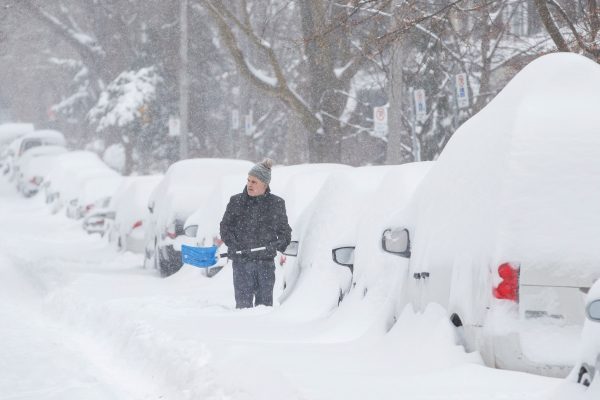
Short-term impact to be delayed
Despite the sharp rise in natural gas futures, the short-term impact on household heating bills may be delayed. Some market observers note that retail natural gas prices typically lag futures market movements, meaning many households may not see immediate changes in their bills. However, if the cold snap persists and inventories continue to be drawn down, the impact of higher prices on energy costs for the remainder of the winter could gradually become more apparent.
On the supply side, extreme cold may also place additional stress on production infrastructure. In producing regions of southern states, freezing rain and extremely low temperatures could cause pipelines to ice over or even disrupt production, further heightening market tension. While improvements such as expanded solar power, battery storage systems, and winterized equipment have helped, they are being put to new tests under extreme weather conditions.
In addition, the latest data from the U.S. Energy Information Administration (EIA) show that natural gas inventories have recently fallen below the historical average, with stocks being drawn down rapidly during the heating season. This further supports expectations of higher prices. If inventories drop below normal seasonal levels, the market may require even higher prices to rebalance supply and demand.