By Yang Longfei, Vision Times
For many people, their first encounter with martial arts comes through film and television. Movies, television series, and animation open a window into the world of kung fu by shaping public curiosity and admiration. But at the same time, they also quietly construct expectations — and misunderstandings — about what martial arts truly are.
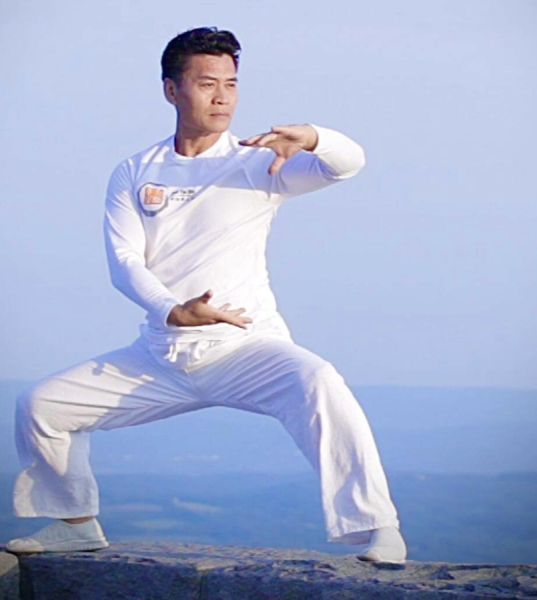
My own relationship with martial arts did not begin on a screen. It grew out of stories, martial arts novels, family-inherited traditions, and training within regional martial arts teams. Life was simpler then, and it was easier to focus on one pursuit. Martial arts were not a performance but a daily discipline — a way of life rather than something meant for the silver screen.
RELATED: Preserving the Heritage of Chinese Martial Arts: The Method of Master Yang Longfei
Because of that background, I have always approached martial arts films with both appreciation and caution: Admiration for the artistry, and scrutiny for what they choose to emphasize or omit.
The evolution of martial arts in film
Success
You are now signed up for our newsletter
Success
Check your email to complete sign up
Chinese martial arts cinema has a long and layered history. In the 1920s, films such as “Burning of the Red Lotus Temple” laid the groundwork for the genre. These early works drew heavily from traditional opera, emphasizing the supernatural, folklore, and exaggerated movement. Martial arts functioned primarily as spectacle, closer to legend than lived experience.
A major shift occurred around 1949 with the rise of the Wong Fei-hung series in Hong Kong cinema. These films introduced audiences to more authentic Southern Fist techniques and martial ethics, presenting kung fu as something intelligible and believable. For the first time, martial arts on screen felt grounded in reality.
The 1970s marked a turning point with the emergence of Bruce Lee. Films such as “Fist of Fury” and “Enter the Dragon” propelled Chinese kung fu onto the global stage and turned “kung fu” into an international term. Bruce Lee’s impact came from stripping away myth; his martial arts emphasized speed, power, explosiveness, and spirit rather than fantasy.
In the 1980s, Jet Li’s “Shaolin Temple” became a cultural phenomenon both in China and abroad. Its success rested on the actor’s genuine martial arts foundation. The movements were clean, restrained, and powerful, closely linking kung fu with discipline, self-cultivation, and daily practice. For many, it became a defining model of “real kung fu.”
Does ‘real kung fu’ exist on screen?
The answer is yes, but not in the same form as it exists in real life. Martial arts in film and television generally fall into two categories.
Realistic presentations grounded in authentic martial arts rely on performers with real training. Movements are based on genuine principles and then refined for cinematic clarity. Examples include “Shaolin Temple,” “Martial Arts Chronicles,” Bruce Lee’s “Game of Death,” “Ip Man,” and “The Grandmaster.” These works emphasize physical conditioning, fundamentals, and logical technique, bringing audiences closer to the true nature of martial arts.
RELATED: From Hua Tuo to Shaolin: The Deep Roots of Medicine and Kung Fu in China
Expressionist and visually spectacular portrayals, by comparison, lean into exaggeration made possible by modern technology. Flying through the air, shattering stone with a single palm, fighting hundreds alone, invulnerability, and mystical powers all heighten visual excitement, but clearly depart from reality.
Neither approach is inherently right or wrong. The distinction lies in intent: one remains closer to martial discipline, the other prioritizes cinematic imagination.
What genuine kung fu looks like
In traditional martial arts, there is an old saying: “Real kung fu is ugly kung fu, skillful moves.” Effective kung fu is rarely beautiful. It grows out of repetition, monotony, and endurance. Long hours of stance training, drilling footwork, breaking down movements, sparring, and refining fundamentals — day after day, year after year.
“One minute on stage, ten years of practice off stage” is not a metaphor; it is a reality. Film and television can rely on editing and special effects. Martial arts cannot bypass the process.
Film and television have undeniably played a positive role in spreading martial arts. They offer an accessible entry point and help transmit core values such as making friends through martial arts, respecting teachers, upholding justice, loyalty, patriotism, and the broader spirit of martial virtue.
At the same time, there are risks. Excessive mythologizing creates fantasies of secret manuals, invincibility, and effortless mastery. Violence is often stylized and rationalized, blurring moral boundaries. For younger audiences especially, this can distort expectations, pulling martial arts away from discipline, self-restraint, and real-world responsibility.
When kung fu is reduced to magic and killing sprees, it loses its educational purpose and drifts far from its origins.
Lost in translation
Popular Hollywood works such as “Kung Fu Panda” deserve recognition — not for realism, but for cultural understanding. By combining Eastern philosophy with Western storytelling, the film uses kung fu as a narrative framework to explore self-discovery, perseverance, and belief in inner potential.
The idea of “a hidden dragon in the abyss” reminds audiences that true strength comes from within, not from mystical abilities. Kung fu, at its core, is not merely physical technique but character cultivation. Peace, compassion, and harmony between humanity and nature have always been central to martial arts culture.
Martial arts in film and television are, ultimately, artistic interpretations of real practice. Earlier works leaned toward authenticity and rooted tradition, while contemporary productions often favor spectacle and entertainment.
Screen kung fu can inspire, but it can never replace the real path of training. True martial arts do not live in slow-motion shots or dramatic poses. They live in early-morning sweat, late-night solitude, and years spent refining a single stance or movement. That is where kung fu truly takes root.