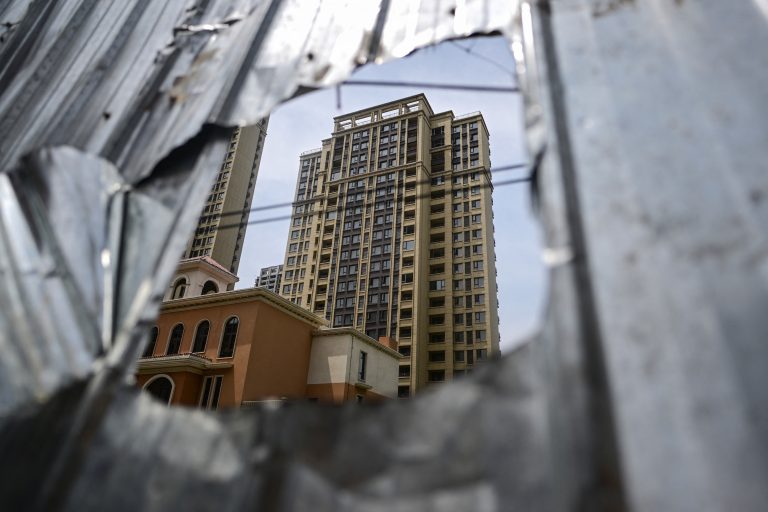
New developments in the case against Evergrande founder Xu Jiayin have drawn renewed attention to the company’s financial collapse, its sprawling debt structure, and its connections within China’s official and financial circles.
On April 13–14, a court in Shenzhen heard proceedings related to Evergrande and Xu, who faces multiple charges, including illegal fundraising, fraudulent issuance of securities, fraud and bribery. Evergrande’s debt, which is estimated at a staggering 2.4 trillion yuan (over USD $300 billion), has been at the center of public scrutiny since the company’s default triggered a broader crisis in China’s sputtering property sector.
RELATED: Evergrande Founder Xu Jiayin Faces Trial on Multiple Charges of Fraud, Corruption
Following the money
A report by NPR outlined several major channels through which Evergrande’s funds were reportedly allocated. One of the most significant was shareholder payouts. Over the years following Evergrande’s public listing, Xu and his family reportedly received more than 50 billion yuan in dividends. The report also noted the establishment of offshore family trusts valued at billions of dollars.
Another major factor was the company’s aggressive diversification strategy. Investments in sectors such as electric vehicles, bottled water, and professional sports resulted in substantial losses. For example, Evergrande’s automotive venture reportedly absorbed tens of billions of yuan without achieving large-scale production.
Success
You are now signed up for our newsletter
Success
Check your email to complete sign up
Financing costs also played a critical role. Heavy reliance on high-interest borrowing is estimated to have consumed hundreds of billions of yuan in interest payments alone. In addition, reports highlighted significant spending on luxury assets, including overseas properties, vehicles, and private aviation.
Political and financial ties
The case has also brought attention to alleged relationships between Evergrande and officials across various regions and sectors. Authorities have accused the company of engaging in corporate bribery, while past investigations have implicated multiple officials in related cases.
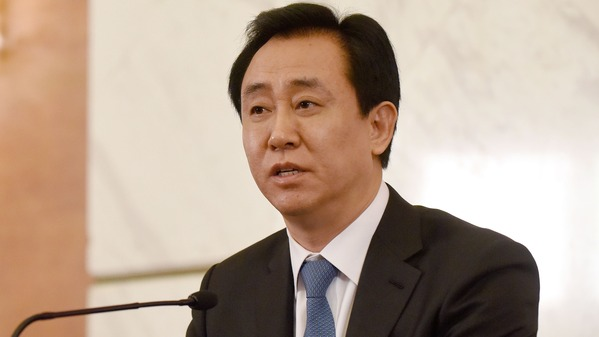
In Hainan Province, a large-scale island development project backed by Evergrande was later criticized for environmental damage and financial mismanagement. A former local official involved in project approvals was convicted of corruption. In northeastern China, Evergrande’s expansion into financial institutions, including a major regional bank, drew scrutiny after the company’s collapse left significant liabilities.
Other cases cited in media reports involve former officials in provinces such as Guizhou and Guangdong, as well as individuals in the financial sector. Several former executives at major banks have been investigated or sentenced in recent years, with some cases reportedly linked to large-scale lending to property developers.
A tangled web
Some analysts have suggested that Evergrande’s rapid expansion was supported by extensive networks across political and financial systems, though the full scope of these relationships remains unclear. Commentary from independent observers has also pointed to possible connections between Xu’s case and other high-profile investigations, though such claims have not been officially confirmed.
Online discussions have reflected a mix of skepticism and concern, with some users questioning whether the case signals deeper systemic issues in governance and oversight. Unverified accounts circulating on social media have described details of Xu’s detention in 2023, including claims of a coordinated operation to restrict access to his staff before he was taken into custody. While these reports have gained attention online, they have not been independently verified.
Official disclosures at the time stated only that Xu had been placed under compulsory measures on suspicion of criminal activity.
Separate reports have also examined Xu’s personal lifestyle and corporate management practices, describing high levels of executive spending and the use of complex financing structures, including private jets and other luxury assets. Some accounts allege that corporate resources were used to support personal expenditures, though details vary across sources. These reports have contributed to public debate over corporate governance and accountability in large private enterprises.
Ongoing questions
As the case proceeds, questions remain about the full extent of Evergrande’s financial practices and its connections within broader institutional networks.
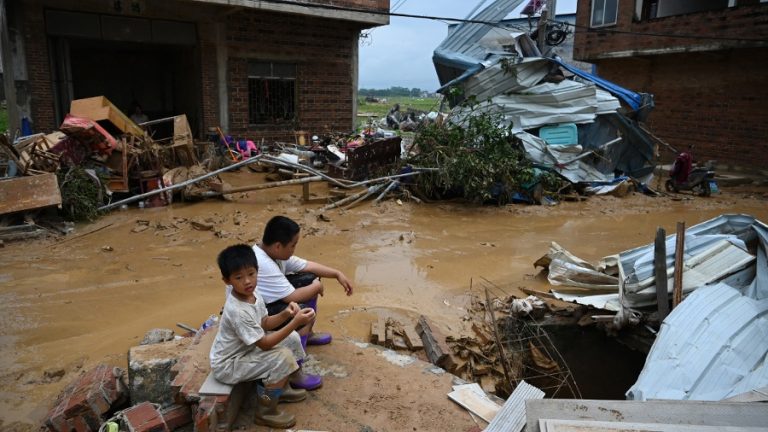
The collapse of Evergrande has already had far-reaching consequences, leaving unfinished housing projects across multiple regions and affecting millions of buyers. For many, the case underscores the risks associated with highly leveraged growth and the challenges of oversight in complex financial systems.
Further developments in Xu Jiayin’s trial are expected to shed more light on the mechanisms behind one of the largest corporate crises in China’s recent history.
Editorial note: This article is based on publicly circulating reports and commentary from independent analysts. The claims described have not been independently verified by Vision Times, and relevant authorities have not publicly confirmed the allegations.