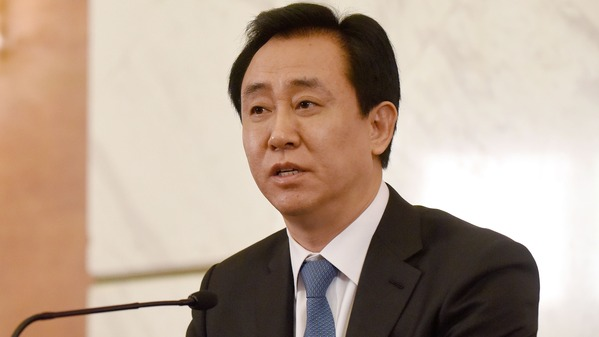
The long-delayed trial of Xu Jiayin, founder of China Evergrande Group, has entered the public phase, with Chinese authorities formally charging him with eight criminal counts tied to one of the country’s most consequential corporate collapses.
According to state broadcaster China Central Television, proceedings were held on April 13–14 at the Shenzhen Intermediate People’s Court. The case encompasses allegations against Evergrande Group, its subsidiary Evergrande Real Estate, and Xu personally, including illegal absorption of public deposits, fundraising fraud, unlawful loan issuance, fraudulent securities issuance, illegal use of funds, failure to disclose critical information, embezzlement, and corporate bribery.
During the hearing, Xu pled guilty to the charges, with a verdict set to be announced at a later date. Legal observers say the scale of the charges could carry severe penalties. As one lawyer noted, “Eight charges, especially fundraising fraud, involve extremely large sums, with a statutory penalty that could include life imprisonment. With combined sentencing, a life term is highly likely.”
RELATED: Chinese Economy Hit as Construction Giant Puts Entire Workforce on Unpaid Leave
Delayed proceedings
The timing of the trial, years after Evergrande’s financial crisis first erupted, has prompted speculation among commentators. U.S.-based analyst Cai Shenkun said, “Xu Jiayin has been detained for years, and only now are multiple charges being announced… How many years will he be sentenced? Will it be 20 years or life imprisonment? And how those officials he implicated will be handled is also worth watching.”
Success
You are now signed up for our newsletter
Success
Check your email to complete sign up
Du Wen, a former Inner Mongolia official now living in Europe, noted, “Xu Jiayin has confessed fully in court and expressed remorse. It appears he has been completely subdued. A life sentence seems almost certain.”
Canada-based commentator Wenzhao noted that the trial consolidates multiple cases: “The case has finally gone to trial, suggesting that agreements may have been reached regarding the recovery of overseas assets, as well as the handling of connections with numerous officials. The outcome may soon become clear.”
Fallout from the property crisis
Online reactions have been sharply divided, with many focusing on broader systemic issues rather than Xu alone. Some questioned whether penalties would ultimately be transparent or consistent. Others pointed to perceived disparities in enforcement, while still others speculated about the role of political connections behind the scenes.
A recurring theme in public commentary has been accountability. One widely shared sentiment asked: if the property market had remained strong, would Xu still be viewed as a “prominent entrepreneur”? And beyond individual responsibility, who should bear the consequences for the broader housing crisis?
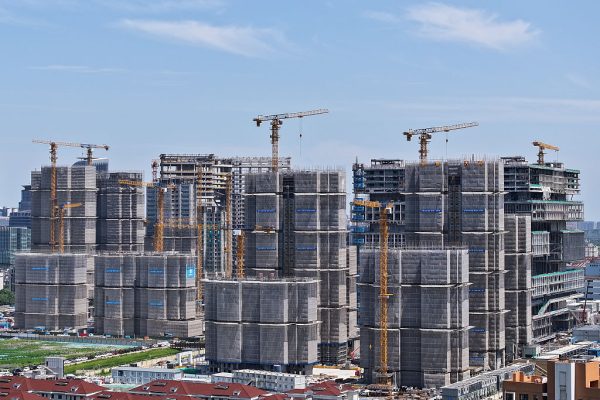
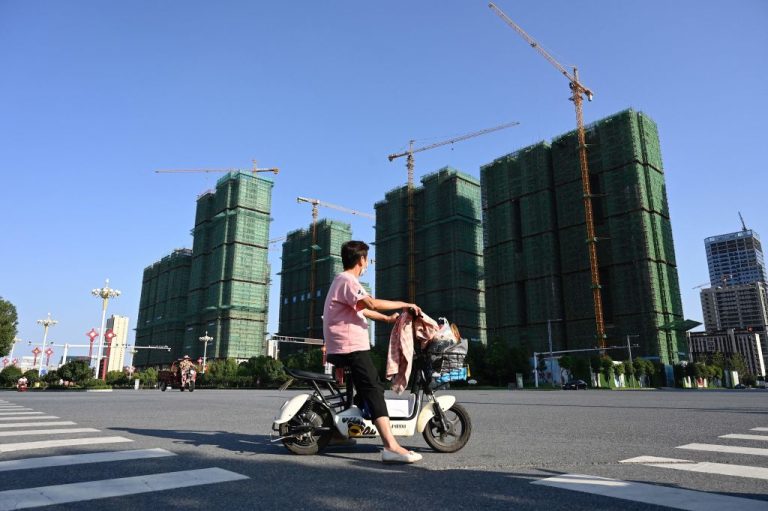
The collapse of Evergrande has had far-reaching consequences, particularly for homeowners. Numerous projects stalled during the company’s liquidity crisis, leaving buyers with unfinished properties and mounting financial burdens. Many families, having committed life savings and long-term mortgages, now face uncertain outcomes.
Online, some homeowners expressed frustration and distress over falling property values and incomplete developments. Others highlighted the broader financial impact, including losses tied to Evergrande’s wealth management products.
The company’s ambitious expansion into sectors such as electric vehicles also drew scrutiny. After significant investment, the division produced only limited output, leaving substantial debt in its wake.
Broader political developments
The case has also drawn attention due to its potential connections to recent political developments. In early April, Ma Xingrui, a senior official and former party secretary of Xinjiang, was formally removed from his position following months of speculation. Some analysts have suggested that investigations tied to Evergrande may intersect with broader inquiries involving other high-ranking officials.

Commentator Du Zheng, writing in Taiwanese media, cited sources indicating that after Xu’s detention, he provided information implicating a number of officials, including Ma. While such claims remain unverified, they have fueled discussion about possible links between corporate and political accountability.
Historical ties between the two figures have also been noted. In 2015, Ma, then a senior official in Guangdong, met with Xu during a period when Evergrande was expanding its operations in Shenzhen.
Systemic implications
Evergrande’s rise and collapse have become emblematic of deeper structural challenges within China’s property sector. Analysts note that the crisis reflects a combination of high leverage, rapid expansion, and regulatory gaps that contributed to a broader real estate bubble. As the sector contracts, the impact continues to ripple across financial markets, local governments, and households.
The trial is being closely watched not only as a legal proceeding but also as a potential indicator of how authorities address accountability within the system. But for many observers, the central question remains: To what extent will responsibility be assigned beyond the corporate level?
As the court prepares to deliver its verdict, the case underscores the intersection of business risk, regulatory oversight, and public trust in one of the world’s largest economies.