As the U.S.–Iran ceasefire approaches expiration, uncertainty over whether a new round of peace talks will take place continues to rise. U.S. Vice President JD Vance, who was originally scheduled to lead the U.S. delegation to Pakistan for negotiations, had still not left Washington as of Tuesday, April 21. Iran has also not decided whether to participate, further tightening the situation.
According to AFP, Vance had not departed as of Tuesday afternoon. A U.S. official said the White House was holding additional policy meetings requiring the vice president’s participation, which led to a temporary delay in his travel.
Meanwhile, according to ABC News, Iranian Foreign Ministry spokesperson Esmaeil Baqaei said Tehran has not made a final decision on whether to take part in the talks. He accused the U.S. of sending “contradictory messages” and taking “unacceptable actions,” which he said are key reasons for the current deadlock.
With the outlook for negotiations unclear, both sides are accusing each other of violating the ceasefire. The U.S. previously announced a blockade of Iranian ports, while Iran responded by re-closing the key energy passage, the Strait of Hormuz, further escalating regional tensions.
Pakistan, acting as a mediator, is intensifying last-stage diplomatic efforts. Foreign Minister Ishaq Dar called on both sides to extend the ceasefire to allow more time for dialogue. Information Minister Attaullah Tarar said Pakistan has not yet received a formal response from Iran regarding participation, noting that the decision is critical as the ceasefire enters its final countdown.
Success
You are now signed up for our newsletter
Success
Check your email to complete sign up
According to CNBC, Mohammad Bagher Ghalibaf, Iran’s parliament speaker and chief negotiator, said Iran will not accept talks “under the shadow of threats” and warned that if war resumes, Tehran would “reveal new cards” on the battlefield.
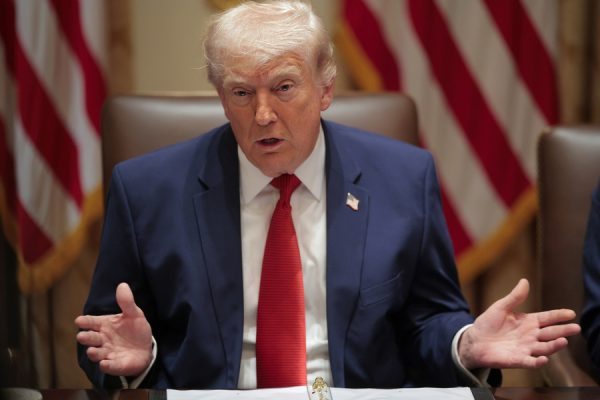
Trump warns: If no deal, bombing of Iran will resume
At the same time, U.S. President Donald Trump expressed confidence in the negotiations while also issuing a hardline warning. He said the U.S. is in a “very strong” negotiating position and believes a “good deal” can ultimately be reached, but if the ceasefire expires, “a lot of bombs will start exploding.”
In a phone interview with CNBC’s “Squawk Box” on Tuesday morning, Trump said: “I expect there will be bombing because I think that’s a better posture.”
He added that U.S. forces are fully prepared and “raring to go,” describing them as “absolutely incredible.”
He also stated that the blockade of Iranian ports would not be lifted before a deal is reached. When asked whether a ceasefire extension might be considered if talks begin and make progress, Trump said he is “not inclined to do that,” adding, “we don’t have that much time.” He noted that if both delegations arrive in Islamabad before the ceasefire expires, the window for negotiations would be very limited.
Trump said that if Iran and the U.S. reach an agreement, Iran would be “in a very favorable position” and could even return to being “a strong and beautiful country.” However, he also criticized Iran’s leadership as “tough and aggressive.”
Regarding possible military action, Trump said that strikes on Iran’s bridges and power infrastructure would significantly damage its military capabilities, as these facilities are used to transport weapons and missiles. He added that both sides are using the ceasefire period to replenish supplies.
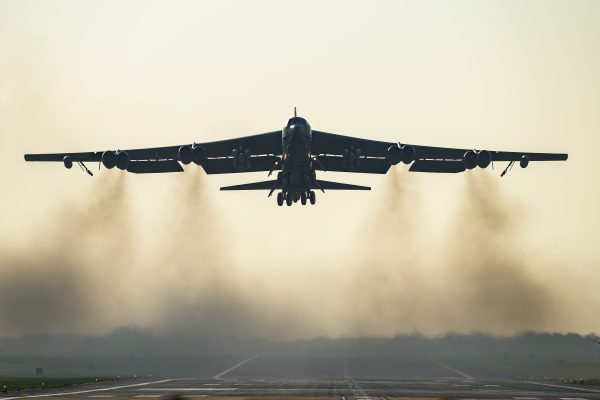
Military actions escalate as tensions rise on multiple fronts
On the military front, U.S. operations continue to intensify. The U.S. Department of War said Tuesday that American forces intercepted and boarded a “stateless and sanctioned” vessel as part of efforts to target networks linked to Iran. Sources said the ship was connected to Iranian activities.
Analysts say Iran’s ambiguous stance on participation is a way to pressure Washington. Daniel Byman of the Center for Strategic and International Studies said the confrontation has shifted from pure military deterrence to a contest of “political endurance and bargaining leverage.”
Despite tensions, markets still hope for a diplomatic resolution. On Tuesday, global oil prices fell and stock markets rose, suggesting investors are still betting on de-escalation through negotiations.
In Islamabad, where talks may take place, security has been significantly tightened. Heavily armed police and soldiers have sealed off government areas, including the Serena Hotel, which hosted previous rounds of talks. Guests have been asked to evacuate. Citywide security has increased, and government agencies, businesses, and schools are preparing for possible disruptions.
Meanwhile, developments have emerged on another Middle East front. U.S. State Department officials said Israel and Lebanon will hold a new round of talks in Washington on Thursday. The two sides had previously agreed to a 10-day ceasefire, but conflict has not fully subsided.
On Tuesday, the Israeli military said Hezbollah fired multiple rockets at Israeli forces in Lebanon, prompting Israeli strikes on launch sites. Lebanese official data indicates that Israeli operations have caused at least 2,454 deaths since the conflict began.
Separately, living conditions inside Iran continue to deteriorate. Several Tehran residents said that despite the nominal ceasefire, life has become even more difficult under government pressure and the impact of war, with some saying they see no hope ahead.