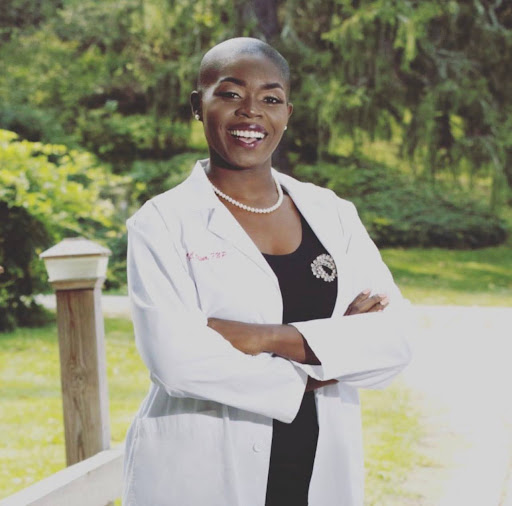
Growing up without a father figure can leave emotional wounds that follow a person for years. For many young people, those experiences can create feelings of loneliness, rejection, and uncertainty about their own worth. For Hudson Valley resident and healthcare professional Tierra Oliver, those struggles became deeply personal—and eventually became the foundation for a mission to help others heal.
Oliver is the founder of Fatherless Yet Fabulous (FYF), a mentoring movement created to support youth affected by fatherlessness. Through its nonprofit sister organization, Fabulous Futures, she hopes to provide resources, support systems, and opportunities that remind young people that difficult circumstances do not determine their future.
Turning pain into purpose
Oliver said the inspiration for Fatherless Yet Fabulous came from one of the most painful experiences of her life—losing her father when she was 17.
“It was inspired out of my own journey with losing my father at 17 years old,” Oliver said. “After he died, I was really navigating trauma and brokenness and loneliness.”
She explained that after her father’s death, she struggled with trying to make her own life and family feel complete again.
Success
You are now signed up for our newsletter
Success
Check your email to complete sign up
“Hurt people attract hurt people,” she said. “I became a single mom, and my daughter really inspired me to keep going, deal with the pain, push forward, and help other people too.”
As she reflected on her own experiences, she began thinking about children and teenagers dealing with similar feelings.
“People that are fatherless, whether their father is deceased, incarcerated, or maybe he’s in the home but emotionally unavailable—the ramifications of those effects are lifelong many times,” she said.
Instead of allowing those experiences to remain private pain, Oliver asked herself a question: “How can I help?”
That question eventually became Fatherless Yet Fabulous.
Creating a safe space for youth
The program started simply.
“We started off with just a couple of girls together,” Oliver recalled. “We did photo shoots, got ice cream together, talked together—a safe space.”
The early gatherings focused on connection and belonging rather than formal programming. As interest grew, Oliver realized the mission needed a broader structure.
Fatherless Yet Fabulous remains a for-profit entity connected with her book, Fatherless Yet Fabulous: A Reflection to a Better You, while Fabulous Futures serves as the nonprofit arm dedicated to youth outreach and programming.
Among its developing initiatives are virtual support spaces and STEM tours at Touro University.
“We want to teach students that no matter what you’ve been through, no matter where you’ve been, no matter who you don’t have, you can still make something of your life,” Oliver said. “Because if you’re here, it’s for a purpose.”
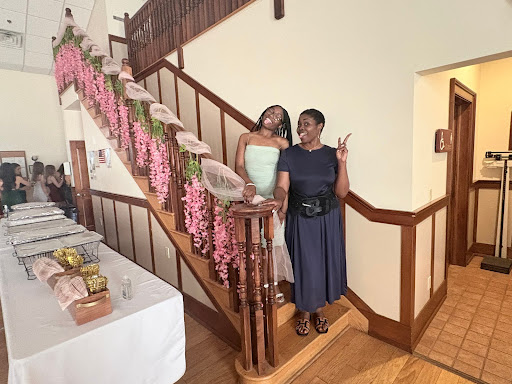
Teaching self-worth and self-awareness
The organization’s six-week research-based curriculum begins with one central concept: self-awareness.
According to Oliver, many fatherless children quietly internalize painful messages.
“A lot of times it becomes the same thing: He’s absent because he doesn’t want me, because I’m not good enough,” she explained. “We want the youth to know that that’s not true.”
Participants are encouraged to identify their emotions and understand that their value exists independently of their circumstances.
“You need to be able to say, ‘I feel insecure. I feel like I don’t belong. I feel less than,’” Oliver said. “You need to be able to realize that about yourself.”
The curriculum also includes grief processing, self-esteem development, mental health awareness, and strategies for overcoming feelings of rejection and abandonment. Oliver said the organization is also collaborating with Beyond the Grief to help provide grief counseling services and additional support resources for participants and families.
“Healing is possible,” Oliver said. “You may always have that wound, but it doesn’t have to be infected.”
The power of community and hope
Oliver repeatedly emphasized the importance of community support in a child’s healing process.
“It doesn’t have to be your child for you to show love,” she said. “It doesn’t have to be your child for you to create a warm space of belonging.”
She believes even small acts of support can make a meaningful difference.
“If they know they have you in their Rolodex to call, that means something,” she said.
Oliver also credits her faith as a major source of strength in her own healing journey.
“Without God, I am nothing,” she said. “He is the source of my strength, my foundation, my reason—my everything.”
Looking ahead, Oliver hopes to expand STEM tours, strengthen community partnerships, and eventually gain sponsorship support for youth programs.
“I’m not looking to form this big fancy nonprofit,” she said. “One or two kids a year—I’m okay with that. I just want you to know that you matter.”
For Oliver, that message remains at the heart of everything she does: helping young people see that while pain may be part of their story, it does not have to write the ending.
This is a paid promotion.