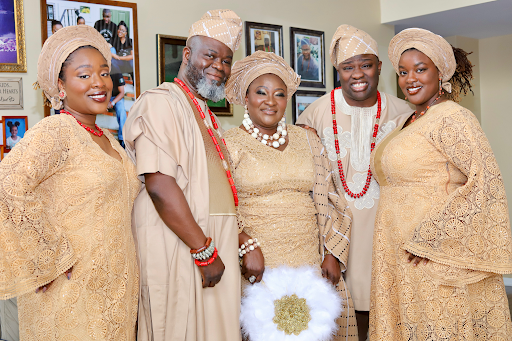
Ayobami Akinyemi Olusa is a registered nurse, mother of three, mentor, and longtime business owner. But more than 20 years ago, her life changed when her middle child was diagnosed with autism.
“My name is Ayobami Olusa. I’m a mother, I’m a wife, I have three beautiful children, and I’m a registered nurse,” she said. “I like to mentor women and help women step into a greater version of themselves.”
Olusa said her son appeared to develop normally during his early years.
“He met all his milestones,” she recalled. “Before three, he was verbal — calling mommy, calling daddy — and then everything changed.”
Around age three, her son stopped speaking regularly and became increasingly hyperactive.
Success
You are now signed up for our newsletter
Success
Check your email to complete sign up
“He was pointing, tantruming, and all of that,” she said. “We knew there was something off.”
At first, doctors reassured the family not to worry, saying boys sometimes develop more slowly. But Olusa knew something was different. Her son eventually received an autism diagnosis around age six.
Learning to adapt
At the time, autism awareness and resources were far more limited than they are today. Olusa said she had to learn as she went.
“There was little or nothing known,” she said. “You kind of have to learn as you go along.”
She stepped away from nursing for a season to care for her son and focused on building her home-based Mary Kay business instead.
“The biggest challenge was balancing work life and home life,” she said. “You couldn’t just leave him with anybody. We knew his triggers.”
As a child, her son often acted impulsively and had little awareness of danger.
“He would sneak out of the house in winter without a jacket or jump into my neighbor’s pool,” she said. “He became a danger to himself because he had no sense of danger.”
Even daily routines required constant supervision. Olusa said her son would refuse to get off the school bus unless she personally met him outside.
“I had to be there to get him off the bus,” she said.
Celebrating milestones
Despite the challenges, Olusa treasures every milestone her son achieved. One of the most emotional moments came when he spoke again after years of limited speech.
“I remember the first time he said ‘Mom,’” she said. “I thought I was going to die and go to heaven.”
Her son was nearly 10 years old at the time. Today, he can read, write, play piano, and communicate his needs. He also enjoys traveling with the family.
“When we get into New York, he’ll say, ‘Oh, I had a good time in New York,’” she said with a smile.
The experience taught her not to compare her child to others.
“You have to measure the child against the child, not the child against their peer group,” she said. “Otherwise it can get very discouraging.”
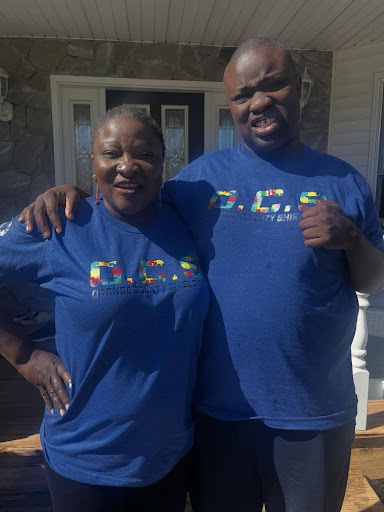
Finding support and hope
One important breakthrough came when Olusa learned about Applied Behavior Analysis (ABA) therapy through a television program.
“That was the first time I heard about ABA,” she said. “It really helped him in his development.”
She believes parent support networks are also extremely important.
“Those parents are a good resource because they’re trying to figure out the same thing that you are,” she said.
Now back in nursing and working with children with complex needs, Olusa says her own journey made her more compassionate and patient.
“It definitely made me more compassionate,” she said. “I can relate to other mothers because I know the struggle.”
For families beginning a similar journey, she offers a message of encouragement.
“Keep hope alive,” she said. “It’s easy to think that’s the end, but there are things they’re going to do that they may not do now.”
She also hopes the community better understands families caring for loved ones with special needs.
“They just have different abilities, but they still have value,” she said.