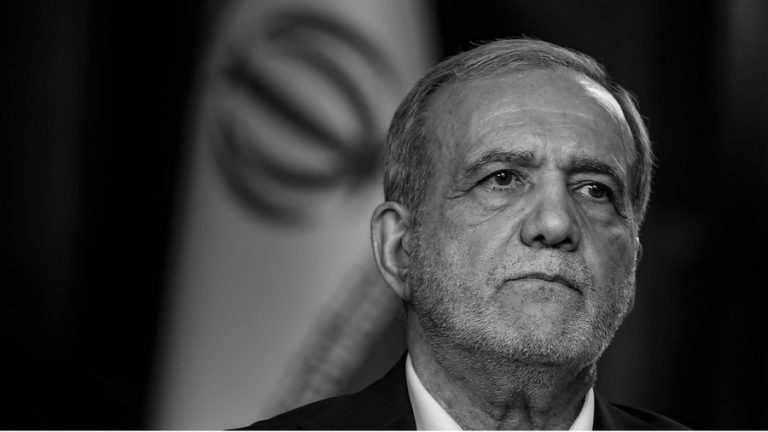
Agence France-Presse (AFP) reported on July 20 that the conflict between the United States and Iran was continuing to escalate. Iranian President Masoud Pezeshkian said Iran was now engaged in a “full-scale war” with the United States and warned that the country must be prepared to bear the costs of prolonged resistance.
On the same day, the U.S. military further expanded the scope of its airstrikes, striking Bushehr Province — home to Iran’s only civilian nuclear power plant — for the first time. In response, Iran launched a new round of attacks against U.S. military targets in Bahrain, Jordan, Kuwait, and other countries, further worsening the situation in the Middle East.
Iranian president: Country has entered an ‘full-scale war’
According to a statement issued by the Iranian president’s office, Pezeshkian said Iran is currently “in an full-scale war” and that the government must face reality and accept the “natural consequences” of resistance.
His remarks marked the first time Iran’s top leadership had publicly described the current situation as an “full-scale war,” following a ninth consecutive night of U.S. military strikes on Iran.
The U.S. military expanded its air campaign that day to several provinces in northern and central Iran, moving beyond areas surrounding the Strait of Hormuz.
Success
You are now signed up for our newsletter
Success
Check your email to complete sign up
Analysts said the collapse of a temporary ceasefire agreement previously reached by the two sides had transformed the conflict from a maritime confrontation into a regional military conflict encompassing Iranian territory and several neighboring countries.
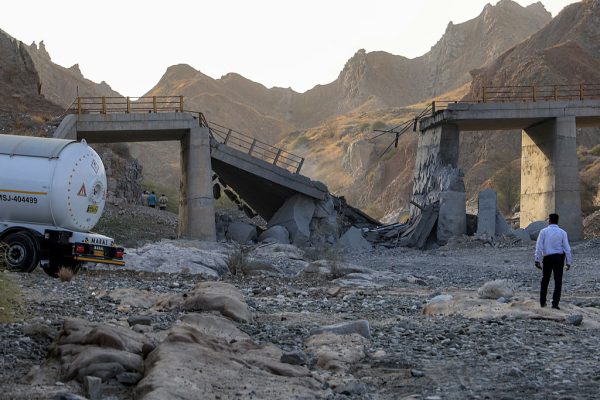
Province hosting nuclear power plant struck as Iran keeps diplomatic channels open
Iranian authorities said several of the provinces targeted by the United States contain military bases and air-defense facilities.
Bushehr Province, which is home to Iran’s only operational civilian nuclear power plant, became a major focus of the latest airstrikes. Bushehr Governor Mohammad Mozaffari said several locations in the city of Bushehr were struck by U.S. forces.
Majid Farshi, head of the crisis management department in the northern province of East Azerbaijan, said the attacks there killed at least one person and injured several others.
Despite the continued escalation, Iranian Foreign Ministry spokesman Esmaeil Baghaei said indirect contacts between Iran and the United States through third-party mediators had not been severed. He said several mediators had presented Tehran with new proposals.
AFP also cited Pakistani officials as saying that Iranian Interior Minister Eskandar Momeni planned to travel to Islamabad that day. Pakistan and Qatar are widely regarded as two of the principal mediators currently facilitating communication between Washington and Tehran.
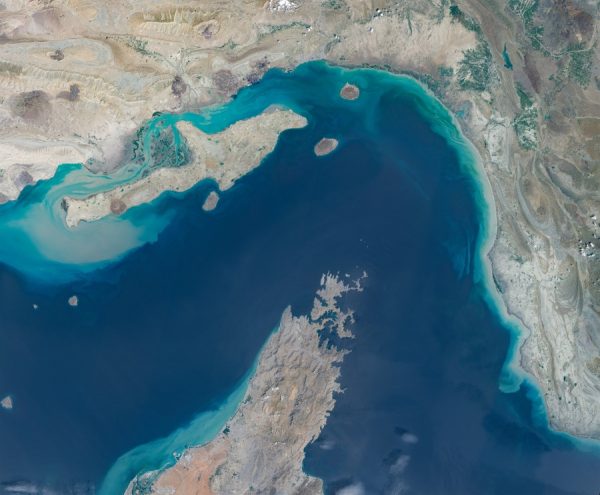
Strait of Hormuz crisis deepens as global oil prices rise
The maritime situation has also continued to deteriorate.
The United Kingdom Maritime Trade Operations office said a commercial vessel was attacked and caught fire near the Strait of Hormuz, forcing its crew to abandon ship.
Iran’s Islamic Revolutionary Guard Corps claimed that two oil tankers attempting to pass through the Strait of Hormuz suffered explosions and were forced to stop sailing.
U.S. Secretary of State Marco Rubio called on the international community to work together to protect global shipping. Iran responded that it would not allow hostile countries to use the Strait of Hormuz to threaten Iran’s national security and interests.
Approximately one-fifth of the world’s seaborne oil passes through the Strait of Hormuz. Shipping through the waterway has slowed significantly in recent days, intensifying concerns about global energy supplies and pushing Brent crude oil prices back above $90 per barrel.
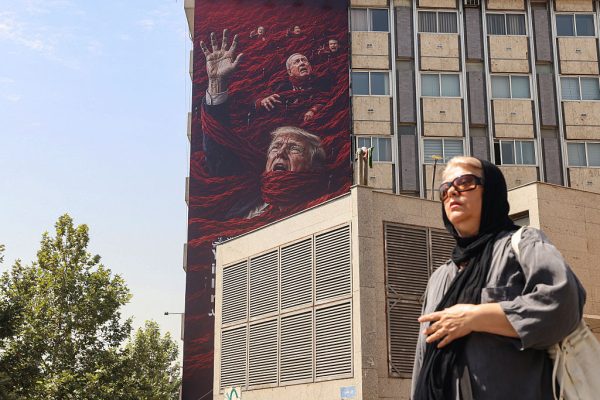
Iranian retaliation expands across region as U.S. death toll rises to 17
Iran’s Revolutionary Guard announced on July 20 that it had launched a new round of attacks early that morning against U.S.-linked targets in Syria, Jordan, Kuwait, and Bahrain.
According to information released by Iranian authorities, the Revolutionary Guard struck military facilities in Syria’s Al-Tanf region, U.S. military aircraft at Jordan’s Aqaba Airport, and a U.S. early-warning radar system in Kuwait.
Kuwait’s military confirmed that its air-defense systems had intercepted drones launched from Iran. Bahrain activated nationwide air-raid sirens and instructed residents to seek shelter, while accusing Iran of attacking its aviation navigation system.
U.S. Central Command said the U.S. military had completed its ninth consecutive night of operations against Iran. Three additional U.S. service members were killed over the weekend, while one remained missing.
Two of the service members were killed in an Iranian missile strike on a base in Jordan. A third died in Iraq while handling debris from a downed Iranian drone.
President Donald Trump said the U.S. strikes had “hit them very hard” and added that the operation was also carried out in honor of fallen American service members.
The latest conflict has so far killed 17 U.S. service members. Iran’s Health Ministry previously said that recent fighting had killed at least 50 people and injured more than 500 others.