

By Babak Baniasadi, Vision Times contributor
In 1979, as Iran’s revolution unfolded, the streets of Tehran underwent a dramatic transformation. The city’s cosmopolitan character — once reflected in tailored suits and elegant dresses — gave way to revolutionary garb. My father, like many others in the refined middle class, wore a precisely tailored suit and maintained a clean-shaven face, not just as a matter of personal style but as a symbol of aspiration and progress.
But this shift in dress was not merely aesthetic; it was a deliberate effort to reshape society. The new regime understood a truth that authoritarian governments have long wielded: controlling how people dress is a powerful means of controlling how they think.
RELATED: Timeless Elegance: The Enduring Fashion Influence of Jackie, Diana, and Melania
Shifting trends
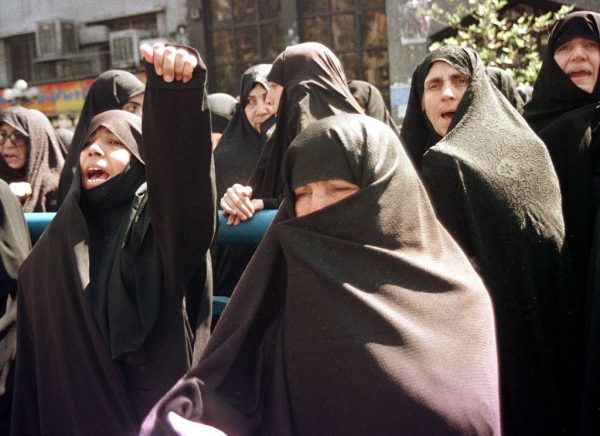
Supreme Leader Ali Khamenei embodied this transformation in his own carefully crafted image. Initially appearing in green military fatigues with an unkempt appearance reminiscent of Fidel Castro, he later adopted traditional Islamic clerical attire. Each shift signaled a different form of authority, providing a template for the masses to follow. Men abandoned their polished looks in favor of heavy military-style jackets and deliberately disheveled appearances. Women, once free to wear Western attire, were forced into revolutionary Islamic coverings.
Success
You are now signed up for our newsletter
Success
Check your email to complete sign up
This control over fashion persists today through Iran’s morality police, who patrol the streets, enforcing state-mandated dress codes with punishments for those who defy them.
This strategy of using fashion to control thought is not unique to Iran. During China’s Cultural Revolution, the government imposed the Mao suit, erasing centuries of diverse traditional dress. In the Soviet Union, fashion policing reached extreme levels, with youth brigades known as “style patrols” forcibly cutting the legs off of Western-style pants worn by pedestrians.
Stringent fashion norms
In East Germany, the state-run German Fashion Institute dictated “socialist fashion,” enforcing rigid standards — such as skirts that had to measure exactly 40 centimeters from the ground. Officials would use rulers to check hemlines, and repeat offenders faced interrogation by the Stasi.
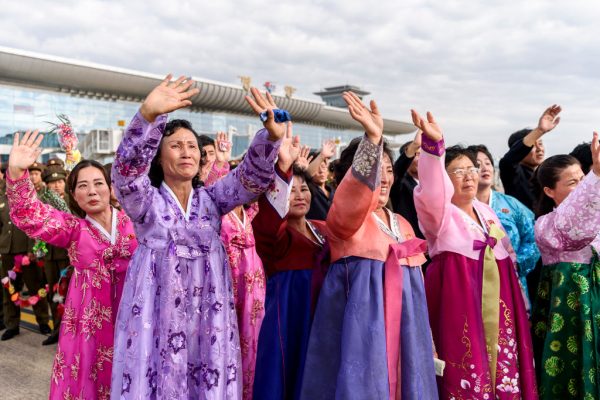
In North Korea, fashion control remains strict, with only 28 approved hairstyles for women and 15 for men. Cambodia under Pol Pot went even further, requiring all citizens to wear black peasant garments and executing those who wore glasses — deeming them intellectuals. These regimes shared a common goal: using fashion to break down individual identity and enforce collective conformity.
The effectiveness of fashion as a tool of control lies in its deep connection to personal and cultural identity. When governments restrict certain styles, they don’t just alter appearances; they reshape how people relate to their heritage, their values, and each other.
RELATED: The Absurdity of Modern Fashion: Why It’s Time to Reclaim Real Beauty & Tradition
The Mao suit was not just a uniform — it dismantled traditional social structures that had been reflected in Chinese fashion for generations. Many of these regimes specifically targeted youth fashion, recognizing that controlling young people’s self-expression was key to reshaping society. The Soviet Union, for instance, waged an aggressive campaign against blue jeans, associating Western fashion with ideological contamination and focusing on teenagers and university students as the primary threat.
Beauty comes from within
While authoritarian regimes have historically mandated dress codes, modern societies have developed subtler methods of fashion control. Today, ideological movements enforce conformity not through legal mandates, but through social pressure. The concept of “cultural appropriation,” which emerged from Critical Theory and Marxist thought, has transformed cultural exchange into a battleground.
While the intention of protecting marginalized cultures is valid, the discourse around appropriation sometimes stifles the natural blending of styles that has historically enriched societies. This echoes tactics used by the East German Fashion Institute, which publicly shamed “decadent” Western fashion while promoting state-approved “workers’ fashion.”
RELATED: Quiet Luxury: The Return of Timeless Fashion
Regardless of the method, the objective remains the same: to regulate behavior by regulating appearance. Whether through the force of law, as in Iran, or through social backlash, as seen in modern ideological movements, fashion is repeatedly used as a means of control. Many brands now self-censor their designs, anticipating public criticism, just as manufacturers in socialist states once produced only state-approved styles.
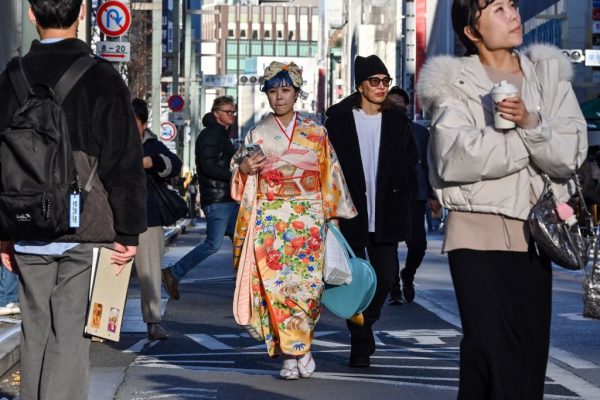
True fashion should celebrate beauty — beauty that emerges from divine inspiration, cultural tradition, and individual creativity. When it becomes entangled with political ideology, it loses its fundamental purpose as a form of self-expression. Throughout history, fashion has evolved through natural cultural exchange, with adaptation and borrowing serving as signs of respect rather than oppression. The Silk Road, for instance, didn’t just facilitate the trade of goods but also styles, patterns, and artistic innovations that spanned continents.
Recognizing these historical patterns raises pressing questions: How can societies preserve cultural heritage while allowing organic evolution in style? The answer lies in acknowledging fashion’s essential role—not as a tool of control, but as a celebration of human creativity and cultural connection. Understanding these dynamics is crucial to safeguarding authentic self-expression in an era where ideological forces continue to politicize personal choices.
From Tehran to East Berlin, history has shown that when fashion becomes a weapon of control, society doesn’t just lose its style — it loses its soul.







