By Babak Baniasadi, Vision Times contributor
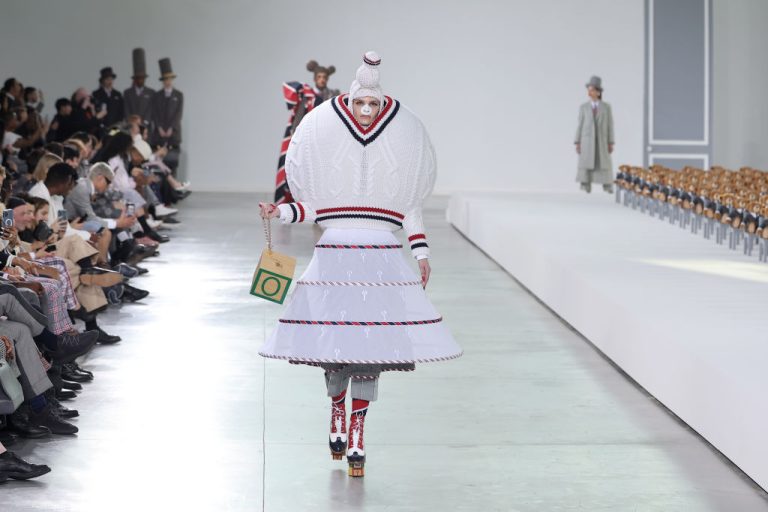
The fashion world has always been a stage for exploring ideas and creativity, but ever since the late 1960s, it feels like absurdity has taken center stage. Runways are filled with bizarre, impractical, and downright ridiculous styles that defy logic and functionality. What drives this trend? Is it innovation, or have we collectively lost our sense of beauty and practicality? It’s time to take a closer look and, frankly, question these so-called “fashion forward” ideas.
What is happening to fashion?
Runways today overflow with designs that seem more suited for a circus than a closet. Clothes that are impossible to wear, impractical to use, and utterly devoid of meaning have become the norm. These designs are often celebrated as groundbreaking or artistic, yet they lack the essence of what fashion should be: a balance of form and function that uplifts and inspires.

Why is it happening?
- The Desire to Be Different: Designers constantly strive to stand out, often sacrificing beauty and practicality in the process. The relentless pursuit of uniqueness can lead to creations that feel more like stunts than sincere expressions of artistry.
- The Need to Show Off: Fashion shows have become stages for spectacle, where shock value often replaces substance. Instead of creating designs that resonate with beauty, some designers opt for absurdity to grab attention and make headlines.
- Blind Trust in Experts: There is a flawed assumption that expertise equates to infallibility. Designers, like all of us, are imperfect individuals navigating creative processes. Rational thought should always prevail over blind trust.
RELATED: Quiet Luxury: The Return of Timeless Fashion
The beauty of tradition
In contrast to modern trends, traditional clothing from cultures around the world demonstrates timeless principles of beauty and functionality. Consider the elegance of a traditional Indian saree, the grace of Chinese Tang dynasty attire, the rugged practicality of traditional Cossack clothing, or the refined sophistication of a Western suit. These designs reflect harmony, cultural heritage, and an intrinsic understanding of what it means to create something both beautiful and meaningful.

Rules of design and their purpose
Success
You are now signed up for our newsletter
Success
Check your email to complete sign up
Aesthetic beauty is not as subjective as some claim. Principles such as proportion, color theory, repetition, and symmetry guide our perception of beauty. For instance, models are often selected for their facial symmetry, which sophisticated software can analyze. Similarly, the golden ratio and the rule of thirds are essential tools for achieving balance and harmony in design.
Can these rules be bent or even broken? Yes, but the outcome must justify the deviation. Design should leave the viewer with a sense of positivity and innocence, akin to the feeling evoked by a child’s face, a blooming flower, or a serene sunrise. When design fails to achieve this, it becomes unsightly and regressive rather than forward-thinking.

Couture and its role in the arts
Couture undeniably belongs to the visual arts, but can it strictly be classified as art? Not entirely. While it holds a vital place in the aesthetic world, it is primarily a craft. Slapping the “Art” label on fashion gives designers license to indulge in any and all notions — no matter how outrageous or disconnected from reality.
Art itself has boundaries. Should an artist explore radical, grotesque, or even disturbing ideas to the point of urinating on a canvas and calling it a masterpiece? Most would strongly disagree. The art of the past, which we continue to admire, is timeless because its creators often sought to uplift and inspire. When pushed to extremes, art — and by extension, fashion — can become unsettling rather than enlightening.

Consider Michelangelo’s masterpiece, the statue of David. Its proportions are guided by the golden ratio, a timeless principle of beauty. Michelangelo’s work reflects a pursuit of the divine, striving to elevate the human spirit through art. This pursuit of beauty—uplifting, timeless, and harmonious—is a far cry from the bizarre creations on modern runways.
The Divine connection in craftsmanship
Historically, artisans perfected their craft not just for material gain but to connect with the divine. This dedication gave us timeless art, design, and music that continue to inspire centuries later. From the architecture of ancient temples to the intricate designs of traditional clothing, these works transcend time because they are rooted in the pursuit of beauty, grace, and spirituality.

In contrast, much of modern runway fashion feels disconnected from these ideals. Instead of striving to uplift, it often feels cynical, alienating, and devoid of meaning.
RELATED: The Most Beautiful Handbag of 2024: Shen Yun Collections Ombre Bag
The mainstream shift of bizarre fashion
What’s even more concerning is how some of these absurd runway trends are finding their way into mainstream fashion. The grand stage given to these ideas legitimizes their absurdity. As these designs infiltrate everyday wardrobes, they threaten to erode our collective sense of beauty and practicality. Fashion should inspire us to look and feel our best, not perplex or alienate us. Consumers must use their good judgment and reclaim power from so-called experts.

Ultimately, consumers should challenge these “fashion forward” ideas. Rational thought must prevail over the elitist notion that experts always know best. Controversial, weird, and dark creations are not signs of progress but indicators of regression.
True beauty sparks conversation naturally — it is challenging but rewarding. Design should elevate, inspire, and bring joy, not alienate or perplex. As we celebrate the timeless beauty of traditional designs and the uplifting power of true artistry, let us reject regressive trends masquerading as forward-thinking. It’s time to remind the fashion industry that beauty — real beauty — is not only worth striving for but essential to our connection with each other, our culture, and the divine.