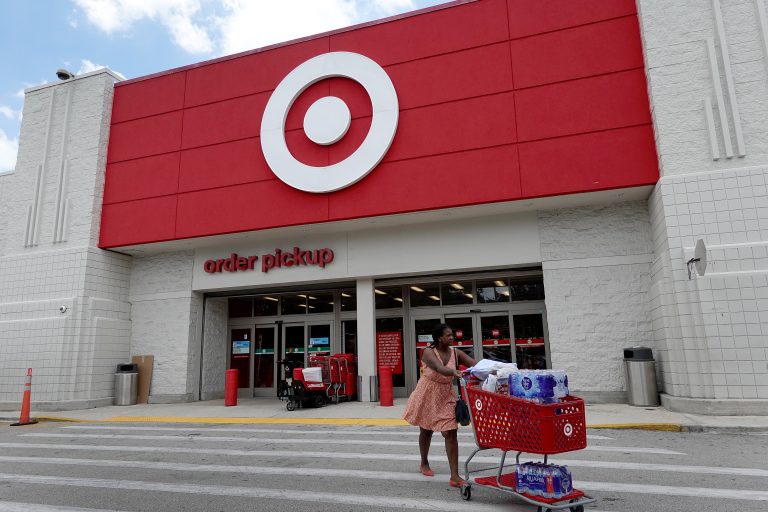
Target has reportedly followed suit with its competitors Walmart and Costco and is pressuring Chinese suppliers to absorb some of the costs associated with American tariffs.
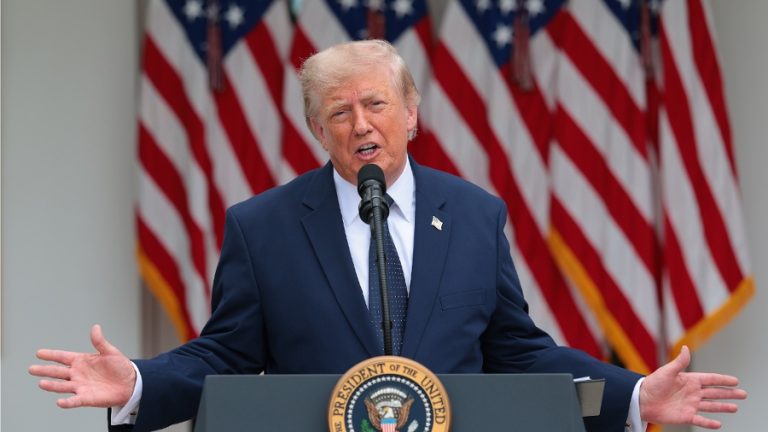
Following Trump’s “Liberation Day” announcement on April 2, the United States is now levying a base 10 percent tariff on China, as well as another 34 percent on all Chinese goods.
These tariffs are layered on top of existing duties. In February, the Trump administration imposed a 10 percent tariff on all Chinese imports, which was increased to 20 percent in March. The new 34 percent tariff announced on Wednesday represents an additional increase, reflecting the administration’s ongoing efforts to address trade imbalances, promote domestic manufacturing and impose consequences for China’s role in flooding America with deadly fentanyl.
According to MSN, one Chinese supplier of hairpins and claw clips has been asked by Target to “pick up half the costs of the tariffs.” The supplier, after attempting to negotiate, saw delays in orders and ultimately lost the business.
Unlike Walmart and Costco, Target does not operate any stores in mainland China, and has reportedly dropped its dependance on Chinese goods from 60 percent to 30 percent over time.
Success
You are now signed up for our newsletter
Success
Check your email to complete sign up
Walmart has the largest footprint in China, with more than 330 locations, while Costco only operates seven warehouses.
RELATED:
Target’s challenges
Target CEO, Brian Cornell, told MSN while his company moves to reduce its reliance on Chinese imports, customers should still expect price increases.
For instance, fresh produce such as bananas, avocados, and strawberries are all expected to go up in price.
Cornell said that Target has been “scenario planning” in an attempt to minimize the impact of tariffs on the company and customers.
In addition, Target has also been facing a number of challenges, so much so that it took the unprecedented move of slashing its corporate employee bonuses.
The company blamed the move on weak consumer spending and inflationary pressures.
Target has also experienced a decline in customers coming to its stores after scaling back its Diversity, Equity, and Inclusion (DEI) programs.
While its competitors, Walmart and Costco have taken similar steps, they have not suffered the consequences that Target has, which has had to contend with a 40-day boycott, and lawsuits from both its shareholders and the state of Florida.