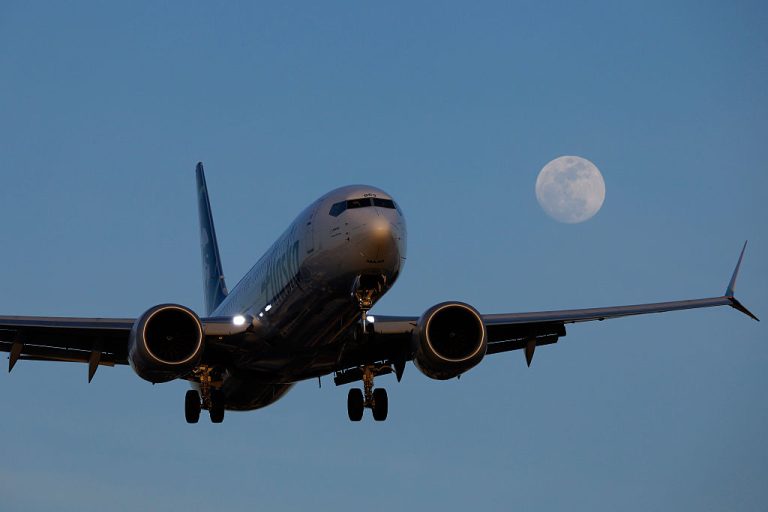
In the latest setback for the embattled aerospace giant, Boeing, federal regulators have issued an urgent warning about a potential malfunction in Boeing’s 737 MAX aircraft that could allow smoke to leak into the cabin or cockpit.
The warning says that if the engine’s oil system receives damage it can cause smoke from hot oil to enter the aircraft’s ventilation system, presenting an extreme danger of incapacitating the pilots, the National Transportation Safety Board (NTSB) wrote in a report released on June 18.
The findings are as a result of investigations into two incidents on Southwest Airlines flights, when the engines — CFM International LEAP-18s — malfunctioned following bird strikes causing smoke to pour into the cabins.
In one incident, in December 2023, after a bird strike on a Boeing 737-8, “acrid white smoke” filled the cabin shortly after takeoff from New Orleans, La. The NTSB report said the smoke was so thick that pilots in the cockpit could not see their control panels.
In another bird strike incident in March 2023 smoke entered the passenger cabin shortly after the plane departed Havana, Cuba.
Success
You are now signed up for our newsletter
Success
Check your email to complete sign up
Both flights implemented emergency landings and there were no injuries reported, the NTSB wrote.
RELATED:
- ‘Like a ticking time bomb’: At Least 20 More Boeing Whistleblowers Come Forward
- Boeing Whistleblower’s Apparent Suicide Sparks Intense Online Discussion
NTSB recommendations
The NTSB is recommending that Boeing make modifications to engines the company uses on their 737 MAX and Airbus A32 jets.
In addition, the safety agency issued an urgent notice, asking the Federal Aviation Administration (FAA) to evaluate whether either the LEAP-1A and LEAP-1C engines could suffer from the same issue.
Concerns were also raised about whether flight crews are adequately trained or equipped to handle smoke entering the cabin. The NTSB has urged the FAA to require manufacturers like Boeing to formally alert crews to the potential risk.
Boeing says it has already revised flight manuals and instructed pilots on what to do should the scenario occur and that they know what steps to take to prevent smoke from entering the cockpit or cabin.
“CFM International and Boeing have been working on a software design update. We support the NTSB’s recommendation,” Boeing wrote in a statement supplied to the New York Post.
CFM International, which is owned by GE Aerospace, told The Post that “work is already underway” to implement the NTSB’s recommendations.
READ MORE:
- ‘I would absolutely not fly a MAX airplane’, Ex-Boeing Manager Warns
- US Justice Department Tasked With Determining Whether or Not to Criminally Charge Boeing
Mounting scrutiny for Boeing
The NTSB’s warning comes at a time of intensified scrutiny for Boeing, following a series of high-profile safety concerns involving its aircraft. Earlier this year, a door plug on a Boeing 737 MAX 9 operated by Alaska Airlines blew out mid-flight, forcing an emergency landing and triggering a wave of FAA investigations and production audits.
The growing list of safety alerts has renewed public concern over the reliability of Boeing’s engineering and quality control. Lawmakers and aviation watchdogs have also questioned whether regulators have been too slow to respond to systemic issues within the company’s manufacturing and oversight processes.
Industry analysts warn that continued safety concerns could affect airline confidence and aircraft orders, particularly as global carriers weigh long-term fleet decisions.
Meanwhile, federal investigations into Boeing’s safety culture remain ongoing, with the Justice Department reportedly weighing possible actions after earlier deferred prosecution agreements related to the fatal 737 MAX crashes in 2018 and 2019.