
“White Dew” is one of the 24 solar terms in the traditional Chinese calendar. It marks the shift from summer heat to autumn coolness, when dew forms on grass and plants in the early mornings. Each year, it falls around Sept. 7 in the Gregorian calendar.
As described in the ancient text “Yueling Qishier Hou Jijie,” “Autumn belongs to metal; metal is white; yin energy gradually grows stronger, causing dew to condense and turn white.” This passage explains both the origin of the name “White Dew” and the seasonal balance of yin and yang.
The origin of ‘White Dew’
White Dew is the first solar term of September. As temperatures drop, water vapor condenses into droplets that cover plants and the ground in the early morning, appearing as a silvery-white layer of dew.
The term signals the arrival of cooler weather. While daytime highs may still reach the 30s°C, nighttime temperatures often fall into the 20s°C, creating a difference of more than ten degrees. The sweltering heat of summer fades, replaced by the refreshing chill of autumn.
An old saying goes: “White Dew, dew so white; around Autumn Equinox, the rice will grow right.” This reflects the belief that dew appearing during White Dew forecasts a good harvest for late-season rice.
Customs and traditions
Success
You are now signed up for our newsletter
Success
Check your email to complete sign up
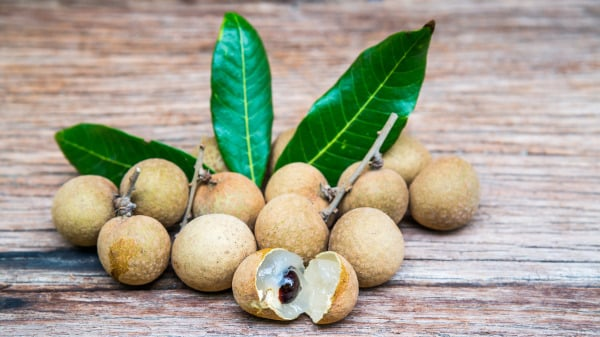
In Fuzhou, there is a long-standing tradition known as “Eating Longan on White Dew.” Consuming longan on this day is thought to provide remarkable nourishment — so much so that one longan is said to equal the benefits of eating an entire chicken.
In Zhejiang province, particularly in Wenzhou, White Dew festivals have been observed for generations. In Cangnan and Pingyang, locals gather the “10 Whites” (sometimes known as the “Three Whites”) and stew them with black-boned chickens or ducks. This dish is believed to nourish the body and ease wind-related ailments such as arthritis. Folk wisdom also holds that eating sweet potatoes during White Dew prevents acid reflux for the rest of the year, so farmers traditionally included them in their meals.
In Nanjing, residents cherish “White Dew Tea.” After the summer heat, tea plants reach their peak, producing leaves considered especially fresh and flavorful. Among those with roots in southern China and Zhejiang, brewing White Dew rice wine is also a cherished custom. Made from glutinous rice, sorghum, and other grains, the mildly sweet drink is known as “White Dew Rice Wine.”
Around Lake Tai, the White Dew season is also a time for rituals honoring King Yu, the legendary figure credited with ancient China’s flood control.

Health and wellness tips
White Dew marks a turning point for seasonal health. A traditional saying goes: “During the End of Heat, bathe with eighteen basins; at White Dew, don’t expose your body.” It advises daily bathing during late summer, but once White Dew arrives, to avoid going shirtless and risking a chill.
This period often sees a rise in bronchial asthma, making preventive care important. Health guidance emphasizes regular exercise, dressing warmly in the mornings and evenings, and guarding against allergic conditions.
People should also protect themselves from nasal, bronchial, and respiratory illnesses. Those prone to allergies are advised to avoid or limit fish, shrimp, seafood, raw or cold foods, pickled and fermented vegetables, and strongly flavored dishes that are overly spicy, sour, salty, sweet, or fatty.
White Dew also brings the risk of autumn dryness, which can sap bodily fluids and lead to dry mouth, cracked lips, a parched nose and throat, constipation, or rough skin. To prevent these symptoms, a diet rich in vitamins is recommended, along with traditional herbs such as ginseng and Radix Adenophorae (sha shen). These can help nourish yin, boost qi, and relieve dryness, supporting overall health during the seasonal shift.