The ongoing trade conflict between the United States and China has entered a more confrontational phase, marked by the imposition of mutual port fees and tightened Chinese export controls on rare earth materials. These developments reflect a shift from traditional tariff-based disputes to more strategic battlegrounds—shipping infrastructure and critical resource control—with far-reaching implications for global supply chains and the international economic order.
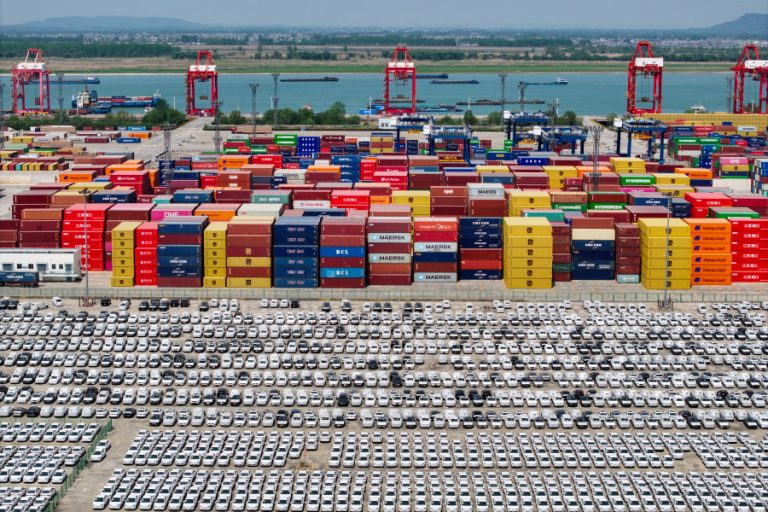
China’s decision to impose port fees on U.S. vessels is widely viewed as a direct retaliation against similar policies imposed by the U.S. earlier. According to reports by China Central Television (CCTV), as of Oct. 14, U.S.-owned vessels docking at Chinese ports are required to pay a fee of 400 RMB (approximately $56 USD) per net ton. This measure applies to all ships owned, operated, or built by U.S. entities, as well as those flagged by the U.S. Additionally, it includes vessels operated by U.S. companies or those in which U.S. entities hold a stake of 25 percent or more.
One key feature of the port fee system is its escalating structure. CCTV has indicated that the fee will increase annually, potentially rising to 1,120 RMB per gross ton by April 2028. This gradual increase not only puts long-term operational pressure on U.S. shipping companies but also leaves room for future negotiations, reflecting China’s strategic policy design.
Zhuang Huiru, a Singapore-based shipping analyst, estimates that bulk carriers transporting commodities like coal could face up to $3 million in additional fees immediately, with costs potentially exceeding $10 million annually for a 200,000-ton vessel by 2028.
Experts from Thurlestone Shipping, a global brokerage firm, warn that these fees could trigger a reconfiguration of global trade routes, forcing companies to seek alternative ports or adjust logistics strategies. The ripple effects may reshape supply chains and increase costs across industries.
Success
You are now signed up for our newsletter
Success
Check your email to complete sign up
China has also exempted Chinese-built vessels from these fees, creating a competitive edge for its domestic shipbuilding industry. With China now producing nearly half of the global dry bulk fleet, this exemption could incentivize international shipping companies to favor Chinese-built ships, further consolidating China’s dominance in global maritime trade.
Rare earth export controls: Strategic resource weaponization
On Oct. 9, Beijing announced new restrictions on the export of rare earth technologies and related items, intensifying its use of strategic resources as leverage in the trade war. Rare earth elements are essential to modern industries, powering everything from automobile components and wind turbines to smartphones and military equipment.
China’s control over the entire rare earth supply chain—from mining and refining to magnet production—makes it difficult for other nations to find short-term alternatives. While some countries are working to diversify supply sources, challenges remain in purification and processing, where China maintains a significant technological lead.
The move has sparked international concern. Japanese Finance Minister Kato Katsunobu urged the G7 nations to respond collectively, stating:
“Japan is deeply concerned about China’s recent announcement of extensive rare earth export restrictions. The G7 must act together to address this issue.”
In response, G7 countries are exploring strategies such as stockpiling, developing alternative materials, expanding recycling, and accelerating third-party supply chains. However, experts caution that these efforts are unlikely to eliminate dependency on China in the near term.
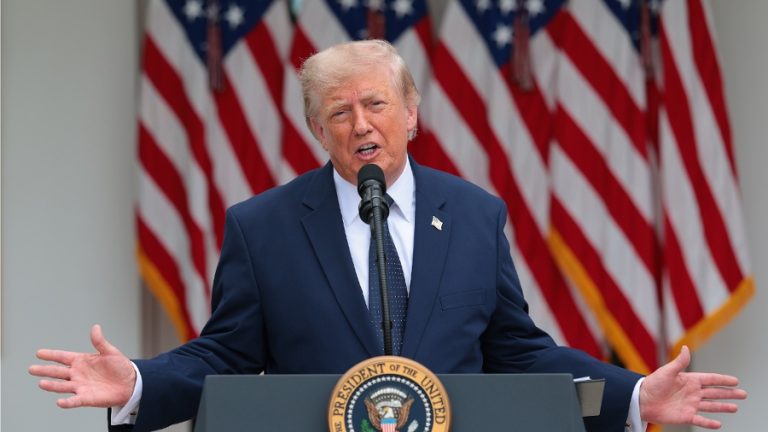
Reacting swiftly, President Trump threatened to impose a 100 percent tariff on Chinese goods, a move that could severely disrupt bilateral trade and reverberate across the global economy.
New tariffs on wood products, kitchen cabinets, and software furniture—many sourced from Chinese supply chains—also took effect earlier this week, signaling a broader U.S. strategy to apply economic pressure through multiple channels.
Treasury Secretary Scott Bessent condemned China’s rare earth restrictions as “China versus the world”. He emphasized that the U.S. and its allies “will not be commanded or controlled,” underscoring the strategic importance of rare earths and the intensifying global competition for access.
Global impact and third-party involvement
Despite rising tensions, diplomatic channels remain open. Bessent confirmed that President Trump and Chinese President Xi Jinping are expected to meet in South Korea at the end of October to discuss potential resolutions.
“The 100 percent tariff does not have to happen,” Bessent said. “The relationship, despite this announcement last week, is good. Lines of communication have reopened, so we’ll see where it goes.”
Meanwhile, China’s decision to sanction five U.S. subsidiaries of South Korea’s Hanwha Ocean Group has drawn third-party nations into the fray, complicating the geopolitical landscape. South Korea, as host of the upcoming summit, faces pressure to balance its role in global shipbuilding with the risk of secondary sanctions.
Southeast Asian nations—including Vietnam, Malaysia, and Indonesia—may benefit from increased terminal assembly and transshipment business due to shifting trade routes. However, these countries will need time to build capacity in rare earth processing, shipping infrastructure, and regulatory compliance, limiting their ability to fully replace China’s role in the short term.
Future outlook and risk assessment: Long-term structural implications
As trade tensions between the United States and China continue to evolve, several potential scenarios could shape the trajectory of this economic conflict in the months ahead:
Scenario 1: Technical de-escalation
If leaders from both nations engage in constructive dialogue during the upcoming summit, they may agree to delay or partially exempt port fees and tariffs, while establishing a formal communication mechanism for rare earth trade. Such a move could temporarily ease market volatility and restore short-term stability. However, it would not reverse the broader trend toward economic decoupling, which appears increasingly entrenched.
Scenario 2: Controlled escalation
Both sides may choose to maintain current pressure levels, gradually increasing tariffs and port fees according to a predefined schedule. The introduction of pre-notification systems, grace periods, and limited exemptions could help mitigate the impact, allowing businesses to adapt with a degree of predictability. This approach would reflect a managed escalation strategy aimed at exerting pressure without triggering immediate economic disruption.
Scenario 3: Rapid escalation and spillover
Should negotiations collapse or new geopolitical flashpoints emerge, the 100% tariff threat could materialize, port fees could be raised further, and rare earth export controls might extend to downstream processing technologies. This would likely result in global price surges across shipping, raw materials, and consumer goods, reigniting inflationary pressures and causing significant market instability.
Structural impact: A new economic landscape
Regardless of which scenario unfolds, the trade war has already triggered long-term structural shifts in the global economy. The concept of “de-risking”—reducing dependency on any single country—has become a central theme among governments and corporations alike. Supply chain diversification, regionalization, and strategic resource planning are now core components of economic policy and corporate strategy.
This conflict has moved beyond traditional tariff disputes into a comprehensive economic contest involving infrastructure, strategic resources, and technology supply chains. The implications extend far beyond the U.S. and China, challenging the foundations of global trade norms, multilateral cooperation, and economic integration.
The future of this dispute will hinge not only on the political skill and strategic judgment of both nations’ leaders, but also on the ability of the international community to coordinate responses, innovate solutions, and safeguard shared interests—while preventing deeper fragmentation of the global economic system.