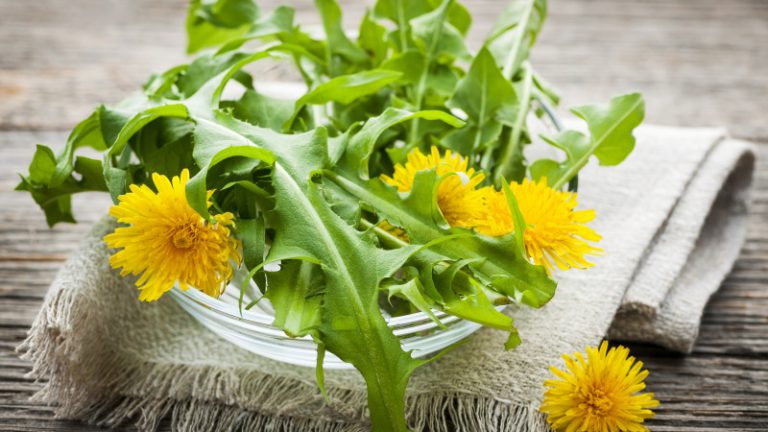
Long used in traditional Chinese medicine (TCM), dandelion tea is celebrated for its cooling and detoxifying effects. Yet practitioners caution that, because of its naturally “cold” nature, it may not be suitable for everyone.
Known in Chinese as huanghuadiding or popoding, dandelion is a common wild herb found in rural areas and valued for its medicinal versatility. TCM refers to it as the “Queen of Herbs” for its abilities to clear heat, remove toxins, reduce inflammation, fight bacteria, promote urination, and relieve pain.
1. Traditional uses of dandelion in Chinese medicine
According to the Compendium of Materia Medica (Bencao Gangmu) — the classic Ming dynasty text on herbal medicine — dandelion is neutral in nature and slightly sweet and bitter in taste. It is known to clear heat, detoxify, reduce swelling, and promote lactation, making it especially effective for mastitis. Whether taken as a decoction or applied externally as a paste, it has notable therapeutic effects.
In clinical practice, dandelion is also used for its diuretic, mild laxative, bile-promoting, and jaundice-relieving benefits.
a. Treating gastritis
One of the main culprits behind gastric disorders is Helicobacter pylori (H. pylori). Although the stomach has strong defenses against microbes, H. pylori can penetrate these barriers and is often found in patients with gastric cancer. Symptoms such as acid reflux, heartburn, stomach pain, and bad breath are frequently linked to H. pylori infection.
Success
You are now signed up for our newsletter
Success
Check your email to complete sign up
Dandelion can help eliminate H. pylori effectively. Because it is both a food and a medicine, it is generally safe and well tolerated.
b. Supporting liver and gallbladder health
If you experience thirst, a bitter taste in the mouth, oral ulcers, swollen gums, dry throat, dark urine, or nausea with yellow bile, TCM interprets these as signs of “stomach heat.” Drinking about two grams of dandelion root tea daily may help cool the stomach and support healthy liver and gallbladder function.
2. Health benefits of dandelion leaves and roots
A 1326 record in Ruizhutang’s Experience Formulas describes a story in which the King of Yue was given a secret remedy called Huan Shao Dan by a mystic. The formula, made with dandelion and other herbs, was said to strengthen teeth and bones, replenish kidney essence, and even restore black hair and vitality — a reflection of how highly dandelion was prized in ancient China.
Both the leaves and roots of dandelion have long been used for maintaining health and longevity.
a. Dandelion leaves — reducing heat and inflammation
Dandelion leaves are rich in protein, fats, carbohydrates, and minerals. They are known for cooling the body, reducing inflammation, and exhibiting strong antibacterial properties, particularly against Staphylococcus aureus.
These antibacterial effects help eliminate harmful microbes, enhance immunity, and prevent bacterial and viral infections. People suffering from chronic gastritis may also find relief by drinking dandelion leaf tea.
b. Dandelion roots — Protecting the liver and stomach
The root of the dandelion is most valued for its ability to support liver health. It helps clear internal “liver heat” and promotes detoxification.
For those with liver issues, tea made from dandelion root can aid detoxification and metabolism, supporting the liver’s natural cleansing function. Rich in organic acids, glucose, choline, and other active compounds, dandelion roots help repair damaged stomach lining and relieve gastric pain.
3. Dandelion tea is beneficial — But not for everyone
While dandelion tea offers many health benefits, TCM warns that its cold nature can aggravate certain conditions. Because every person’s constitution differs, moderation is key — and two groups of people, in particular, should consume it with caution.
1. People with yin-cold constitutions
Dandelion’s detoxifying and heat-clearing effects come from its cold properties. For those with a yin-cold constitution, however, drinking too much can trap cold and dampness in the body, making it harder to expel.
If you frequently catch colds, experience swelling, fatigue, diarrhea, or chills, your body may fall into this category. In such cases, it’s best to avoid or limit dandelion tea.
2. People with chronic enteritis
Chronic enteritis weakens the digestive system. For these individuals, dandelion tea may worsen symptoms, causing diarrhea or abdominal pain.
Women are also advised to avoid drinking dandelion tea during menstruation. For general use, women can enjoy dandelion root tea blended with rose petals or fresh ginger slices — a combination believed to enhance detoxification and improve skin health.
4. A note on moderation
Even natural remedies can be overused. While dandelion tea is beneficial for most people, drinking it too often may cause discomfort. Traditional Chinese medicine emphasizes balance — understanding one’s own constitution and using herbal remedies wisely. No matter how good something is, excessive use can bring the opposite effect.