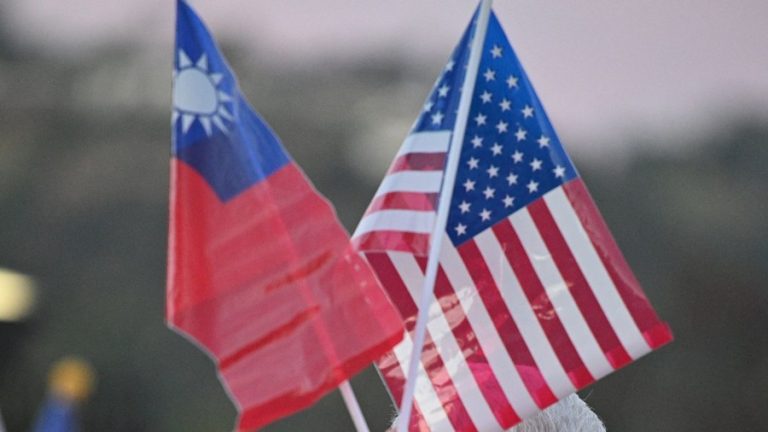
According to a Nov. 11 report by The Wall Street Journal, China is designing a “Validated End-User” (VEU) system intended to facilitate the export of rare earths and other controlled materials to the U.S., while explicitly excluding companies connected to the U.S. military. The system would also accelerate export approvals for other companies. This move is seen as China’s attempt, amid the U.S.-China trade truce, to balance signaling goodwill toward the U.S. with protecting its core strategic resources. The Epoch Times interviewed Canadian writer and pro-democracy activist Sheng Xue, who further revealed the deeper motivations behind this policy and its potential impact on U.S.-China relations and the global supply chain.
Background and design of the VEU system
Insiders say Beijing’s proposed VEU system is modeled after a similar U.S. mechanism. Since 2007, the U.S. VEU system allows certain foreign companies to purchase sensitive goods under general licenses, avoiding the need to apply for permits on a case-by-case basis, thereby reducing trade barriers. However, U.S. VEUs require companies to undergo facility inspections to ensure compliance.
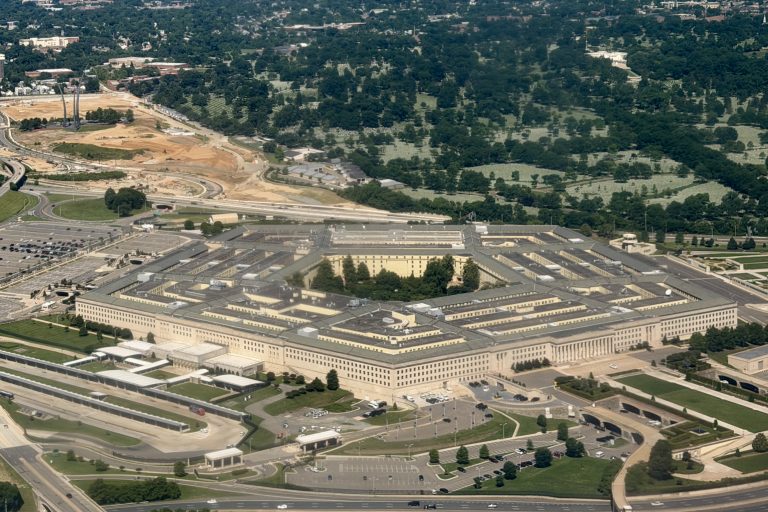
China’s VEU system is designed as a “selective opening” mechanism. While it ostensibly facilitates exports of critical materials like rare earth magnets to the U.S., it strictly screens end-users to ensure these materials do not enter the U.S. military supply chain.
Rare earths and their derivatives, such as rare earth magnets, are essential for civilian industries like electric vehicles and commercial aircraft, and are also indispensable in military equipment such as fighter jets, submarines, and drones.
Since April 2025, China has used rare earth export restrictions as leverage in the trade war, pressuring the U.S. to make concessions on tariffs and technology restrictions. Following the trade truce agreement reached by Trump and Xi Jinping on Oct. 30, China publicly pledged to issue general licenses to facilitate the flow of controlled materials. However, the introduction of the VEU system indicates that China has not completely abandoned export controls, instead aims to retain strategic dominance through “certified” channels.
Success
You are now signed up for our newsletter
Success
Check your email to complete sign up
Sheng Xue told The Epoch Times that China’s VEU system is not a genuine opening but an “export discrimination measure under the guise of national security.” She identifies three main goals: politically, to show superficial goodwill to Trump in exchange for relaxed tariffs and investment scrutiny; strategically, to protect core resources and prevent critical materials like rare earths from entering the U.S. military sphere; and institutionally, to obscure political objectives by mimicking U.S. mechanisms to create an illusion of “reciprocal cooperation.”
Potential impacts of the VEU system
1. Differentiation effect on US companies
The VEU system could have complex effects on U.S. firms. Giants like Boeing and Tesla, which serve both civilian and defense sectors, may face greater difficulty accessing rare earths. The system will strictly separate “civilian” from “military” end-users, potentially excluding companies connected to the military from general licenses. This increases supply chain uncertainty and may force companies to make difficult choices between rare earth dependence and national security.
Sheng notes that the Chinese Communist Party is leveraging the relative independence of U.S. companies from the government to sow discord between industry and defense sectors. By limiting rare earth supply to defense-related companies, China may push U.S. firms to lobby the government for relaxed policies, thereby creating internal divisions.
2. Impact on the global supply chain
Rare earths are critical raw materials for the global high-tech industry, with China controlling roughly 70 percent of global production and 90 percent of processing capacity. In September 2025, China’s exports of rare earth magnets to the U.S. fell 29 percent month-on-month, indicating tangible effects on U.S. and European firms. Implementing the VEU system could further destabilize supply chains. Although China promises eased exports for “civilian” purposes, it remains unclear which companies will obtain general licenses and under what conditions.
Moreover, the U.S. VEU system previously angered Beijing when it revoked qualifications for some Chinese companies. Similarly, China’s VEU could undermine confidence in long-term supply chain stability if approval criteria are opaque or abruptly changed. Consequently, many companies may seek alternative sources in Australia, Canada, or Greenland to reduce dependence on China.
3. Complex effects on US-China relations
The VEU system represents China’s latest move following the U.S.-China trade truce. Trump previously stated that China’s issuance of general licenses marked the “end of restrictions” on critical material exports. However, the selective nature of the VEU system shows that China is retaining partial controls. This may raise U.S. caution, especially since Trump has previously prioritized rare earth supply chain security as a national strategic concern.
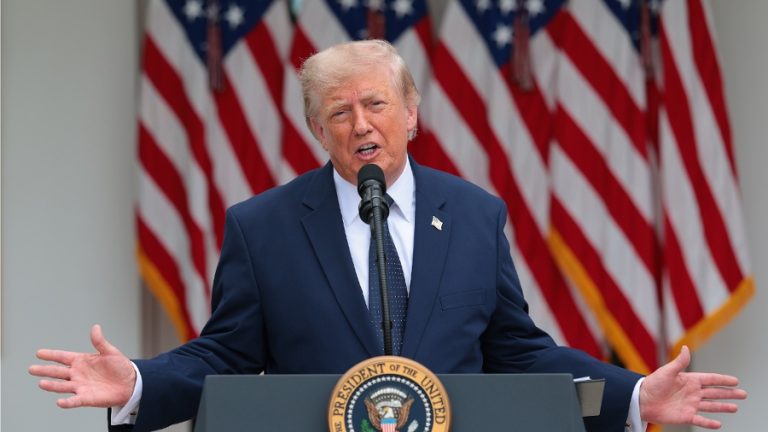
Sheng believes Trump may adopt a “respond but counter” approach: politically, he could frame China’s VEU as a concession under U.S. pressure to highlight his negotiation prowess; strategically, he may push for a comprehensive review of the rare earth supply chain by the Department of Commerce or Energy, accelerating U.S. and allied independence from Chinese rare earths. For instance, during recent visits to Southeast Asia, Japan, and South Korea, Trump has discussed working with allies to build a “China-free” rare earth supply chain.
Possible US responses and strategy
Trump’s personality and leadership style will significantly shape the U.S. response to the VEU system. Sheng observes that while Trump generally favors amicable negotiation, he takes a hard stance once he perceives adversarial intent. Despite publicly calling Xi a “friend,” his policies show a clear understanding of China’s strategic intentions.
1. Short-term response: Declare victory and apply pressure
Trump may interpret China’s VEU rollout as a result of U.S. tariff pressure, using it to showcase his negotiation achievements. He could demand clearer implementation details to safeguard U.S. corporate interests. If China continues restricting exports under the pretext of national security, Trump may reinstate tariffs or other sanctions.
2. Long-term strategy: Accelerate supply chain diversification
To reduce dependence on Chinese rare earths, the U.S. is advancing legislation like the Rare Earth Magnet Security Act, boosting domestic production, and collaborating with allies such as Australia and Canada to develop alternative sources. The VEU system may provide Trump an opportunity to accelerate these initiatives, including a comprehensive supply chain review by the Energy Department and increased allied investments to establish a China-free global supply network.
3. Coordination with allies
The Trump administration could use the VEU system as a case to encourage allies to jointly counter China’s resource control. Sheng notes that during recent Asian visits, Trump has already begun promoting rare earth collaboration with Japan and South Korea, potentially expanding to Australia, Canada, and other partners in the future.
Strategic implications
China’s VEU system represents a new tactic in the U.S.-China trade war: superficially signaling concessions while consolidating strategic resource control. This system tests the Trump administration’s response capabilities and has far-reaching implications for the global rare earth supply chain and allied relationships. The U.S. may respond by declaring victories, accelerating supply chain diversification, and strengthening allied cooperation.
Sheng’s analysis highlights the political and strategic motivations behind the VEU system, warning Western countries to be wary of China’s “pseudo-opening” strategy. For the U.S., the VEU system presents both a challenge and an opportunity to secure rare earth independence and global supply chain dominance. For allies like Canada, taking a clear stance and coordinating with the U.S. is the long-term path to counter China’s resource control. In this rare earth game, Western unity and strategic foresight will determine the ultimate outcome.
By Xiao Ran