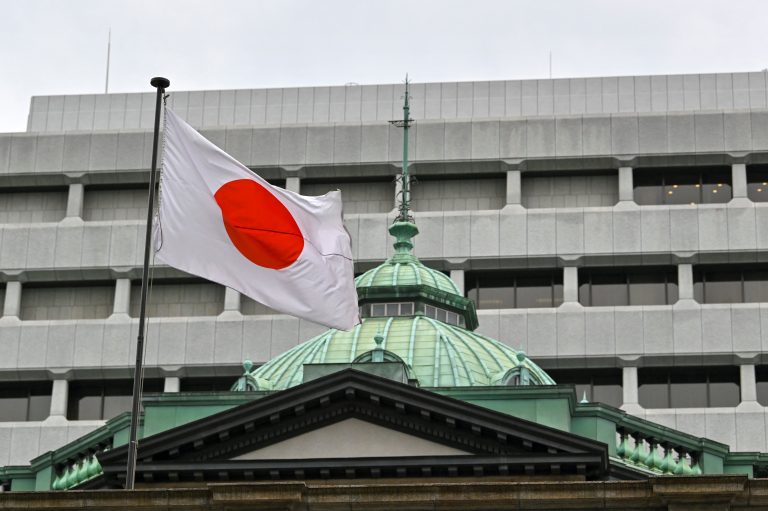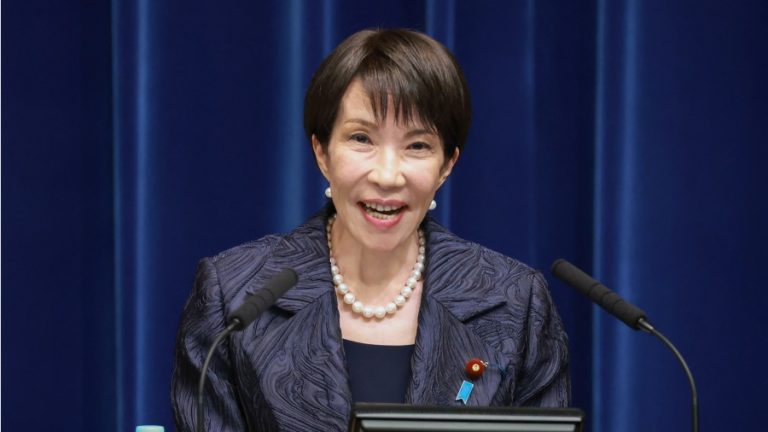
Japanese Prime Minister Sanae Takaichi stated during questioning in the House of Representatives on Nov. 10 that she has “no plans to retract” her previous remarks suggesting that a “contingency in Taiwan could constitute a situation threatening Japan’s survival.” However, she added that she should reflect on her specific examples given at the time and will avoid explicitly assuming particular scenarios in the future.
According to Taiwan’s Central News Agency (CNA), during the House Budget Committee meeting on Nov. 7, Katsuya Okada — former Foreign Minister and member of the Constitutional Democratic Party — asked Takaichi whether a “Taiwan contingency” would qualify as a “situation threatening Japan’s survival” under Japan’s security legislation, which allows the exercise of limited collective self-defense.
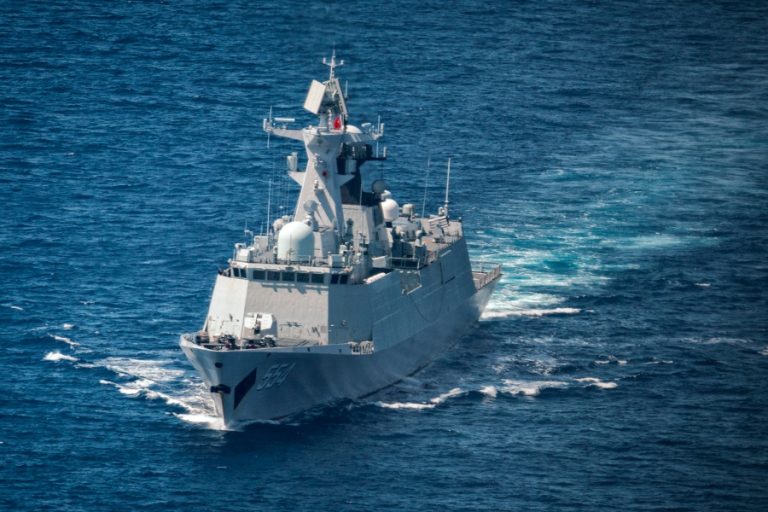
Takaichi replied, “If it involves the use of warships and the exercise of armed force, I believe it could potentially constitute a situation threatening Japan’s survival.” She added, “It would depend on the specific circumstances at the time — the government would make a comprehensive judgment based on all available information. If an armed attack occurred, the likelihood of it being recognized as a survival-threatening situation would be high.”
She further noted, “If U.S. forces come to help lift a blockade, and other acts of force occur to stop them from intervening, such a situation could arise. However, if it merely involves lining up civilian vessels to make maritime navigation difficult, I don’t think that would constitute a survival-threatening situation.”
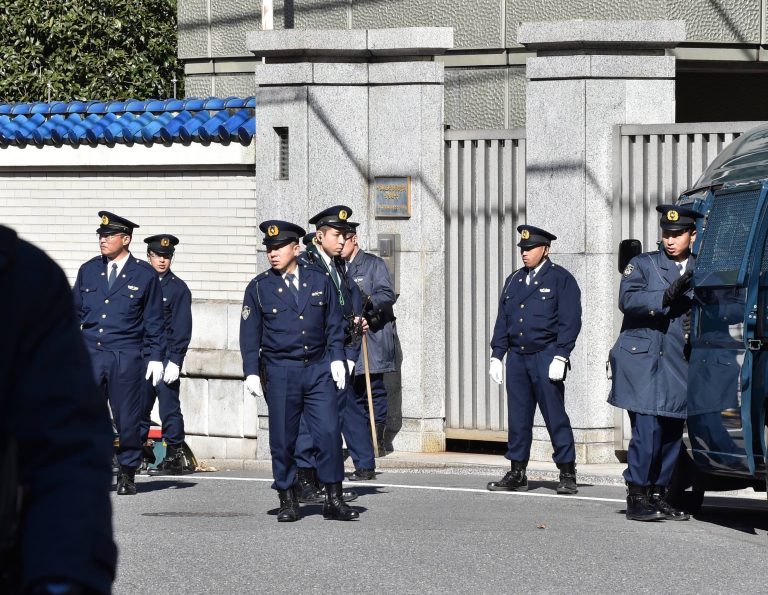
Takaichi’s comments sparked broad discussion. In response, Xue Jian, the Chinese Consul General in Osaka, wrote on the social media platform X (formerly Twitter): “Such a filthy head should be cut off without hesitation.” His remark was widely criticized as inappropriate. He later deleted the controversial post but continued posting that “the Taiwan issue has nothing to do with Japan and should be resolved by the Chinese people themselves.”
Success
You are now signed up for our newsletter
Success
Check your email to complete sign up
Takaichi questioned again
On Nov. 10, Hiroshi Okushiro, a member of the Constitutional Democratic Party, again questioned Takaichi on the issue during a House Budget Committee session.
According to reports from Asahi Shimbun and Nikkei Shimbun, Takaichi responded, “My statement was in line with the government’s existing position, and I have no particular intention of retracting or canceling it. However, as a point of reflection, I will refrain from explicitly assuming specific situations in future statements.”
She added, “At that time, I was responding while considering the worst-case scenario, so my reply was somewhat specific. I will avoid answering in that way going forward.”
Okushiro stressed that this was a serious issue that involved “deciding whether or not to go to war,” and demanded a unified government interpretation. Takaichi responded that “there is no plan to treat my Nov. 7 remarks as the government’s unified view.”
A “unified view” (統一見解) refers to an official government position issued to clarify differences and publicly explain a stance to opposition parties and the public on specific and important issues.
The term “situation threatening Japan’s survival” (存亡危機事態, also called 存立危機事態) was introduced in Japan’s 2015 security legislation. It allows Japan’s Self-Defense Forces to exercise limited collective self-defense even if Japan itself is not directly attacked — when an attack on a closely related country such as the United States poses a clear and fundamental threat to Japan’s survival and the lives and rights of its citizens.
In response to this issue, Taiwan’s Democratic Progressive Party (DPP) legislative caucus held a press conference on Nov. 10. Legislator Chuang Chia-pin expressed appreciation for Takaichi’s continuation of former Prime Minister Shinzo Abe’s position that “a Taiwan contingency is a Japan contingency,” showing the determination of democratic allies to engage in collective defense.
Chuang also criticized the remarks of the Chinese diplomat in Japan, saying that such emotional and exaggerated language is “extremely rare in normal diplomatic settings,” and raised doubts about whether China now regards Japan as an enemy state.
Chuang concluded that Beijing should “go to Tokyo and give an explanation” regarding such undiplomatic and unlawful behavior by its diplomat.
By Li Zexu.