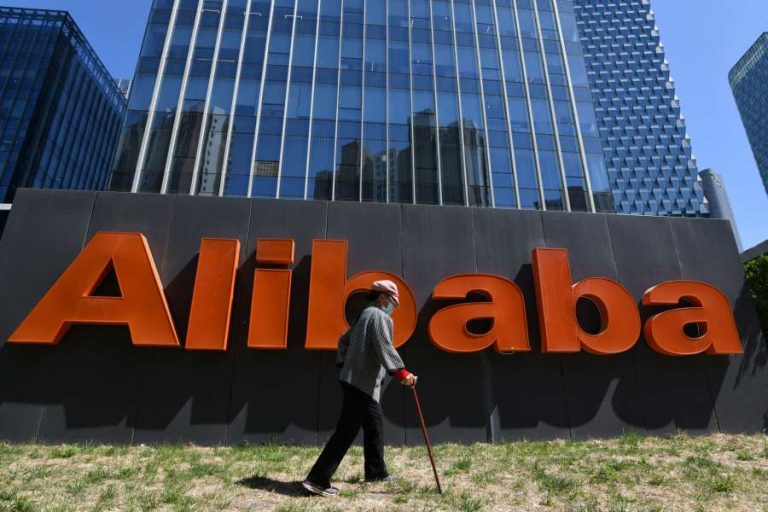
A newly declassified White House memo is raising alarms in Washington, alleging that Alibaba—one of China’s largest technology firms—has quietly provided technical support to the People’s Liberation Army in operations aimed at U.S. targets.
According to details first reported by the Financial Times, the memo claims Alibaba allowed Chinese authorities and military units to tap into customer data such as IP logs, WiFi information, payment histories, and AI-related services. It also says Alibaba employees passed along “zero-day” exploit knowledge, a prized resource in offensive cyber operations.
The FT notes it could not verify the allegations independently, but the White House views the capabilities described as a national security threat. The document’s release underscores growing U.S. unease over Chinese cloud providers, Beijing’s global data reach, and China’s rapid advancement in AI-enabled surveillance tools.
Alibaba denied the claims in full, calling the report “entirely false” and suggesting the leak was part of a “malicious PR effort” intended to undermine President Trump’s recent trade détente with Beijing. The company repeated its denial to AFP but did not directly address whether any interaction with the PLA exists. China’s embassy in Washington likewise rejected the claims as baseless.
Dated Nov. 1, the memo was circulated just after Trump’s meeting with Xi Jinping in South Korea, where both sides agreed to a one-year pause on further trade escalation. It remains unclear whether the administration plans to act on the findings.
Success
You are now signed up for our newsletter
Success
Check your email to complete sign up
Congress warns of growing risk from Chinese tech firms
The revelations prompted renewed warnings on Capitol Hill.
Rep. John Moolenaar, who chairs the House Select Committee on China, said the memo reinforces longstanding concerns that Chinese law obligates companies to cooperate with state and military authorities—even when operating overseas.
He urged policymakers to tighten restrictions that limit Chinese firms’ access to U.S. technology and markets. Earlier this year, Moolenaar and other lawmakers asked the SEC to delist 25 Chinese companies, including Alibaba, citing fears about military ties and Beijing’s push for military-civil integration.
Former CIA China analyst Dennis Wilder said the allegations match what U.S. intelligence has observed: the PLA has dramatically expanded its cyber operations, probing U.S. airports, seaports, Pacific transport hubs, and domestic critical infrastructure in preparation for potential conflict.
The Office of the Director of National Intelligence has warned that the China-linked hacking group “Salt Typhoon” has carried out unprecedented intrusions into U.S. telecom systems.
In a separate disclosure this week, AI firm Anthropic reported that it disrupted an espionage attempt driven largely by automated AI tools. The operation was attributed to a China-aligned entity known as “GTG-1002,” intensifying concerns in Washington about Beijing’s use of sophisticated digital capabilities.