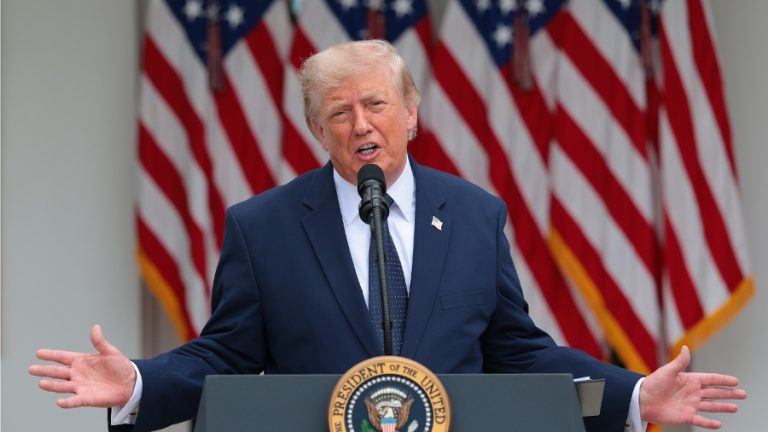
According to the Daily Mail, President Donald Trump stated in a recent interview that he would not rule out expanding U.S. military operations from Venezuela to Mexico and Colombia. In response to the long-standing flow of drugs from Mexico and Colombia, Trump hinted that the United States could take a tougher approach.
He pointed out that Mexico is a major source of multiple drugs entering the United States, including heroin, cocaine, and fentanyl. Since September of this year, the U.S. has launched 22 strikes in the Caribbean Sea and eastern Pacific against vessels suspected of drug trafficking, resulting in at least 87 deaths.
When asked by a Politico reporter whether military action could be taken against other Latin American countries heavily involved in the drug trade, Trump replied, “Sure, I would.”
Trump’s pressure on Venezuela escalates
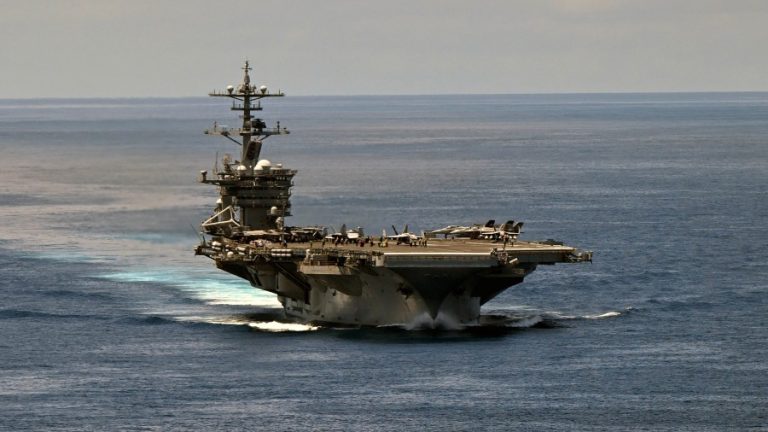
A large U.S. military force, including naval warships and special operations units, has already been deployed in the Caribbean to apply pressure on the regime of Venezuelan President Nicolás Maduro.
When asked whether the United States might send ground troops into Venezuela, Trump said, “I don’t want to rule it out, and I don’t want to confirm it either. I don’t discuss military strategy.”
Success
You are now signed up for our newsletter
Success
Check your email to complete sign up
Venezuela, for its part, believes the true objective of U.S. actions in the region is to push Maduro out of power.
The Daily Mail also reported that Trump recently pardoned former Honduran president Juan Orlando Hernández, who had been serving a lengthy sentence in the United States on multiple drug-related charges. Trump said he “didn’t know Hernández very well,” but that “people I trust” told him the former leader had been “treated unfairly.”
Trump did not specify who requested the pardon. Given the administration’s intensified anti-drug stance, the move has raised questions among observers.
RELATED: Trump Warns Airlines: Avoid Venezuela as Safety Deteriorates
Anti-drug military strikes may expand
According to Newsweek, Trump acknowledged that he is considering expanding military operations against drug targets to Mexico, Colombia, and other countries. Since September, he has authorized multiple strikes against Venezuelan smuggling boats and reinforced U.S. naval deployments in the region.
Trump described these actions as a necessary escalation to curb the flow of drugs into the United States, even referring to them as an “armed conflict” with drug cartels.
In an interview with Politico reporter Dasha Burns, he again declined to rule out a ground operation in Venezuela and said that Maduro’s “days are numbered.”
Amid escalating rhetoric and military activity, regional governments are increasingly alarmed by the risk of open confrontation with the United States. Officials in Mexico and Colombia have publicly rejected any suggestion of U.S. military operations on their soil, stressing that drug trafficking is a shared challenge that requires coordination, not unilateral force.
Analysts warn that expanding armed operations beyond Venezuela could destabilize fragile political balances across Latin America, strain diplomatic relations, and potentially ignite wider conflict involving multiple state and non-state actors already entrenched in the region’s drug networks.
Regarding U.S. objectives in Venezuela, Trump said he hopes the Venezuelan people will be “treated well” and emphasized that Venezuelan expatriates living in the United States should be “respected.”