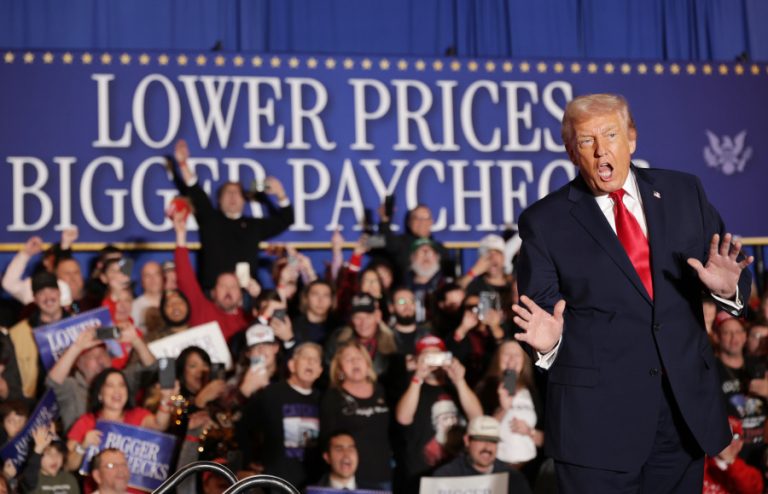
The Daily Mail reports that President Trump is backing a Republican proposal to send $1,500 checks directly to the health savings accounts (HSAs) of millions of Americans. Under the plan, led by Senators Bill Cassidy (Louisiana) and Mike Crapo (Idaho), eligible Affordable Care Act (ACA) enrollees would receive a one-time grant: $1,000 for those aged 18–49, and $1,500 for those aged 50–64.
Speaking to reporters on Air Force One, President Trump explicitly expressed support for the legislation. He said, “I like the concept. I don’t want to give money to insurance companies; they have been exploiting the public for years.”
The proposal stipulates that ACA enrollees with incomes up to 700% of the poverty line would benefit, and they must purchase a bronze or catastrophic plan on the ACA exchange to receive the pre-funded HSA deposit.
Trump told Politico, “I want people to get better healthcare for less money. The money goes directly to the people, and they can choose the insurance they actually need.”
Background and impact: ACA subsidies are expiring, healthcare costs rising
Newsweek notes that this Republican proposal comes as healthcare costs for more than 20 million Americans are set to rise in January, because Congress has not yet decided whether to extend the ACA tax credits set to expire on Dec. 31. Democrats want to extend the subsidies for two to three years, while Republicans have proposed a competing plan.
Success
You are now signed up for our newsletter
Success
Check your email to complete sign up
The Democrats are expected to push the Senate to vote on their subsidy extension plan this week, but with insufficient Republican support, the bill is unlikely to pass. However, as a condition for ending last month’s government shutdown, Republicans agreed to allow the Democrats to hold the vote.
HSAs are tax-advantaged accounts that can be used for qualified medical expenses. Contributions are tax-free, growth is tax-free, withdrawals for eligible expenses are tax-free, and funds can roll over year to year. The Republican proposal specifies that HSA funds cannot be used for abortion or gender-transition-related care.
Additionally, the plan would continue ACA “cost-sharing reduction” subsidies to lower premiums, but may reduce the subsidy amounts for some enrollees and expand access to low-cost “catastrophic” insurance. Another provision would cut federal funds to states providing Medicaid to undocumented immigrants.
Other alternative proposals have also emerged within the Republican Party. For example, Ohio Senator Bernie Moreno introduced the “Consumer Affordability and Responsibility Enhancement Act” (CARE Act), aiming for a short-term extension of ACA tax credits and a two-year transition period for subsidies phased out since the pandemic.
Trump: ‘The people will get the money’
President Trump reiterated, “The people will get the money, and then buy the health insurance they actually want.”
But Democrats and left-leaning think tanks criticized the plan as unworkable. The Center for American Progress said the proposal “is not a substantive healthcare solution, shifts more financial risk onto families, destabilizes the insurance market, and revives products previously shown to have little value.”
Republican Senate Majority Leader John Thune said the plan would make premiums more affordable, with analyses from the Congressional Budget Office showing potential double-digit reductions, “while directly benefiting patients rather than insurance companies, and saving taxpayer money.”
Supporters of the plan argue it protects millions from sudden premium spikes and reduces out-of-pocket costs. They say extending subsidies ensures continuity of coverage, strengthens marketplace stability, and prevents a rollback of gains achieved under the ACA.
The Senate will vote on the Republican plan on Thursday. The same day, it will also vote on the Democratic subsidy extension plan. The outcome of these votes will directly shape the direction of the U.S. healthcare market starting in 2025.