By Gao Yun
A new round of screening measures for H-1B visa applicants took effect in the United States on Monday, December 15, expanding social media scrutiny for high-skilled foreign workers and their accompanying family members.
According to the U.S. Department of State, all H-1B visa applicants and their H-4 dependents are now subject to enhanced reviews of online activity, including publicly available social media content, as part of the visa adjudication process.
Expanded social media screening
The State Department said the updated policy adds an additional layer of oversight to existing visa screening procedures. Consular officers will review applicants’ public social media posts, online connections, and related information when assessing eligibility.
Under the new rules, applicants are required to submit the usernames of all current and previous social media accounts used within the past five years. Those accounts must be set to public access to allow for review.
Success
You are now signed up for our newsletter
Success
Check your email to complete sign up
The measure extends a screening framework that had previously applied to international students and exchange visitors. Applicants for F, M, and J non-immigrant visas have long been subject to similar social media disclosure requirements. By formally including H-1B and H-4 visa categories, U.S. authorities are further standardizing screening practices across major visa programs.
Impact on high-skilled workers
The H-1B visa has long been one of the primary pathways for high-skilled foreign professionals to work in the United States. By comparison, F, M, and J visa programs collectively involve more than 1.5 million international students and visiting scholars each year.
As a result, the expanded screening is expected to affect a significant segment of the U.S. workforce, particularly in technology, healthcare, and academic sectors.
The H-1B visa is also one of the few U.S. non-immigrant visas that allows “dual intent,” meaning holders may legally pursue permanent residency while working under a temporary visa. However, U.S. authorities emphasize that during visa interviews, applicants must focus on their immediate purpose—employment—rather than long-term immigration plans.
Broader policy context
U.S. officials have described the updated screening requirements as part of broader national security efforts, stressing the use of “all available information” to identify individuals who may be ineligible for entry or pose potential security concerns.
The policy comes amid a broader tightening of U.S. immigration oversight during President Donald Trump’s administration. In recent years, measures have included intensified scrutiny of visa holders, an increase in visa revocations, and expanded enforcement actions targeting employers accused of displacing domestic workers.
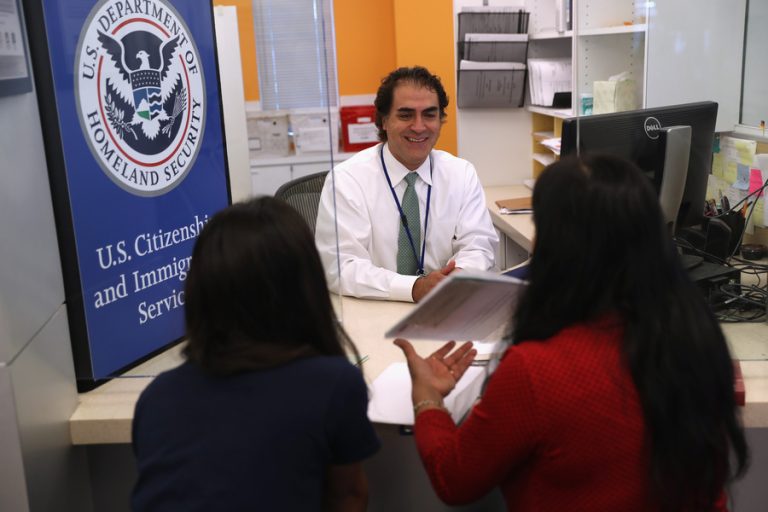
At the federal level, the move aligns with wider administrative trends. The U.S. Citizenship and Immigration Services (USCIS) has already begun collecting social media identifiers from applicants for visas and citizenship. Separately, the Department of Homeland Security (DHS) has introduced policies that treat anti-Semitic content as a negative factor in visa and immigration adjudications.
The administration has also promoted greater interagency coordination. The U.S. Department of Labor, for example, is advancing its “Project Firewall” initiative to strengthen compliance and oversight related to employment-based visas.
Official statements and debate
In a statement, the State Department said the policy is rooted in national security considerations, emphasizing that visa adjudication requires careful scrutiny to ensure applicants do not pose risks to the United States or its national interests. The department stressed that applicants must credibly demonstrate their eligibility and that U.S. visas are granted as a privilege rather than a right.
The expanded screening has drawn criticism from some policy experts and advocacy groups, who argue that increased monitoring of online speech could have a chilling effect on free expression, prolong processing times, and raise barriers for U.S. companies and universities seeking skilled workers.
Stuart Anderson, executive director of the National Foundation for American Policy, said the H-1B visa plays a critical role in the U.S. economy, particularly in science and technology fields. He noted that H-1B visas are often the only long-term option for U.S. employers seeking to hire high-skilled foreign professionals and that international students make up a large share of full-time graduate enrollment in key technical disciplines.
Supporters of the policy argue that, amid heightened immigration enforcement and security concerns, the measures help protect U.S. interests.
The State Department has advised H-1B and H-4 applicants to prepare for longer processing times and to ensure that their online activity is consistent with information provided in their visa applications. U.S. employers are also encouraged to assess potential impacts, including possible delays in employees’ return-to-work timelines, and to ensure compliance with evolving immigration and labor regulations.