The conviction of Jimmy Lai, founder of Hong Kong’s Next Digital (Apple Daily) media group, under the territory’s National Security Law has drawn sharp criticism from Taiwan and the international community, with President Lai Ching-te warning that the case is designed to create a chilling effect and deter global support for Taiwan.
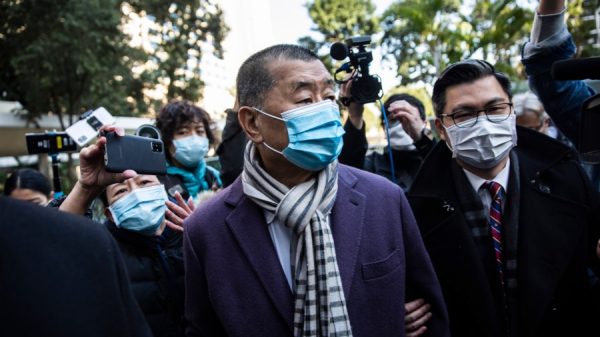
On Dec. 15, a Hong Kong court found Lai guilty on three charges, including conspiracy to publish seditious materials and conspiracy to collude with foreign or external forces to endanger national security. Sentencing is expected to be announced early next year.
The ruling has triggered widespread concern in Taiwan and abroad. Analysts say the case underscores a broader trend in which Beijing and Hong Kong authorities are steadily narrowing political and speech freedoms under the framework of the National Security Law.
Lai Ching-te: CCP abuses of human rights ‘beyond limit’
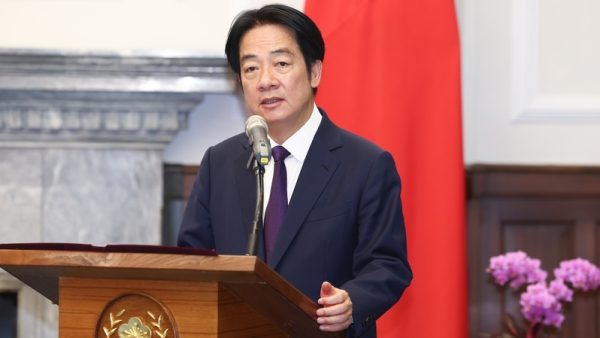
Speaking at a meeting of the Democratic Progressive Party (DPP) Central Standing Committee—where he also serves as party chair—President Lai said the conviction of Jimmy Lai, along with Beijing’s recent sanctions against Shigeru Iwasaki, a former chief of staff of Japan’s Joint Staff, demonstrate that the Chinese Communist Party’s (CCP) violations of freedom and human rights have reached what he described as “an extreme and unacceptable level.”
Lai said such actions not only contravene international human rights norms, but also reveal an attempt by Beijing to manufacture a chilling effect aimed at discouraging the international community from supporting Taiwan.
Success
You are now signed up for our newsletter
Success
Check your email to complete sign up
He emphasized that in the face of growing threats from the CCP, Taiwan would continue to work closely with like-minded international partners to safeguard democracy, freedom, and security. Lai also called on Taiwan’s political parties to remain united on external affairs, stressing that while parties may compete domestically, they should stand together in defending Taiwan’s values and international position.
International backlash over Jimmy Lai verdict
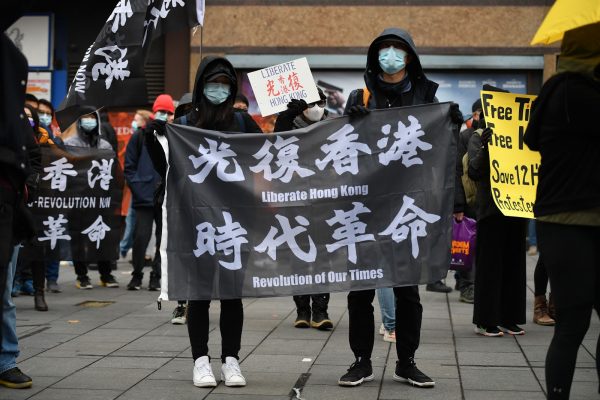
The verdict against Lai has drawn condemnation from international organizations, including Reporters Without Borders and the Hong Kong Journalists Association, both of which said the ruling amounts to a serious blow to press freedom and violates previous commitments made by Beijing regarding Hong Kong’s autonomy.
In Taiwan, the Mainland Affairs Council, which oversees cross-strait policy, also issued a strong rebuke, saying the case runs counter to judicial fairness and fundamental freedoms.
Despite mounting international criticism, the Hong Kong government and Beijing have maintained that National Security Law prosecutions fall under China’s internal affairs. China’s foreign ministry has continued to promote its positions on Taiwan in international forums, while reiterating its claims over the island.
Taiwan’s Ministry of Foreign Affairs has pushed back against related narratives, including renewed claims by Beijing seeking to further “lock in” Taiwan’s international status, calling such arguments distortions that mislead the global community.
A growing regional and global fault line
Observers say the sequence of events highlights how, under Beijing’s tightening national security framework, issues of freedom, human rights, and democratic values in both Taiwan and Hong Kong have become increasingly central to regional and global politics.
Hong Kong writer Ngan Chun-gok was particularly outspoken, criticizing the trial for excluding a jury and applying provisions of the National Security Law retroactively. He argued that the charge of subversion was effectively fabricated, and that by convicting Lai, authorities had paradoxically elevated him in history.
According to Ngan, while a ruling party may seek to dominate society, it is ultimately the people who shape history—and history’s judgment, he said, remains the final judgment.