By Gao Yun
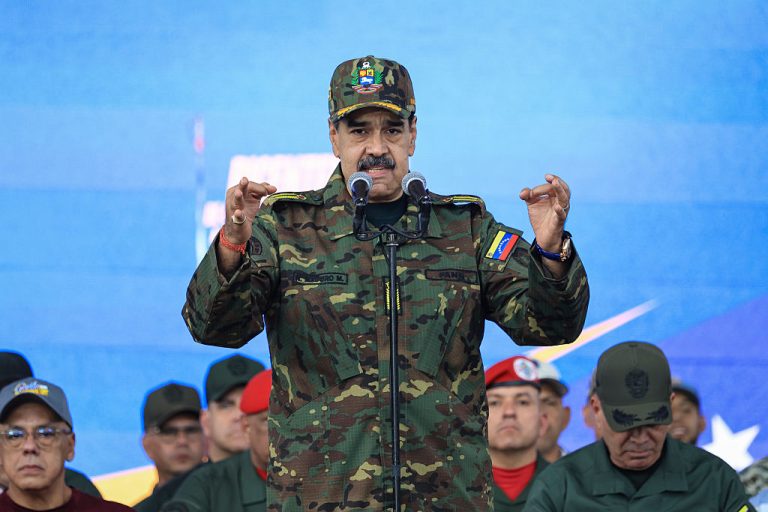
U.S. Secretary of Homeland Security Kristi Noem said on Monday, Dec. 22, that a recent U.S. operation—including lethal strikes against vessels suspected of drug smuggling and the interception of tankers carrying Venezuelan crude oil—was intended to deter illegal activity and send a clear signal: the United States wants Venezuelan leader Nicolás Maduro to step down.
Speaking Monday on Fox News’ Fox and Friends, Noem said, “We’re not just intercepting these vessels; we’re also sending a message to the world—that the illegal activities Maduro is involved in are unacceptable. He must step down, and we will stand up to protect the interests of our people.”
According to the report, the U.S. Coast Guard, which falls under Noem’s authority, is responsible for overseeing the tanker interceptions. Meanwhile, U.S. Southern Command under the Department of Defense coordinated the buildup of military forces near Venezuela and strikes against so-called drug-smuggling vessels. Since early September, these strikes have resulted in about 100 deaths.
The U.S. government also accuses Maduro of leading a drug-trafficking organization known as the “Cartel of the Suns” (Cartel de los Soles). The report says the group includes several senior Venezuelan government officials and has been designated a foreign terrorist organization by the U.S. government.
Success
You are now signed up for our newsletter
Success
Check your email to complete sign up
Noem added, “These are enemies of the United States that we are taking tough action against. Our Coast Guard has performed exceptionally well—safely intercepting these vessels while sending a strong message that we will stop this flow and continue to defend our country.”

Maduro says tanker seizures are ‘theft’ and acts of ‘aggression’
In response to the U.S. actions, Venezuela’s foreign minister later appeared on state television Monday night to read a statement from Maduro. In it, Maduro described the seizure of two vessels as “theft” and an “act of aggression,” and called for an end to what he termed “piracy.”
U.S. President Donald Trump has previously suggested that Maduro’s days in power are numbered, but has not explicitly stated that Washington is trying to remove him. The report notes that Trump has repeatedly said he would consider ground attacks against Venezuela, while stopping short of directly confirming that the United States seeks Maduro’s ouster.
U.S. Secretary of State Marco Rubio also declined last Friday to comment on whether the United States is attempting to push Venezuela’s president out of office.
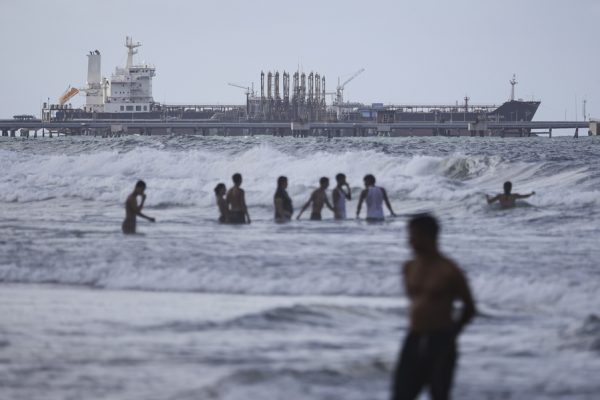
Since the beginning of this month, the United States has seized two oil tankers near Venezuelan waters and launched a pursuit of a third tanker last Sunday.
Oil revenue is critical to the Maduro regime. For many years, crude oil sales have accounted for more than 90% of Venezuela’s export earnings and are a key economic pillar supporting government operations and its core power structure.
Analysts say a U.S. blockade of Venezuelan oil could not only place severe survival pressure on the oil-dependent Maduro regime but also affect its key ally, Cuba. For years, Venezuela has provided Cuba with discounted oil, offering crucial economic support to the Cuban government.
Data show that Venezuelan oil accounts for about 40 percent of Cuba’s oil import needs and is vital to Cuba’s electricity generation, transportation, and the operation of small businesses. The Wall Street Journal reported that Cubans broadly understand that if oil shipments from Venezuela were halted or significantly reduced, it would be a devastating blow to Cuba’s economy.