Three U.S. officials told Reuters on Saturday, Dec. 20, that the United States is intercepting and seizing a vessel in international waters near the coast of Venezuela. This comes just days after U.S. President Donald Trump announced a “blockade” of all sanctioned oil tankers entering or leaving the country.
This marks the second time in recent weeks that the United States has seized an oil tanker near Venezuela, as Washington continues a major military buildup in the region.
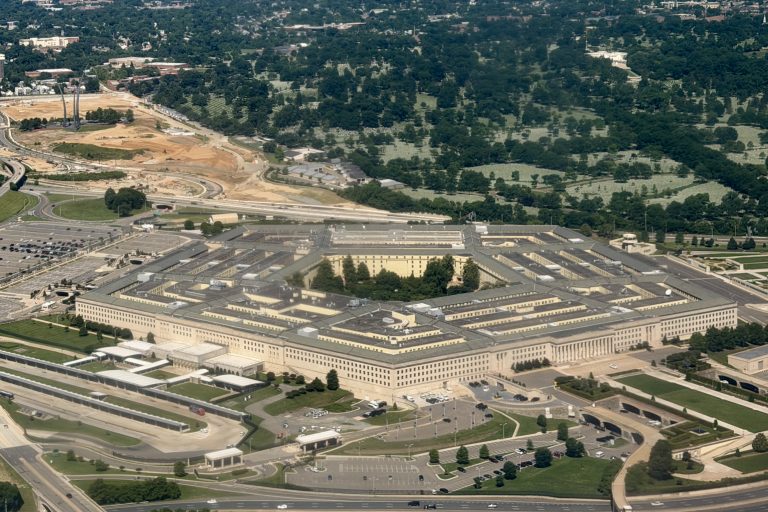
The U.S. Coast Guard and the Pentagon referred media inquiries to the White House, which has not yet commented. Venezuela’s Ministry of Petroleum and the state oil company PDVSA also did not immediately respond to requests for comment.
President Trump said on Tuesday that he had ordered a “full and total blockade” of all sanctioned oil tankers traveling to or from Venezuela.

Tanker seizures rapidly create de facto embargo
Tensions have escalated sharply since the United States seized a sanctioned tanker off the Venezuelan coast last week. Several vessels already loaded with crude oil and preparing to depart have chosen to remain in Venezuelan waters to avoid being intercepted by U.S. forces. Markets widely view this as amounting to a de facto maritime embargo.
Success
You are now signed up for our newsletter
Success
Check your email to complete sign up
Reuters noted that since the first seizure, Venezuela’s crude oil exports have dropped significantly, and the second escalation has further worsened export disruptions.
Although most vessels transporting Venezuelan crude have been placed under sanctions, some shipments remain outside the sanctions regime, including authorized vessels used by U.S. energy company Chevron.
Analysts say China is Venezuela’s largest crude oil buyer, accounting for about 4 percent of its total crude imports. Exports to China in December are expected to exceed 600,000 barrels per day. Global oil supplies remain relatively ample, with several million barrels of crude currently sitting in tankers off China’s coast awaiting unloading.
However, if the U.S. blockade continues, markets could face a supply shortfall approaching 1 million barrels per day, creating clear upward pressure on oil prices.
Dual military and economic pressure triggers strong response from Venezuela
Since the United States imposed energy sanctions on Venezuela in 2019, traders and refiners have relied heavily on so-called “shadow fleets” to transport crude. These tankers often evade oversight by turning off tracking systems, falsifying routes, or using vessels previously sanctioned for carrying Iranian or Russian oil.
According to data from TankerTrackers.com, more than 70 shadow tankers are currently operating in Venezuelan waters. About 38 of them have been sanctioned by the U.S. Treasury Department, with at least 15 already loaded with crude oil or refined products.
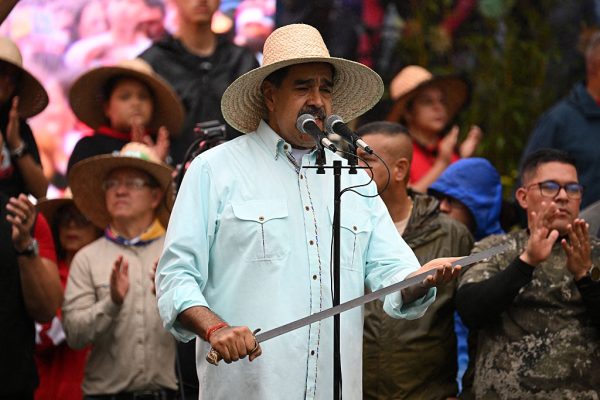
Reuters reported that pressure from the Trump administration on Venezuelan President Nicolás Maduro has expanded beyond economic measures to include military escalation. U.S. forces have recently increased deployments in the Caribbean and Pacific regions and have carried out more than 20 military strikes against vessels near Venezuelan waters, resulting in at least 100 deaths. Trump has also publicly stated that U.S. ground military operations in Venezuela would “begin very soon.”
Maduro has accused the United States of attempting to overthrow his government through these actions and of seeking to seize the energy resources of the OPEC country with the world’s largest proven oil reserves.