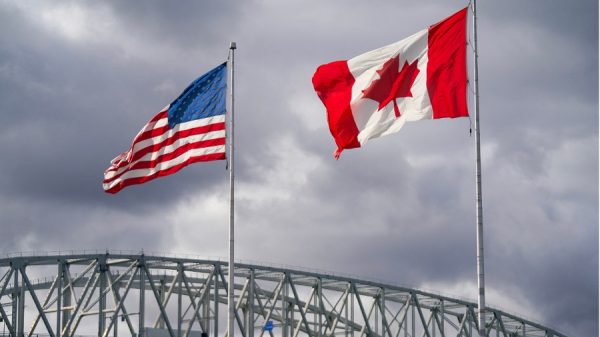
According to a July 20 Associated Press report, U.S. President Donald Trump signed three presidential proclamations imposing a 50 percent tariff on most Canadian goods under Section 338 of the Tariff Act of 1930. The administration cited what it described as Canada’s longstanding “discriminatory treatment” of U.S. products in sectors including automobiles, alcoholic beverages, and dairy products.
The White House said the new tariffs will take effect in 30 days, leaving a final window for negotiations between the two countries.
The move is regarded as one of Trump’s toughest trade actions against Canada since returning to the White House and marks a further escalation in North American trade tensions.
Trump invokes nearly century-old law targeting autos, alcohol, and dairy
According to a White House fact sheet, Trump invoked Section 338 of the Tariff Act of 1930, a provision that has rarely, if ever, been used in practice. The law authorizes the U.S. president to impose retaliatory tariffs of up to 50 percent when a foreign country is found to be unfairly discriminating against U.S. commerce.
The White House said the tariffs will cover a wide range of Canadian products, including wine, cement, and hockey equipment. The new duties may apply even to goods that satisfy the rules of origin under the United States-Mexico-Canada Agreement, or USMCA.
Success
You are now signed up for our newsletter
Success
Check your email to complete sign up
However, energy products, potash, fish, critical minerals, and certain goods already subject to other tariff measures will be exempt.
The United States argues that Canada has imposed a 25 percent import tariff on certain American vehicles, restricted the sale of U.S. alcoholic beverages, and granted European products more favorable treatment than American goods in its dairy market. Washington said retaliatory measures were therefore necessary.
The United States also previously declined to renew the USMCA, which took effect in 2020. The three countries have now entered a new round of trade negotiations that observers expect could continue for years.
Canada considers retaliation as businesses urge talks during 30-day window
Canadian officials quickly responded with strong warnings following the U.S. announcement.
Ontario Premier Doug Ford said that if Washington ultimately implements the 50 percent tariff, Canada should respond “tariff for tariff, dollar for dollar.”
Candace Laing, president and CEO of the Canadian Chamber of Commerce, called the U.S. decision regrettable and expressed hope that both sides would use the 30-day period before implementation to hold substantive negotiations and prevent the dispute from escalating further.
The U.S. alcohol industry has also expressed concern about a widening trade conflict. Chris Swonger, president and CEO of the Distilled Spirits Council of the United States, urged Washington and Ottawa to reach an agreement as soon as possible and restore access for American spirits in the Canadian market, thereby limiting the impact on the restaurant and beverage industries.
Experts warn of growing trade uncertainty
Economists have offered mixed reactions to the new measures.
Scott Lincicome, vice president of general economics and trade at the libertarian Cato Institute, said Section 338 has been described as the “nuclear option” in Trump’s tariff policy. Its use means the United States could theoretically impose similar measures on other trading partners, significantly increasing uncertainty in global trade.
Reuters reported that the tariffs cover nearly US$20 billion worth of Canadian goods. It is the first time the Trump administration has formally invoked the nearly century-old statute.
The move also indicates that the White House is turning to new legal mechanisms to advance its tariff agenda after the U.S. Supreme Court ruled earlier this year that the president could not broadly impose tariffs by citing a national economic emergency.
Democratic lawmakers have criticized the tariffs, arguing that they could ultimately increase the cost of imported goods for American consumers and provoke further retaliation from Canada.
The White House, however, maintains that higher import tariffs will encourage manufacturers to return production to the United States and protect the competitiveness of American workers and businesses.
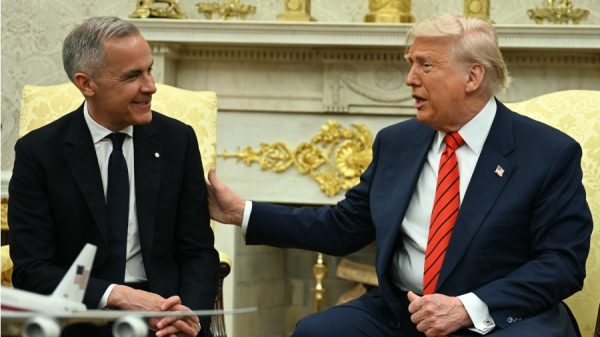
Tensions between Trump and Carney add uncertainty to trade dispute
Relations between the United States and Canada have deteriorated in recent years amid continuing trade disputes.
White House officials said Trump recently asked his team to examine whether additional trade measures should be imposed in response to smoke from Canadian wildfires affecting U.S. air quality. Officials emphasized, however, that the newly announced 50 percent tariff is not the previously discussed “wildfire tariff.”
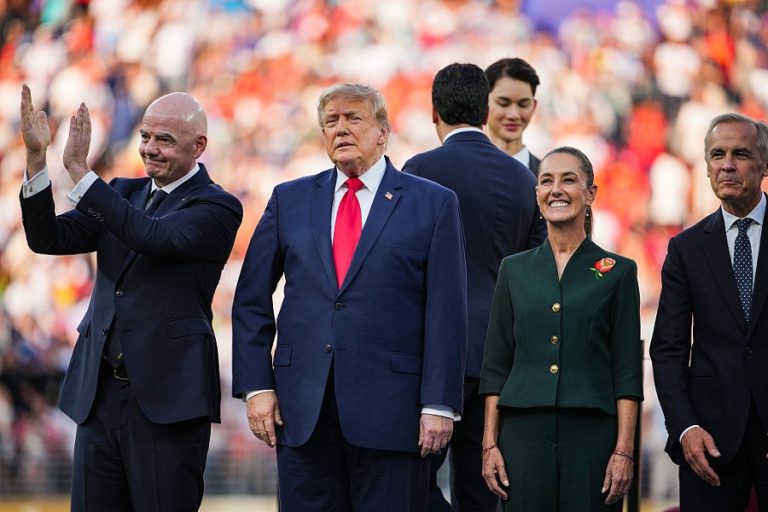
A day earlier, Trump and Canadian Prime Minister Mark Carney attended the World Cup final at the same venue, but the White House said the two leaders did not hold formal trade discussions.
During his election campaign last year, Carney pledged to firmly defend Canadian interests and expand Canada’s trade relationships with other countries.
At the World Economic Forum in Davos, Switzerland, earlier this year, he criticized some of the world’s “most powerful countries” for using economic pressure against smaller nations.
Trump later responded: “Canada exists because of the United States.”
The two leaders’ differences over trade and economic policy have continued, adding further uncertainty to relations between the neighboring countries.