By Jian Yi
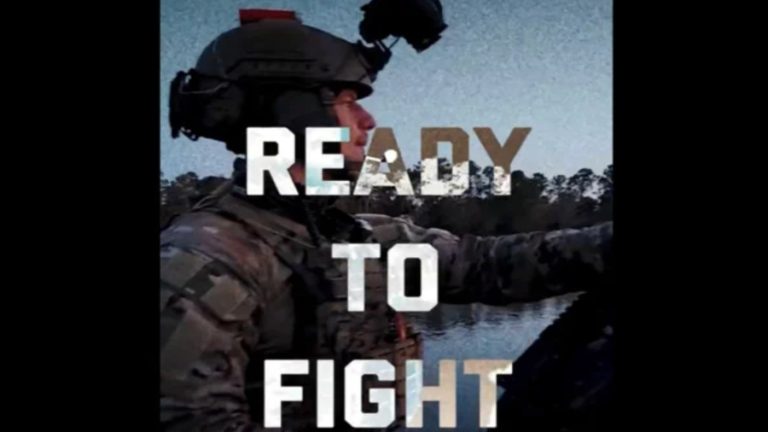
“The U.S. Navy is ready to fight. Day or night.”
The message appeared on the U.S. Navy’s official account on Dec. 29, accompanied by a 21-second video highlighting combat readiness, as the Chinese Communist Party (CCP) launched large-scale military exercises around Taiwan.
The short clip opens with the words “Ready to fight,” followed by rapid gunfire sounds, dramatic music, and tightly edited footage of U.S. sailors and marines in action. Shot in a cinematic style, the video delivered a brief but unmistakable signal of preparedness.
Online reaction to the Navy post
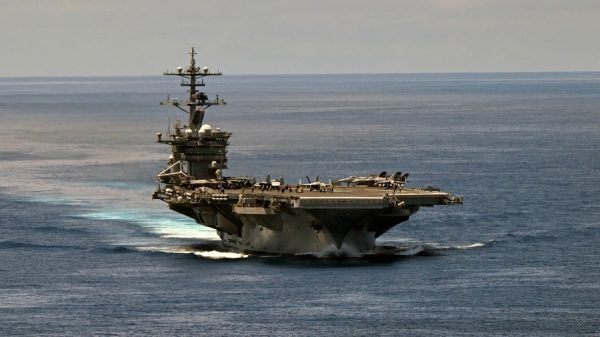
The post quickly drew widespread attention online. Many users expressed strong support for the U.S. military, posting messages praising the Navy and voicing confidence in U.S. military strength.
Success
You are now signed up for our newsletter
Success
Check your email to complete sign up
Others pointed to the timing of the release, noting that Chinese state-linked accounts had been circulating footage of military drills around Taiwan shortly beforehand. Some commenters argued that military strength serves as a deterrent to war, while weakness invites conflict.
Several users also expressed personal gratitude toward U.S. service members, including references to family members who had served in the Navy. A small number of Chinese users joined the discussion to express respect for the U.S. military.
Other comments reflected broader political views, including references to economic pressures in China and speculation about domestic instability. These views represented personal opinions shared by individual users online.
Taiwan responds to Chinese military activity
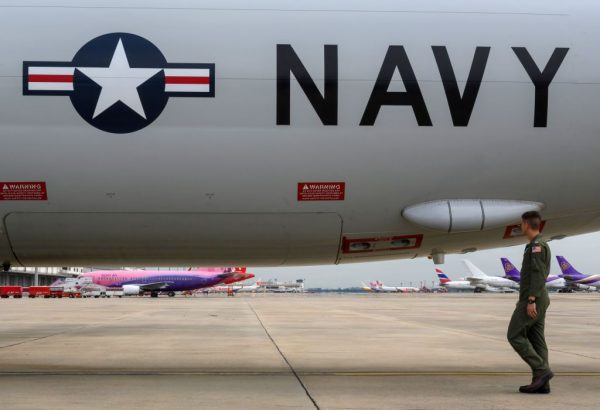
About 11 hours earlier, Taiwan’s Ministry of National Defense had issued a series of statements addressing Chinese air and naval operations near the island.
The ministry said Taiwan’s armed forces had carried out rapid-reaction drills and were closely monitoring developments. Joint air and maritime operations involving multiple service branches and the Coast Guard Administration were conducted to maintain a high level of alert.
In a separate statement, the ministry said it strongly condemned what it described as “irrational provocations” by the People’s Republic of China (PRC) and opposed actions by the People’s Liberation Army (PLA) that it said undermine regional peace. It added that rapid-response exercises were ongoing and that forces remained on heightened readiness to defend Taiwan and protect its population.
The ministry also released a video titled “Resilient Taiwan, Firm in Defense,” emphasizing preparedness, civil resilience, and cooperation with democratic partners. The video stressed that security cannot rest on illusion or be left to others to decide, highlighting the importance of self-preparedness and collective resolve.
Broader online responses
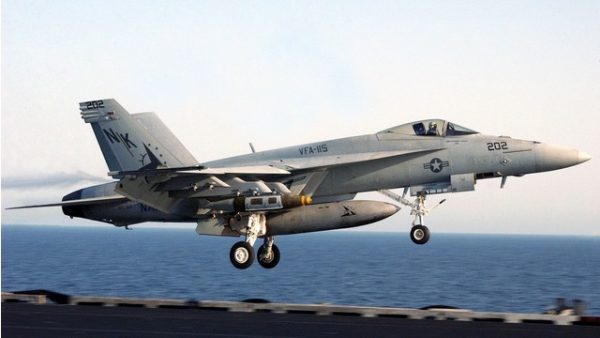
Discussion continued to spread across social media platforms. Users from different countries posted messages expressing support for Taiwan, opposition to authoritarian rule, and backing for democratic values.
Some international users, including those identifying themselves as Japanese, voiced support for Taiwan while also expressing pride in their own defense forces, occasionally using humor.
In recent weeks, similar expressions have appeared more frequently online, with some Chinese users publicly distancing themselves from the Chinese Communist Party and voicing support for the United States, Japan, and Taiwan.
Trump on alliances and resolve
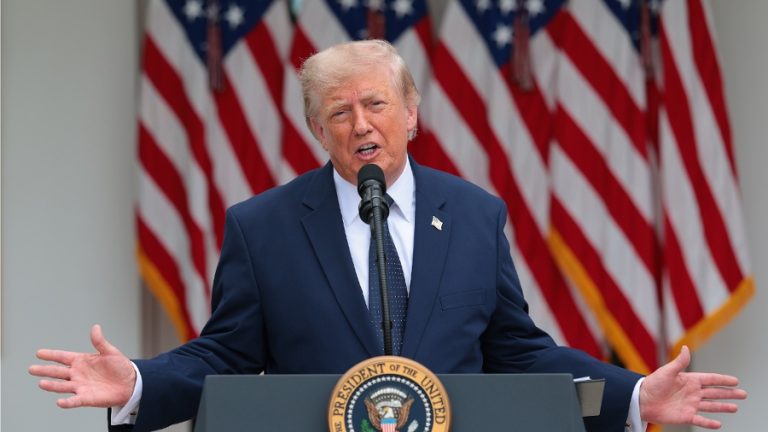
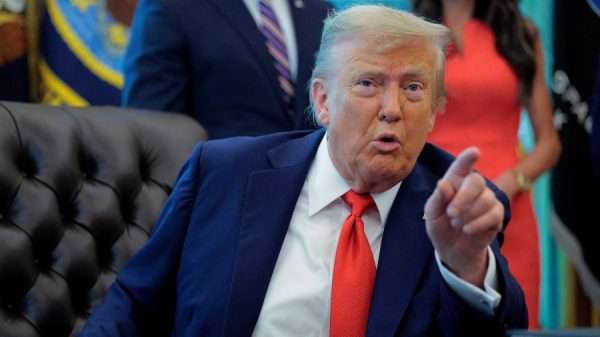
Former U.S. President Donald Trump has previously addressed alliance commitments in his book Make America Great Again. In the book, Trump wrote that the United States should stand firmly by its allies abroad and ensure that friendly nations do not doubt Washington’s resolve, while adversaries clearly understand America’s willingness to defend its interests.