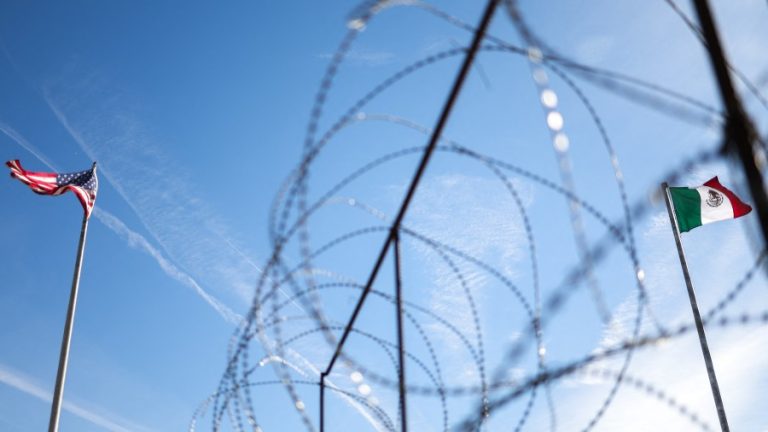
Over the past several weeks, the United States has carried out frequent operations in the Caribbean and Pacific regions against suspects accused of smuggling drugs from Venezuela, with multiple traffickers killed. The Trump administration stated that those targeted were all known members of criminal organizations. Although some members of Congress worry that ground operations could be misconstrued as a “declaration of war on Mexico,” officials inside the administration believe that only a display of force can truly deter the flow of drugs into the United States.
NBC quoted officials as saying that the U.S. military has begun early-stage training in preparation for intelligence and counter‑narcotics missions involving Mexico. This is part of a broader plan to combat cross‑border drug trafficking. Although Mexican President Claudia Sheinbaum has publicly denied that U.S. troops will enter Mexico, the two sides continue to cooperate at the intelligence level.
Sheinbaum said in August, “The United States will not send troops into our territory. We will cooperate and coordinate, but we will never allow an invasion.”
However, reports indicate that the White House is adopting a more flexible approach—deploying personnel under the cover of agents to carry out covert missions, while using drones to conduct targeted strikes against drug lords and drug‑manufacturing facilities.
Earlier this year, President Trump designated several drug cartels as “Foreign Terrorist Organizations,” enabling the United States to use more forceful measures against criminal networks deemed threats to national security. Trump firmly believes that only by using force to deter criminal groups can the American people be truly protected.
Success
You are now signed up for our newsletter
Success
Check your email to complete sign up
At the same time, Mexico is also actively cooperating. The Sheinbaum administration has allowed the Central Intelligence Agency (CIA) to expand flight and surveillance operations within Mexico, strengthening efforts to prevent drugs from crossing the border into the United States.
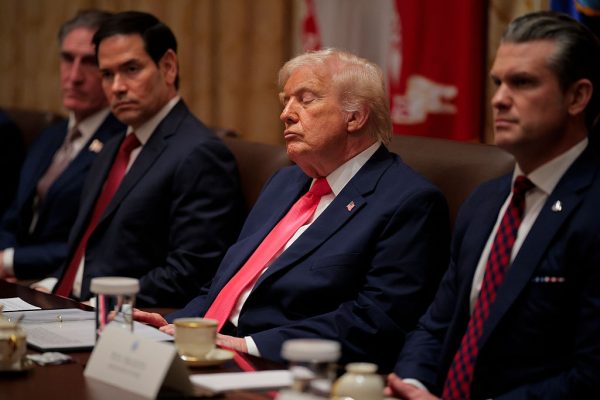
‘Zero tolerance for drugs:’ targeting ‘El Mencho’
U.S. Secretary of Defense Pete Hegseth posted on X last week, emphasizing: “The Western Hemisphere is no longer a safe haven for narco‑terrorists. The Department of War will continue to hunt them down—wherever they hide—until they are completely eliminated.”
According to reports, the top target of this operation is the leader of Mexico’s “New Generation Cartel,” Nemesio Oseguera Cervantes, known as “El Mencho.”
Law‑enforcement sources revealed that U.S. special forces have already conducted joint training with the CIA in preparation for possible raid operations. Jack Riley, former head of the DEA’s Chicago office, said: “Blowing up a few hideouts is not the solution. This must be a sustained, coordinated, and forceful campaign.” He believes cooperation with Mexico is essential to ensure effectiveness.
Since September, the United States has launched airstrikes against at least 14 drug‑smuggling vessels off the coast of South America, killing more than 60 narco‑terrorists. Special operations planners are now focusing on using drones to strike command centers inside Mexico and the drug lords themselves.
Riley cautioned that law enforcement and the military have different objectives: “Law enforcement seeks justice, while the military’s goal is to send the enemy to the grave.” Still, most analysts believe the Trump administration’s hardline strategy represents a critical turning point in America’s war on drugs.
As the report notes, nearly 55 years have passed since President Richard Nixon declared the “War on Drugs,” and the Trump administration is now attempting to bring this long struggle to a true victory.