According to Fox News, just hours before being captured by U.S. forces, Venezuelan leader Nicolás Maduro was still attempting to solidify strategic ties with Beijing. This detail highlights the geopolitical struggle between China and the U.S. in the Western Hemisphere and reflects a major setback for the Chinese Communist Party’s long-term efforts in Latin America.
On Friday, Maduro met with China’s Special Envoy for Latin American Affairs, Qiu Xiaoqi, at the Miraflores Presidential Palace in Caracas. Both sides reaffirmed their so-called “strategic partnership” and declared their intention to jointly build a “multipolar world of peace and development.” However, this meeting was soon interrupted by reality.
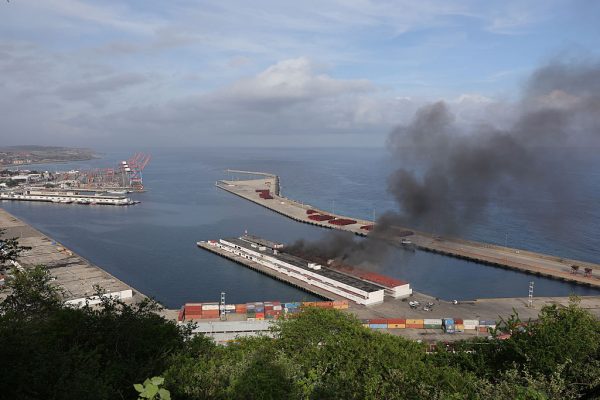
US forces raid Venezuela: Beijing caught off guard
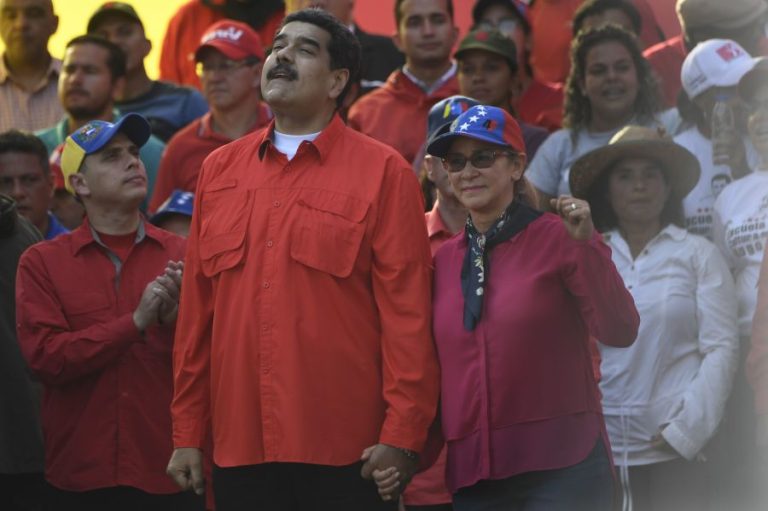
Hours later, U.S. President Donald Trump announced that U.S. forces had struck multiple Venezuelan military targets in a large-scale nighttime operation and had detained Maduro and his wife, Cilia Flores, before extraditing them out of the country.
This represents the most direct U.S. military action against a sitting Latin American leader since the 1989 U.S. invasion of Panama. The Trump administration described the operation as the “final net” targeting Maduro over long-standing allegations of drug trafficking, illegal rule, and other charges.
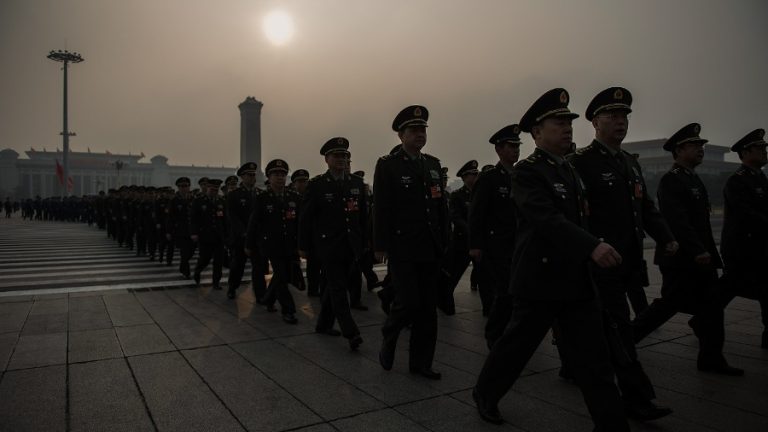
By contrast, China’s response was noticeably slow. The Chinese Foreign Ministry issued a statement expressing that it was “deeply shocked and strongly condemns” the U.S. action, accusing Washington of “openly using force and severely violating Venezuelan sovereignty.”
‘Belt and Road’ key node out of control, CCP influence diminished
Success
You are now signed up for our newsletter
Success
Check your email to complete sign up
For years, China has invested billions in loans and energy projects in Latin America under the Belt and Road Initiative, with Venezuela being one of the most important nodes. Beijing is not only Caracas’s largest crude oil buyer but has also been repeatedly accused by the U.S. of acting as a key “lifeline” for Maduro’s regime.
U.S. officials believe that China, Russia, and Iran collectively supported the Maduro government, enabling it to survive international isolation, economic collapse, and corruption allegations. The U.S. military’s direct action effectively cut off China’s most critical political proxy in Venezuela, leaving its investments and influence in the country highly uncertain.
The Trump administration made it clear that it intends to reinforce the “Monroe Doctrine,” opposing authoritarian powers—including China—from establishing strategic footholds in the Americas.

Beijing’s embarrassing position exposed: meeting provided no security guarantee
Notably, when asked about Maduro’s meeting with the Chinese envoy prior to his arrest, Trump downplayed U.S.-China friction on Fox & Friends, stating that he had a good relationship with Chinese President Xi Jinping, “they will get the oil, no problem.”
Observers interpreted this as showing that Beijing failed to provide substantive security guarantees to its ally and could not effectively counter the U.S. at a critical moment. Maduro’s rapid fall after meeting the Chinese envoy underscores the hollow nature of China’s “political endorsement” in Latin America.
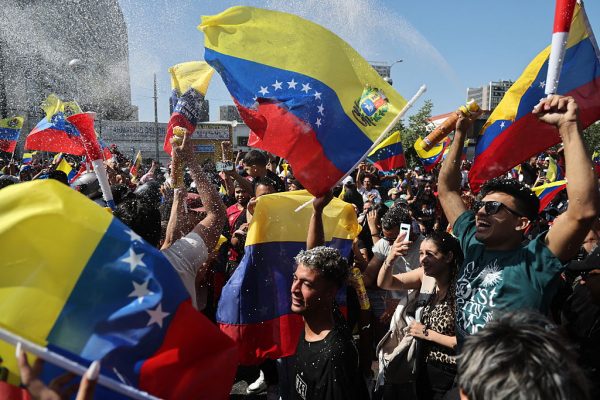
US military strike shakes Caracas; Maduro extradited to the US
According to the New York Post, the U.S. airstrike began around 2 a.m. local time. Multiple military facilities in Caracas and the surrounding states of Miranda, Aragua, and La Guaira were targeted. The country’s largest military base, Fuerte Tiuna, experienced massive explosions and fires, causing temporary blackouts in some areas.
Maduro was subsequently extradited to the United States to face multiple charges of drug trafficking and “drug terrorism.” The U.S. alleges that he cooperated with international drug cartels, sending up to 250 tons of cocaine to the U.S.
With the forced end of the Maduro regime, Beijing’s strategic presence in Venezuela—and in Latin America more broadly—is facing an unavoidable systemic retreat.