By Tian Jingxin
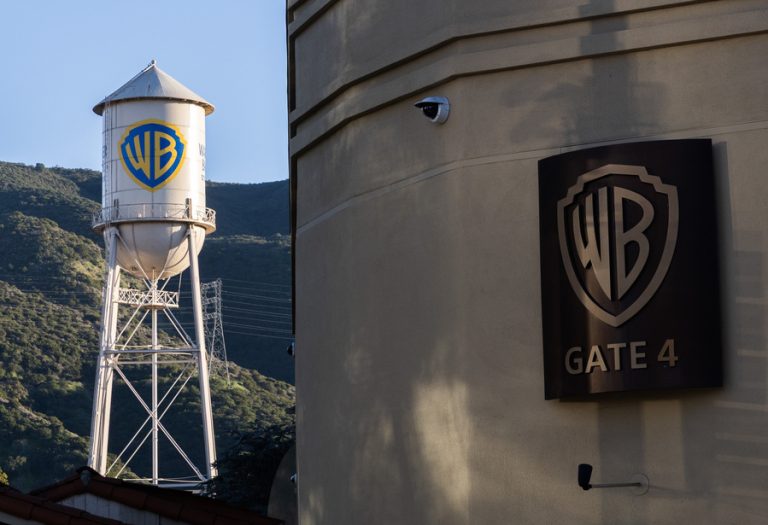
On Jan. 7, a pivotal moment occurred in what is considered one of the most intense merger battles in Hollywood history. The board of Warner Bros. Discovery (WBD) announced a unanimous vote to reject a $108.4 billion hostile takeover bid from Paramount Global (now Paramount Skydance), controlled by the Ellison family.
Paramount’s submission was a revised all-cash offer, valuing the company at $30 per share, higher than its previous bid. To address Warner’s concerns over financing, Oracle founder and billionaire Larry Ellison personally offered an irrevocable $40.4 billion guarantee to support the deal, led by his son David Ellison.
However, Warner’s board chairman Samuel Di Piazza Jr., in an open letter to shareholders, stated that the board viewed the deal as “too risky” and “undervalued.”
Warner argued that the offer essentially amounted to a highly destructive leveraged buyout (LBO). If executed, it would become the largest LBO in history, with nearly $95 billion in debt financing that could overwhelm the merged entity in a volatile interest rate environment.
Success
You are now signed up for our newsletter
Success
Check your email to complete sign up
Another key reason Warner rejected Paramount’s bid was its existing “core spin-off” agreement with streaming giant Netflix. Under Warner’s current strategy, the company plans to sell its most valuable studio assets, including Warner Bros. Studios and streaming platforms HBO and Max, to Netflix for $82.7 billion, while spinning off traditional linear cable assets like CNN and Discovery Channel into a new entity called “Discovery Global.”
While this approach is smaller in scale than Paramount’s “full takeover” plan, Warner management believes Netflix’s all-cash-plus-stock offer is more certain and avoids the extremely complex antitrust scrutiny that the Paramount deal could trigger.
Regulatory filings show that abandoning the Netflix agreement in favor of Paramount would cost Warner $2.8 billion in penalties, plus an additional $1.9 billion from uncompleted debt swaps, for a total conversion cost of $4.7 billion.
Under CEO David Zaslav, Warner management has spent the past three years reducing the $43 billion debt load inherited from the Warner Media merger.
They are clearly unwilling to dive into an even larger “debt pit” created by a Paramount-Skydance integration while debt risks remain.
Market reactions to the board’s decision are mixed. Shareholders supporting Paramount argue that Warner’s board is sacrificing potential gains for “comfort” in the deal. Paramount’s $30-per-share offer exceeds Netflix’s implied valuation by roughly $18 billion in cash.
Meanwhile, other investors note regulatory uncertainties with the Netflix deal. The U.S. Department of Justice has expressed concerns about potential market concentration if Netflix acquires Warner’s core content assets.
Some politicians, including former President Donald Trump, have publicly commented on media industry consolidation trends, adding further policy uncertainty.
So far, Paramount has not issued an official statement regarding Warner’s latest decision. Sources say the Ellison family is evaluating multiple options, including legal avenues, to challenge the Warner board’s ruling.