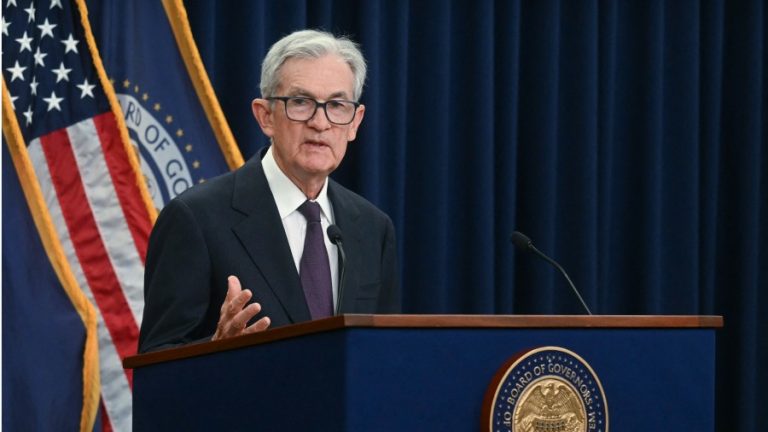
ABC News reports that U.S. inflation remained stable in December. Data from the Bureau of Labor Statistics (BLS) show that the Consumer Price Index (CPI) rose 2.7 percent year-on-year in December, in line with economists’ earlier expectations and marking the lowest level since July.
However, this rate is still nearly one percentage point higher than the Federal Reserve’s 2 percent inflation target, indicating that price pressures have not fully subsided.
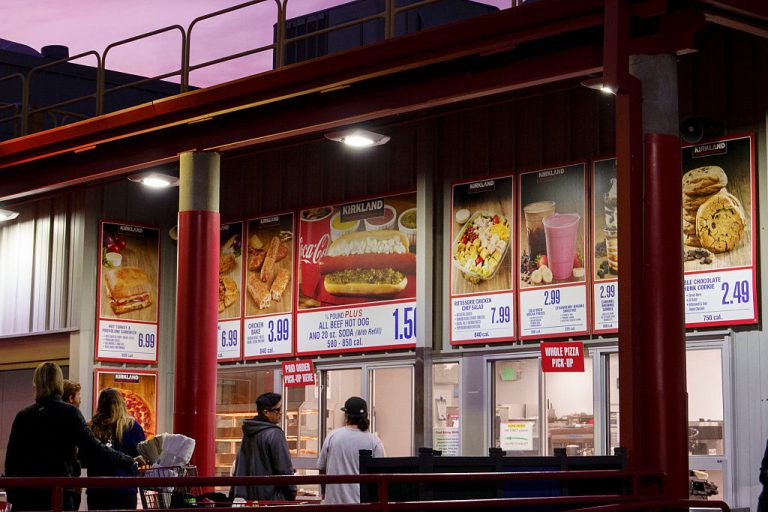
Looking at specific categories, some food prices remain elevated: coffee prices rose nearly 20 percent year-on-year, and beef prices rose about 16 percent. Meanwhile, egg prices fell sharply by about 20 percent year-on-year, partially offsetting overall inflation.
With inflation not yet fully back to target and job growth slowing in recent months, the Federal Reserve’s policy environment has become more complex.
Limited interest-rate tools and cautious policy space
The report notes that the Federal Reserve bears a dual mandate of “controlling inflation” and “promoting employment,” while in practice its core adjustable tool remains interest rates.
Success
You are now signed up for our newsletter
Success
Check your email to complete sign up
Late last year, the Fed cut rates at three consecutive meetings in response to a cooling labor market. Analysts also point out that while rate cuts stimulate demand, they may push inflation back up, raising the bar for policy decision-making.
For a long time, institutional independence in Fed interest-rate decisions has been viewed as a key foundation for stabilizing inflation expectations and financial markets. Analysts generally believe that if the central bank faces excessive short-term interference in policymaking, the risk of recurring long-term inflation could rise.
Investigation surrounding Powell sparks institutional discussion
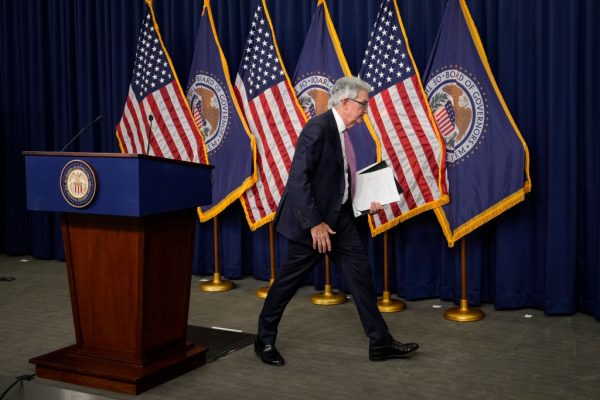
Reuters reports that a recent criminal investigation by the U.S. Department of Justice into Federal Reserve Chair Jerome Powell has drawn wide attention from political, economic, and financial circles.
The investigation focuses on Powell’s statements to Congress last year regarding the cost of renovation at the Federal Reserve’s historic headquarters building. Powell said he respects the rule of law and principles of accountability, but emphasized that related actions should be understood within a broader institutional context.
The Justice Department stated that the purpose of the investigation is to examine the use of public funds. A spokesperson for Attorney General Pam Bondi said that prioritizing investigations into any potential misuse of taxpayer money is the department’s consistent position.
The investigation was authorized by Washington federal prosecutor Jeanine Pirro. She stressed that law-enforcement decisions are based on the facts of each case and do not involve policy considerations.
Market reaction measured, institutional stability still in focus
After news of the investigation was disclosed, long-term U.S. Treasury yields moved higher, reflecting some investors’ sensitivity to future inflation and monetary policy independence. However, overall market reaction remained measured: major U.S. stock indexes closed higher, gold hit a record, and the dollar weakened.
Several former Fed chairs, including Janet Yellen, Ben Bernanke, and Alan Greenspan, together with bipartisan economic policymakers, issued a statement emphasizing the importance of the central bank’s institutional independence in rate-setting for economic stability.
Some Republican senators also said that relevant legal procedures should proceed cautiously to avoid unnecessary shocks to market confidence and the long-term policy framework.
Treasury Secretary Scott Bessent has reportedly also expressed concern to President Donald Trump, believing the matter could disrupt financial markets in the short term.
Analysts note that the current relative calm in markets stems more from signals of support for institutional stability from Congress and the economic community than from any disregard of inflation risks.
The central focus of current U.S. economic discussion remains whether disinflation is sustainable and whether monetary policy can continue to be implemented steadily in a complex environment.
Legal and institutional debates surrounding the Federal Reserve’s operations have added short-term complexity to the policy landscape, but markets remain more focused on the inflation trajectory, interest-rate outlook, and policy continuity itself.