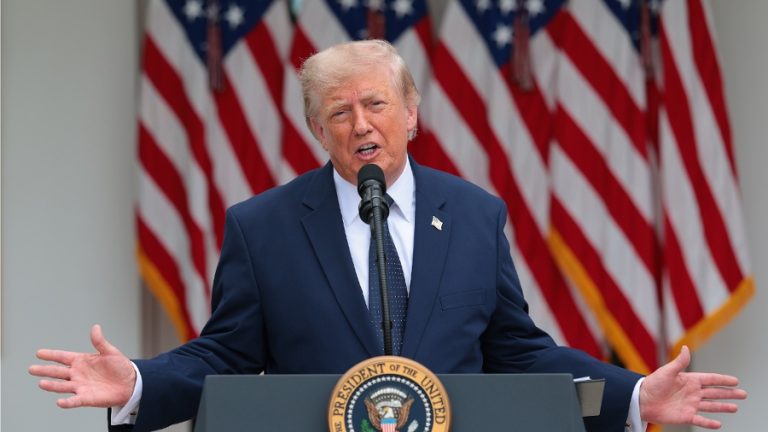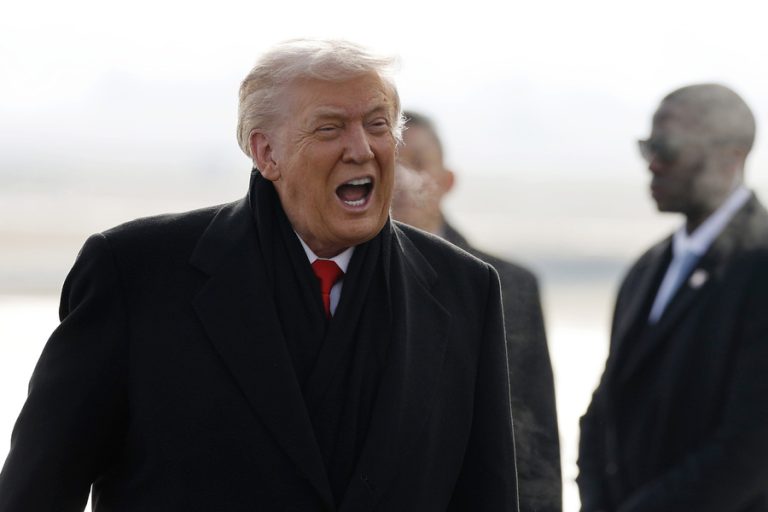
Fox News commentary notes that U.S. President Donald Trump’s appearance at the World Economic Forum (WEF, or Davos Forum) not only brought renewed global attention to the gathering of international leaders, but also effectively reshaped its agenda.
The commentary notes that without the U.S. president’s participation, Davos’ presence in international discourse had gradually declined in recent years. Trump’s arrival refocused the forum on global political and economic issues.
Fox News suggested that Trump’s speech itself was a reconstruction of the “globalist narrative” — he did not cater to the international elites present, but repeatedly emphasized the strength of the U.S. economy and the institutional advantages behind it, signaling to the world that “America remains the core engine of the global economy.”
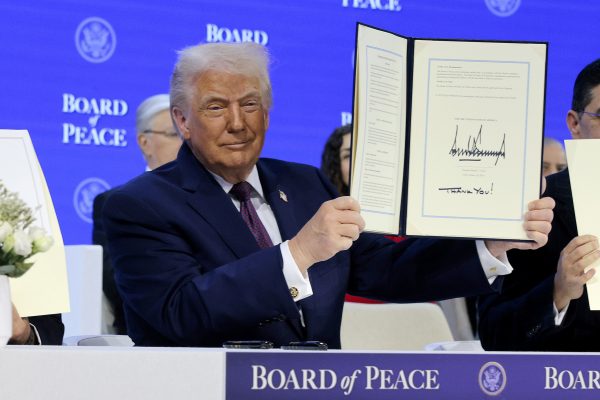
Emphasizing economic strength: targeting the midterms
Fox News further commented that Trump’s remarks at Davos were effectively a “remote message” to domestic voters. Whether in Davos, Switzerland, or in the upcoming trip to Iowa, Trump repeatedly highlighted economic performance with a clear purpose: economic issues will be decisive in the U.S. midterm elections.
Historical data shows that in the midterm elections of the second term of the last four Republican presidents — Eisenhower (1958), Nixon/Ford (1974), Reagan (1986), George W. Bush (2006) — the ruling party suffered significant losses in the House, losing 49, 48, 5, and 30 seats respectively. Political patterns usually work against the ruling party, making Trump’s emphasis on economic achievements a key strategy to break the “sixth-year curse.”
Success
You are now signed up for our newsletter
Success
Check your email to complete sign up
Greenland and security: signaling without escalation
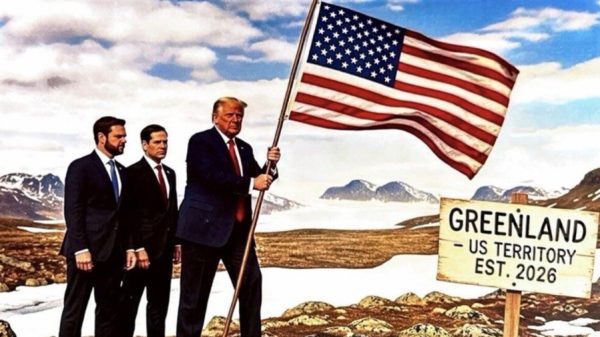
During the press Q&A, Trump’s statements regarding Greenland drew attention. He clearly stated: “I will not use force.”
This comment quickly eased market concerns about potential NATO internal conflicts. At the same time, Trump sent a clear signal: “You can say ‘yes,’ and we will greatly appreciate it; you can say ‘no,’ but we will remember.”
Fox News argued that this reflects Trump’s consistent negotiation style — avoiding military escalation while retaining political and economic leverage. After the statement, global financial markets stabilized, indicating that investors had clear expectations of the U.S. stance.
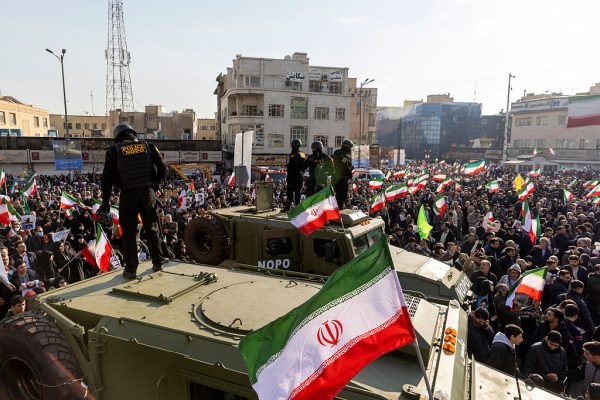
Iran and the redefinition of global order
In a brief post-forum Q&A, Trump addressed Iran, saying: “Iran used to be a bully in the Middle East, but it is no longer.”
European reporters did not follow up on domestic human rights issues in Iran, but the U.S. clearly views Iran as a security issue that must be addressed. The U.S. Navy’s USS Abraham Lincoln (CVN-72) carrier strike group has already moved toward the Middle East, with multiple military resources deployed simultaneously. Analysts believe this deployment itself sends a strong deterrent signal.
Fox News further noted that the Trump administration’s choice is not whether to respond to Iran, but “how to respond.” Failure to take substantive action would be seen as indulgence, potentially resulting in more destructive consequences.
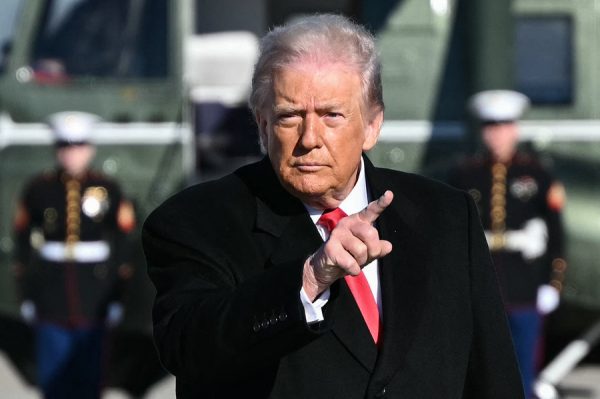
Trump dismantling the old agenda
The Guardian commented that Trump’s speech emphasized national interest and U.S. primacy, directly challenging the traditional Davos agenda.
Multiple U.S. media outlets noted that the core significance of Trump’s Davos visit lies not in specific policies, but in reshaping the global agenda. For a long time, Davos focused on globalization, climate, and transnational governance, whereas Trump refocused it on national interest, economic strength as the source of influence, and security issues over institutional ideals.
Trump’s presence itself changed the nature of the forum — from a “consensus platform” to a “stage for position-setting.” He did not seek to integrate into the existing system but used America’s economic scale and military influence to redefine international priorities. When the U.S. president enters Davos, the forum no longer belongs to Davos, but to America.
Fox News pointed out that Trump not only reset priorities on economic issues, but also “broke convention” in discussions on security and international order, forcing global elites to confront America’s new strategic positioning.
China expert Yokogawa remarked that Trump’s Davos speech “marks the abandonment of globalization and the start of a new era,” viewing it as the end of the international order based on globalization and symbolizing “the birth of a new order.”