Tian Jingxin
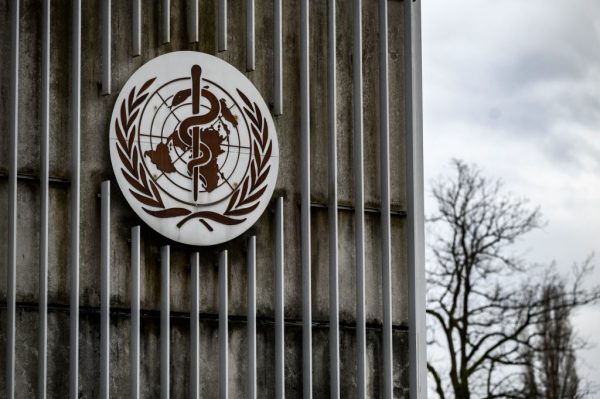
On Jan. 22, the United States officially withdrew from the World Health Organization (WHO). This major diplomatic decision marks a fundamental shift in the long-standing U.S.-WHO relationship and has drawn wide attention in the international community.
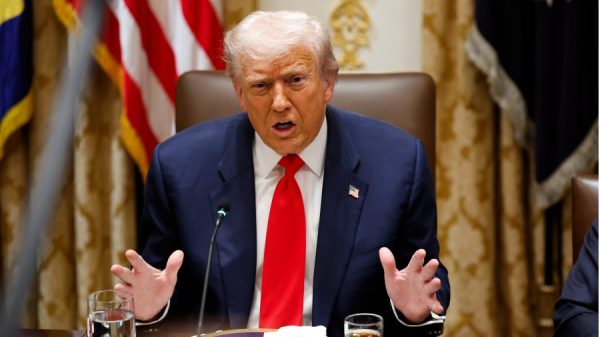
According to WHO regulations, member states must notify the United Nations one year in advance before formally withdrawing. As early as Jan. 20, 2025, U.S. President Donald Trump signed an executive order and simultaneously submitted a formal withdrawal request to the UN. Now, with the one-year period complete, the withdrawal process has officially taken effect.
The U.S. government stated that the decision is based on a long-term assessment of WHO’s governance, financial management, and crisis response capabilities. The U.S. believes that WHO’s lack of coordination and transparency during multiple major public health events caused significant losses for both the U.S. and the global community in responding to pandemics. Accordingly, the Trump administration decided to cease U.S. membership and no longer provide funding or resources.
WHO Director-General Tedros Adhanom Ghebreyesus expressed regret over the decision, warning that it could weaken the global health security system and increase risks for the United States itself, urging the U.S. to reconsider its choice.
Success
You are now signed up for our newsletter
Success
Check your email to complete sign up
US funding for the WHO
The United States has long been one of WHO’s largest donors, providing both assessed contributions (mandatory fees) and voluntary donations. According to official and authoritative statistics:
- In the 2022–2023 biennium, the U.S. contributed approximately $1.28 billion to WHO, including $218 million in assessed contributions, about $1.02 billion in voluntary donations, and roughly $47 million to emergency funds.
- In the 2024–2025 biennium, the U.S. contributed a total of approximately $958.5 million, including about $698 million in voluntary donations and the remainder in assessed contributions and other fees.
Over the past decade, the U.S. has paid an average of $109–122 million annually in assessed contributions, roughly 22 percent of its total membership fees, while voluntary donations ranged from $105 million to $694 million.
Currently, the U.S. still has $260 million in outstanding payments, which the Trump administration has made clear it will not pay.
US criticism of the WHO
The U.S. government has repeatedly criticized WHO’s handling of information and decision-making during the early stages of the COVID-19 pandemic. The U.S. believes that WHO relied too heavily on data and information provided by the Chinese Communist Party (CCP) without sufficient independent verification.
In early January 2020, the CCP publicly emphasized that “no clear evidence of human-to-human transmission” had been found, and WHO repeated this statement without adequate verification, causing the international community to underestimate the pandemic risk.
Additionally, the U.S. pointed out WHO’s slow response in its early warning mechanisms. WHO did not declare COVID-19 a “Public Health Emergency of International Concern” (PHEIC) until Jan. 30, 2020, and only declared it a global pandemic on March 11. The U.S. believes this delay hindered countries’ awareness and response.
Regarding containment policies, the U.S. criticized WHO for opposing early travel restrictions. In late January 2020, the U.S. imposed entry restrictions on travelers from China, while WHO advised against broad travel bans, weakening international consensus on containment measures.
The U.S. was also particularly dissatisfied with WHO’s role in investigating the virus’s origin. The Trump administration emphasized that WHO failed to pressure the CCP and did not send independent experts to investigate in a timely manner. International experts were not allowed into Wuhan until early 2021, more than a year after the initial outbreak. The U.S. argues this delay severely hindered global scientific understanding of the virus’s origin.
The U.S. State Department stressed that these issues were not isolated incidents but reflect long-term structural problems in WHO’s governance, information transparency, and political independence. The decision to withdraw was a policy choice made after years of assessing these structural flaws.