By Gao Yun
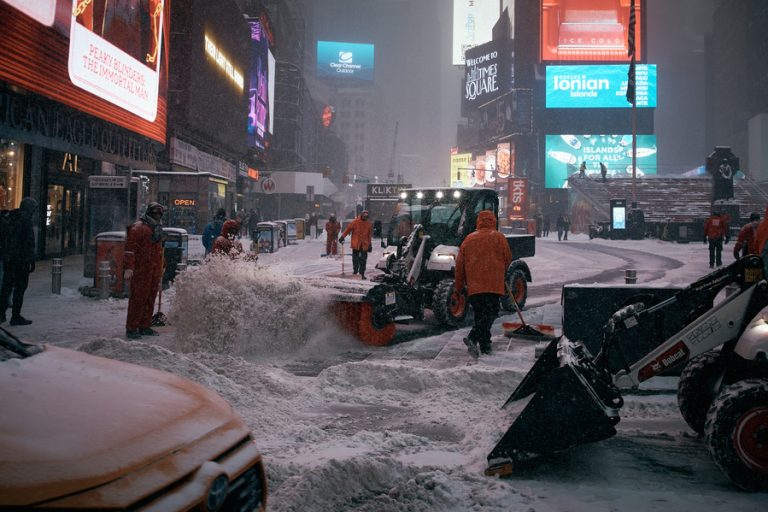
A ferocious winter storm has swept across the United States, grinding transportation to a halt, plunging millions into darkness and cold, and leaving at least 18 people dead. From the Southwest to New England, vast areas of the country are struggling with flight cancellations, frozen highways, collapsed power lines, and life-threatening temperatures, as an Arctic air mass tightens its grip.
Transportation system overwhelmed by snow and ice
According to Reuters, the storm slammed more than 20 states, spanning from New Mexico to New England. Flight-tracking website FlightAware reported that by Monday afternoon (January 26, Eastern Time), roughly 5,300 flights had been canceled and more than 4,300 delayed. The day before, cancellations surged to an extraordinary 12,500 flights—the highest single-day total since the onset of the COVID-19 pandemic in 2020.
American Airlines bore the brunt of the disruption, canceling nearly 900 flights and delaying around 600 on Monday alone. Republic Airways, JetBlue Airways, and Delta Air Lines also reported widespread cancellations. United Airlines said it was cautiously restoring service, though 282 flights were still canceled by Monday morning.
The U.S. Federal Aviation Administration (FAA) warned that snow, freezing rain, and dangerously low visibility sharply restricted airspace in the Boston and New York regions. Major hubs—including LaGuardia, John F. Kennedy International, Philadelphia International, Newark Liberty, and Washington Dulles International—faced the prospect of ground stops, further compounding the nationwide aviation breakdown.
Success
You are now signed up for our newsletter
Success
Check your email to complete sign up
U.S. Transportation Secretary Sean Duffy said authorities hoped airport operations could normalize by Wednesday, weather permitting.
Highways turn hazardous as snowfall mounts
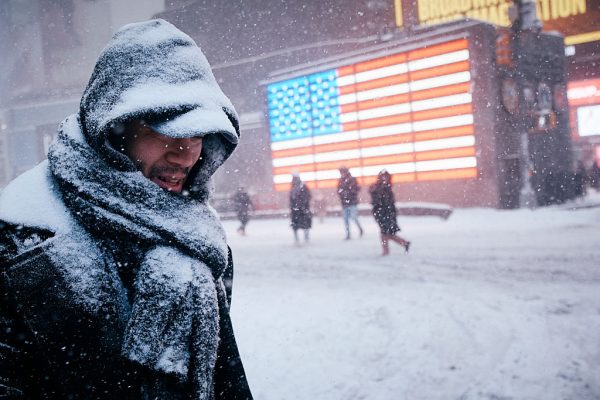
While air travel collapsed, road conditions deteriorated rapidly. The Federal Emergency Management Agency (FEMA) warned that a combination of high winds, ice, and heavy snow rendered driving “extremely dangerous” across multiple regions.
In the Northeast—particularly New York and Massachusetts—as well as southern states including Texas and North Carolina, thick snow and ice coated highways and local roads, triggering frequent crashes and strandings.
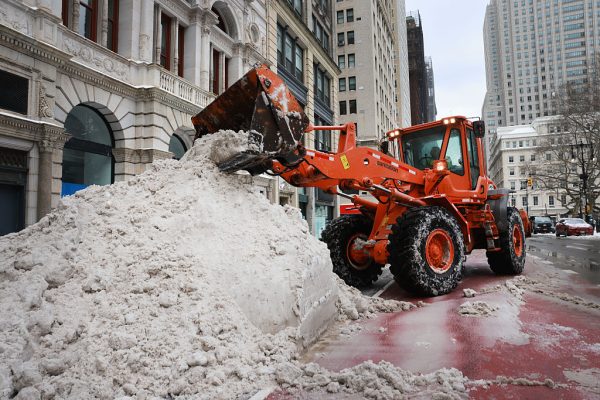
In Tulsa, Oklahoma, a resident drove an old fire truck through snow-choked streets to assist pedestrians trapped by the storm. At Lake Bonito in New Mexico, residents labored through an astonishing 31 inches of snow. New York City’s Central Park recorded 11.4 inches, while snowfall at Boston’s Logan International Airport reached 18.6 inches.
New York Governor Kathy Hochul deployed National Guard units to New York City, Long Island, and the Hudson Valley to support emergency response and rescue efforts.
The severe weather forced widespread school closures, pushing many districts into remote learning. Announcing the shutdown, New York City Mayor Zohran Mamdani attempted levity, remarking, “I know this may disappoint some students—so if you see me out there, feel free to throw a snowball.”
Even amid the danger, pockets of the population sought brief relief from the crisis. In Washington, D.C., residents staged an impromptu snowball fight in Meridian Hill Park, while families crowded the icy slopes of Capitol Hill, underscoring the surreal contrast between recreation and emergency.
Power grid strained, logistics disrupted nationwide
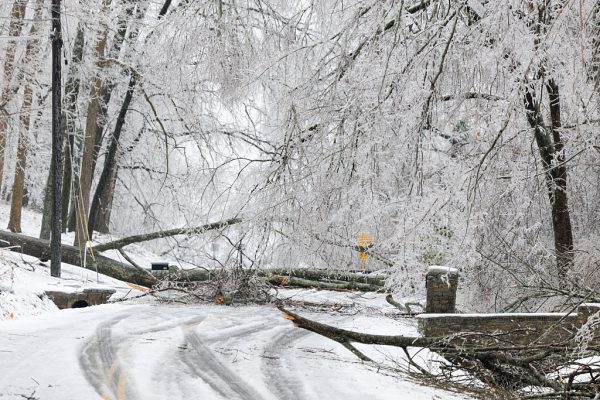
The storm placed enormous stress on the U.S. power grid. According to PowerOutage.us, more than 820,000 customers were without electricity by early Monday morning, with outages concentrated in Tennessee and the Carolinas. Tennessee alone reported approximately 246,000 customers in the dark. Heavy snow and ice snapped tree limbs and power lines, causing cascading failures across utility networks.
Hotel booking platform HotelPlanner reported a 36 percent surge in hotel cancellations across the United States and Canada in the lead-up to and during the arrival of Storm Fern.
Logistics networks were also hit hard. UPS said severe weather disrupted service in several regions, particularly at its critical Louisville, Kentucky air hub. Major freight rail operators CSX and BNSF activated emergency response plans to reduce supply-chain bottlenecks as snow and ice interfered with operations.
Death toll rises as the south faces rare ice storm conditions
Authorities confirmed at least 18 deaths linked to the storm. In Frisco, Texas, a 16-year-old girl was killed in a sledding accident. A teenage boy in Arkansas died in an all-terrain vehicle (ATV) crash. Three people in Pennsylvania lost their lives while shoveling snow. In Austin, a man was found dead from suspected hypothermia inside an abandoned gas station. New York City reported five deaths tied directly to exposure to extreme cold.
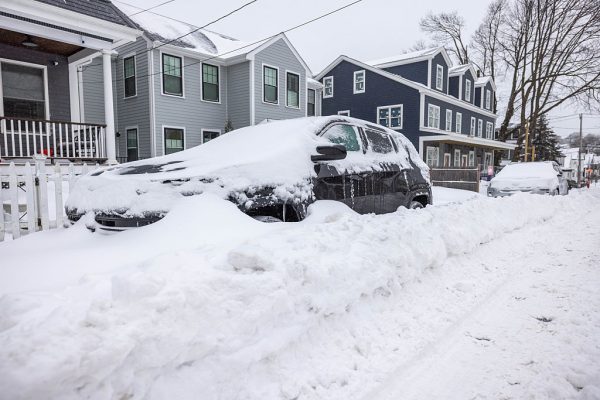
Officials warned that parts of the southern United States—unaccustomed to prolonged winter storms—were coated with up to one inch of ice, crushing trees and power lines and sharply escalating risks. At least 25 state governors declared states of emergency as conditions worsened.
Arctic cold wave set to persist into early February
The U.S. National Weather Service said that although the storm system itself is moving eastward, a powerful Arctic air mass is pouring south in its wake, stretching from Canada to the Gulf of Mexico and locking much of the country into prolonged subfreezing temperatures.
“The most serious threat now is the extreme cold,” said Allison Santorelli of the Weather Prediction Center. “And this is not a short-lived event—it will persist into early February.”
Roughly 200 million people, from the Canadian border to the Gulf Coast, are under some form of extreme cold alert. Temperatures in Lubbock, Texas, plunged to minus 4 degrees Fahrenheit (–20°C), while New York, Washington, and Boston are forecast to endure sustained single-digit temperatures throughout the coming week.
AccuWeather estimates the storm’s direct and indirect economic damage at between $105 billion and $115 billion, potentially ranking it among the costliest extreme weather events in recent U.S. history, rivaling losses from major wildfires in the Los Angeles region.