By Gao Yun
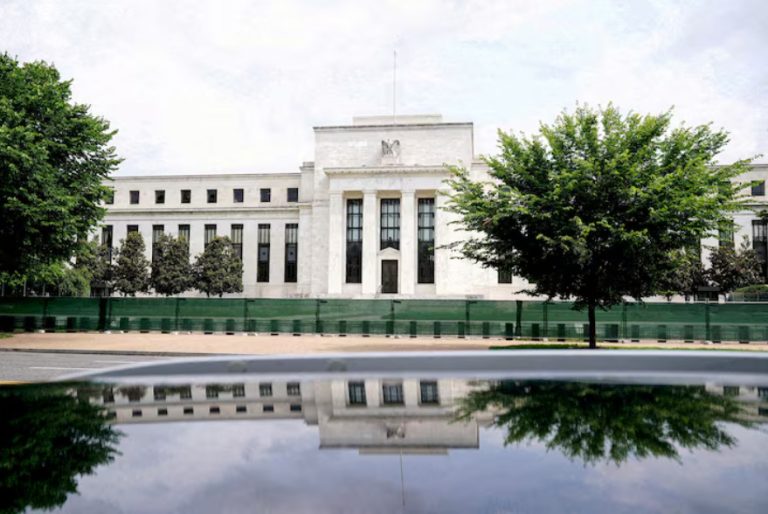
The Federal Reserve announced on Wednesday, Jan. 28 that it would keep the benchmark interest rate unchanged at 3.50–3.75 percent, citing persistently high inflation and steady economic growth. In its latest policy statement, the Fed did not specify when it might lower borrowing costs again.
According to Reuters, after a two-day monetary policy meeting, the Fed decided to maintain the current rate range with a vote of 10 in favor and 2 against. The statement noted: “Economic activity has continued to expand at a solid pace.”
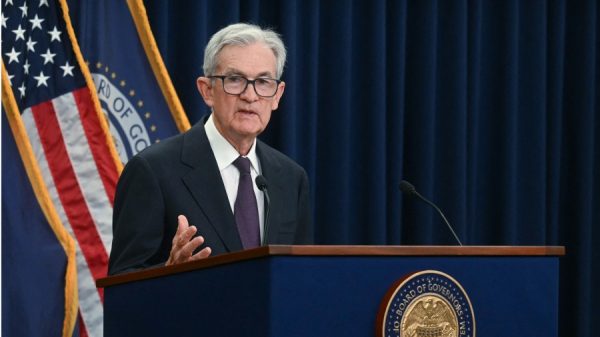
Fed Governors Christopher Waller and Stephen Miran cast dissenting votes, advocating a 25-basis-point rate cut. Both are considered potential successors to current Chair Jerome Powell when his term ends in May.
The Federal Open Market Committee (FOMC) did not provide a specific timeline for the next rate cut in its statement, emphasizing that any future adjustments would depend on economic data and outlook assessments.
Success
You are now signed up for our newsletter
Success
Check your email to complete sign up
The statement noted that inflation remains elevated, while the labor market has shown some signs of stability. Although the FOMC acknowledged that job growth remains somewhat subdued, it removed the previous language about “rising downside risks to employment,” signaling that officials’ concerns over labor market deterioration have eased.
Before the meeting, the Fed generally regarded the labor market as roughly balanced. Influenced by the Trump administration’s tighter immigration policies, U.S. labor force growth has slowed, and the modest increase in jobs aligns with this trend. In December 2025, the U.S. unemployment rate fell to 4.4 percent.
Cautious market reaction; June could be a key window
Following the policy statement, major U.S. stock indices dipped slightly. The 10-year Treasury yield rose to about 4.26 percent, while the 2-year Treasury yield edged up to 3.59 percent. Futures markets indicate that investors are beginning to expect the Fed to launch a new round of rate cuts at the policy meeting scheduled for June 16–17.
Omair Sharif, president of Inflation Insights, said: “The FOMC statement is noticeably more optimistic about the labor market, and it reflects the committee’s shift in assessing economic risks—from ‘downside risks exist’ in December last year to ‘roughly balanced.’”
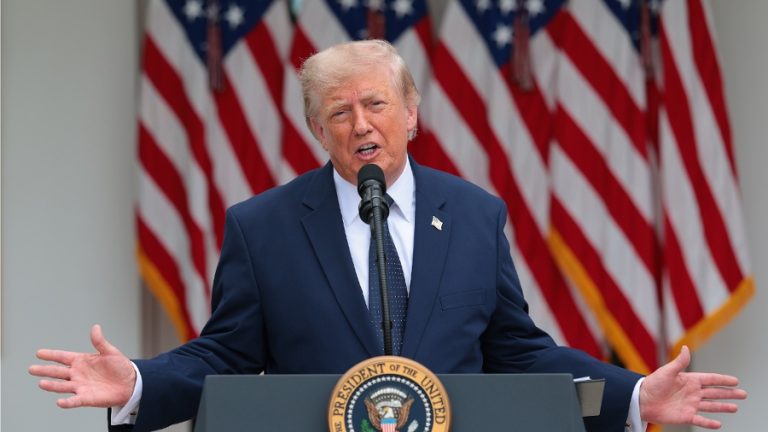
President Trump is expected to announce Powell’s successor soon. The new chair will preside over the June policy meeting, and the market generally expects the Fed to maintain current rates until then.
According to CNBC, with many U.S. households feeling pressure from living costs, the Fed’s decision to hold steady means consumers may still need to wait before seeing lower borrowing costs, particularly for certain types of loans.
Overall, short-term loan rates, such as credit cards, are closely linked to the Fed’s benchmark rate, while long-term loan rates, like mortgages, are more influenced by inflation and other macroeconomic factors.