By Li Muzi
China’s psychiatric hospital system has been shaken by an undercover investigation revealing that multiple facilities in Hubei Province admitted healthy individuals as psychiatric patients, fabricated diagnoses, and defrauded the state medical insurance system. The report, published by The Beijing News, has triggered widespread public outrage and renewed concerns over the long-standing abuse of psychiatric institutions.
Healthy individuals turned into ‘psychiatric patients’
According to The Beijing News, in December 2025, an investigative reporter posed as a nursing aide and infiltrated psychiatric hospitals in Xiangyang and Yichang, including Xiangyang Hong’an Psychiatric Hospital and Yiling Kangning Psychiatric Hospital in Yichang.
Inside the wards, many inpatients showed no visible signs of mental illness. Some were elderly individuals, and medical staff openly acknowledged that certain patients were admitted simply “for elderly care.” In some cases, hospital employees such as caregivers and security guards themselves completed admission procedures and became registered “psychiatric patients.”
Doctors at several hospitals admitted that healthy individuals could be hospitalized with fabricated mental illness diagnoses. In Yichang, hospitals reportedly arranged “fake discharges” for patients to evade inspections by medical insurance authorities, only to readmit them afterward.
Success
You are now signed up for our newsletter
Success
Check your email to complete sign up
Once admitted, patients became what staff described as “cash cows.” Hospitals allegedly used their inpatient records to invent treatment programs and bill the national health insurance system. The longer patients stayed and the more patients admitted, the higher the hospital’s revenue.
To maximize profits, hospitals not only recruited more inpatients but also deliberately obstructed discharges. Many patients who had already recovered were forced to remain hospitalized for years. During the investigation, the reporter repeatedly witnessed medical staff slapping patients, kicking them, and even beating them with hoses.

‘Free hospitalization’ with minimal living costs
On Dec. 30, 2025, posing as a patient’s family member, the reporter visited Xiangyang Yangyiguang Psychiatric Hospital. After learning the purpose of the visit, the hospital’s director, surnamed Yang, warmly reassured the reporter that medical fees would be completely waived.
“We don’t charge a single cent for medical treatment,” Yang said. “Living expenses are currently 15 yuan a day, and we can make it even cheaper.”
Yang showed little interest in the patient’s condition and instead encouraged long-term hospitalization. “Many patients stay here for years,” he said. “Some don’t even go home for the holidays.”
Other hospitals made similar promises. The reporter contacted more than ten psychiatric hospitals in Xiangyang, all of which offered free medical treatment, requiring families to pay only minimal living expenses or an initial admission fee.
Three hospitals explicitly stated that neither medical nor living expenses were required. The only condition was that patients remain hospitalized for an extended period. “No money needed,” staff said. “Just stay at least three months. You can stay as long as you want.”

Fabricated treatments used to siphon insurance funds
Hospitals were able to offer “free hospitalization” by billing large amounts of fabricated treatment fees to the medical insurance system. At Xiangyang Hong’an Hospital, one patient’s 90-day hospitalization cost totaled 12,426 yuan, but only about 500 yuan was spent on medication. More than 6,000 yuan was billed as treatment fees for services—including psychotherapy and behavioral correction—that the patient said were never provided.
Medical staff admitted they routinely fabricated treatment expenses. One caregiver said hospitals typically billed around 130 yuan per patient per day, or roughly 4,000 yuan per month.
A former hospital caregiver explained that this was standard practice across several facilities. “One patient brings in about 5,000 yuan a month,” he said. “That’s 60,000 yuan a year. With 100 patients, that’s 6 million yuan. The investment is paid back in a year.”
Competition among psychiatric hospitals intensified the practice. Staff members who referred new patients reportedly received commissions. One medical worker said the referral bonus was 400 yuan per patient, while another hospital paid 1,000 yuan per referral.
Abuse, confinement, and deaths inside hospitals
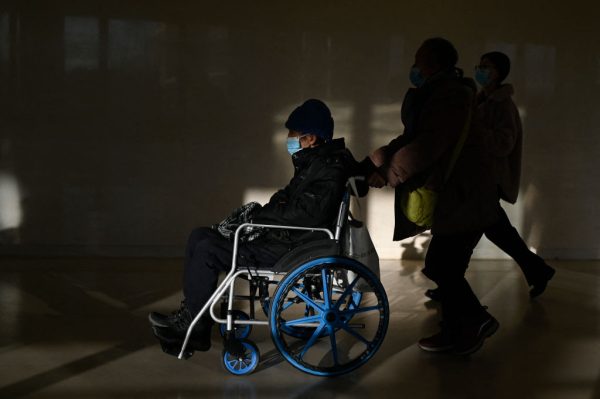
Multiple patients described routine abuse by staff. At Xiangyang Hong’an Hospital, the sole male caregiver in the men’s ward frequently beat patients. He openly admitted it to the reporter: “If they don’t listen, of course I’ll hit them.”
At Yiling Kangning Psychiatric Hospital, a manager surnamed Zhou was seen slapping a patient and forcibly restraining him on a chair. Another patient was tied to a bed for days. “Some were restrained for three days and three nights,” a patient said.
Patients said long-term confinement was common. Some had been hospitalized for eight or nine years. “They make up all kinds of excuses to refuse discharge,” one patient said. A man hospitalized for five years described the experience as imprisonment: “It’s like serving a five-year sentence.”
Several elderly patients reportedly died in the hospital. One patient said more than ten deaths had occurred during his five years of confinement. In June 2025, a patient at Yiling Kangning Hospital died by suicide. Although staff avoided discussing the incident, patients confirmed the details. “There is no personal freedom,” one said. “Some people can’t endure it and choose death.”
Authorities respond amid public outrage
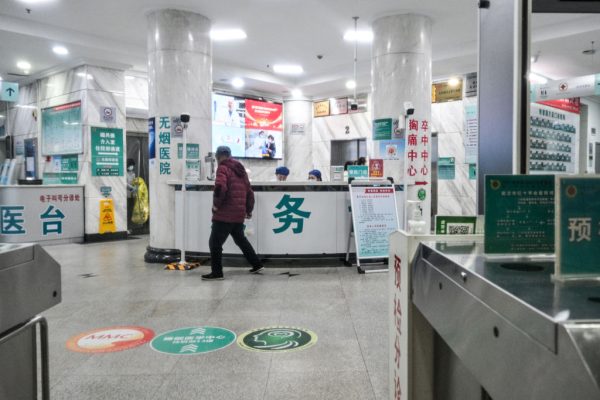
On Feb. 4, Hubei Province announced the formation of a joint investigation team composed of the provincial discipline inspection commission, health authorities, police, and medical insurance regulators. The team has been dispatched to Xiangyang and Yichang to investigate alleged illegal admissions and insurance fraud.
Notably, extensive reporting by domestic and overseas media has documented psychiatric hospitals being used to detain petitioners, rights defenders, and dissidents despite having no mental illness. Official Chinese media reports, however, avoided addressing these human rights concerns.
The revelations triggered a wave of public anger online. Chinese netizens questioned regulatory oversight, the ease of falsifying psychiatric diagnoses, and whether authorities were complicit.
“Who supervises fake medical records?” one user asked. “Why is medical insurance responsible for what doctors fabricate?” Another wrote, “If psychiatric diagnoses are so easy to fake, how many violent criminals escape punishment with a mental evaluation?”
Others shared similar experiences, claiming the same model exists in elder care facilities and warning that persistent petitioners risk being forcibly labeled mentally ill.
On social media platform X, overseas Chinese users reacted sharply. “Many of those detained are petitioners,” one wrote. Another said psychiatric hospitals function as “a tacitly approved tool for stability maintenance.” Some described China as “a giant asylum, prison, and human rights abyss.”